How Septic Services Keep Your System Running Safely and Efficiently
A properly functioning septic system plays a critical role in protecting household health, environmental safety, and long-term property value. While many homeowners rarely think about what happens after wastewater leaves the home, the performance of a septic system depends on consistent oversight and professional care. Without routine attention, minor issues can escalate into costly repairs, unpleasant odors, or even groundwater contamination. Septic services help ensure that waste is processed effectively, components remain in good condition, and potential problems are identified early. By combining regular maintenance with professional expertise, homeowners can keep their systems operating reliably while avoiding disruptions that affect daily life and surrounding ecosystems.
Supporting Proper Wastewater Flow and Treatment
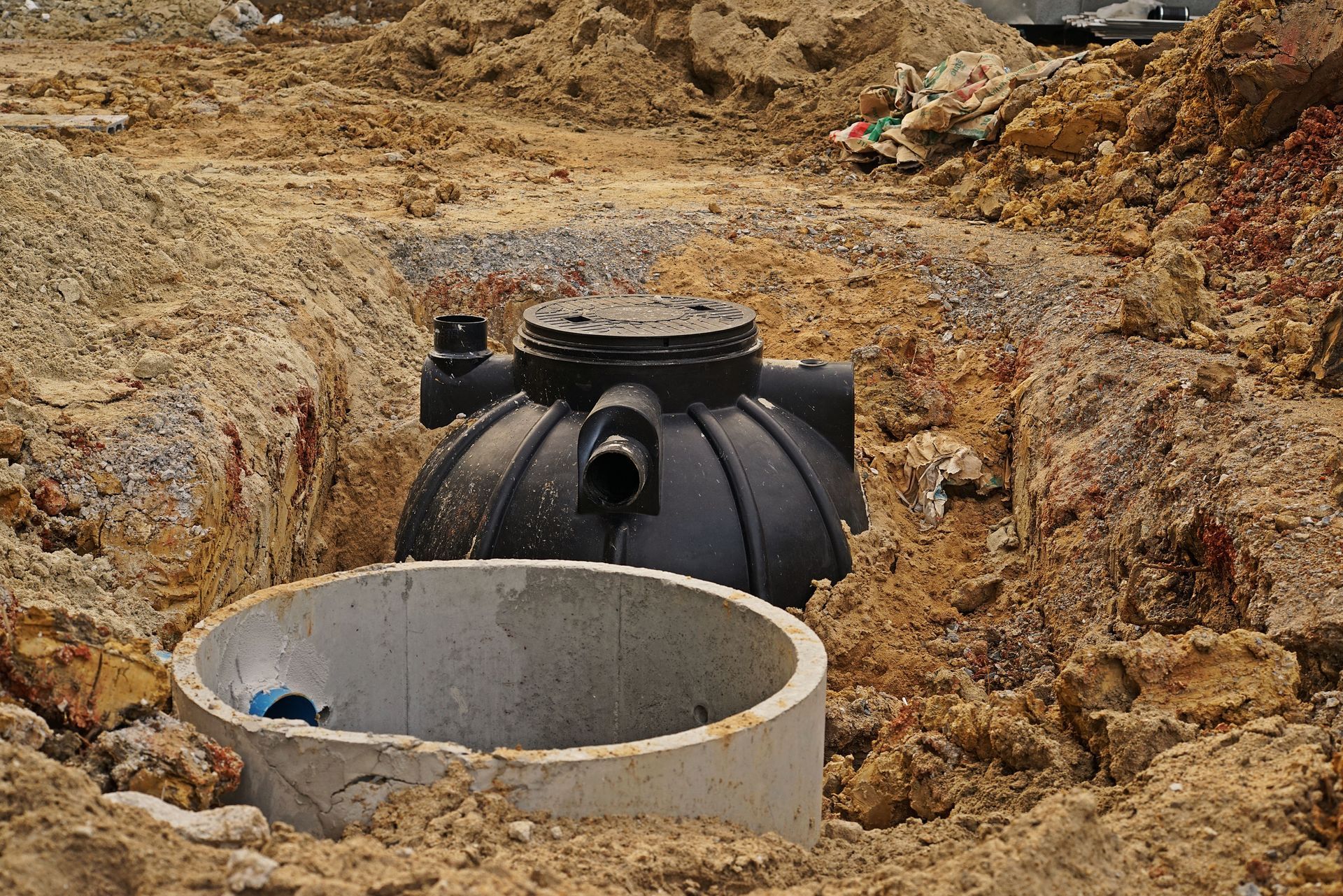
A septic system relies on a delicate balance of biological and mechanical processes to treat wastewater safely. As water flows from sinks, toilets, and appliances into the system, solids settle in the tank while liquids move through filtration and absorption areas. Naturally occurring bacteria within the tank break down organic material, helping reduce the volume of waste before it moves further into the system. When this balance is disrupted by excessive buildup, improper waste disposal, or neglected maintenance, the system may struggle to process wastewater effectively, leading to slower drainage, odors, or backups. Septic services help maintain proper flow by removing accumulated solids and inspecting internal components that guide wastewater movement.
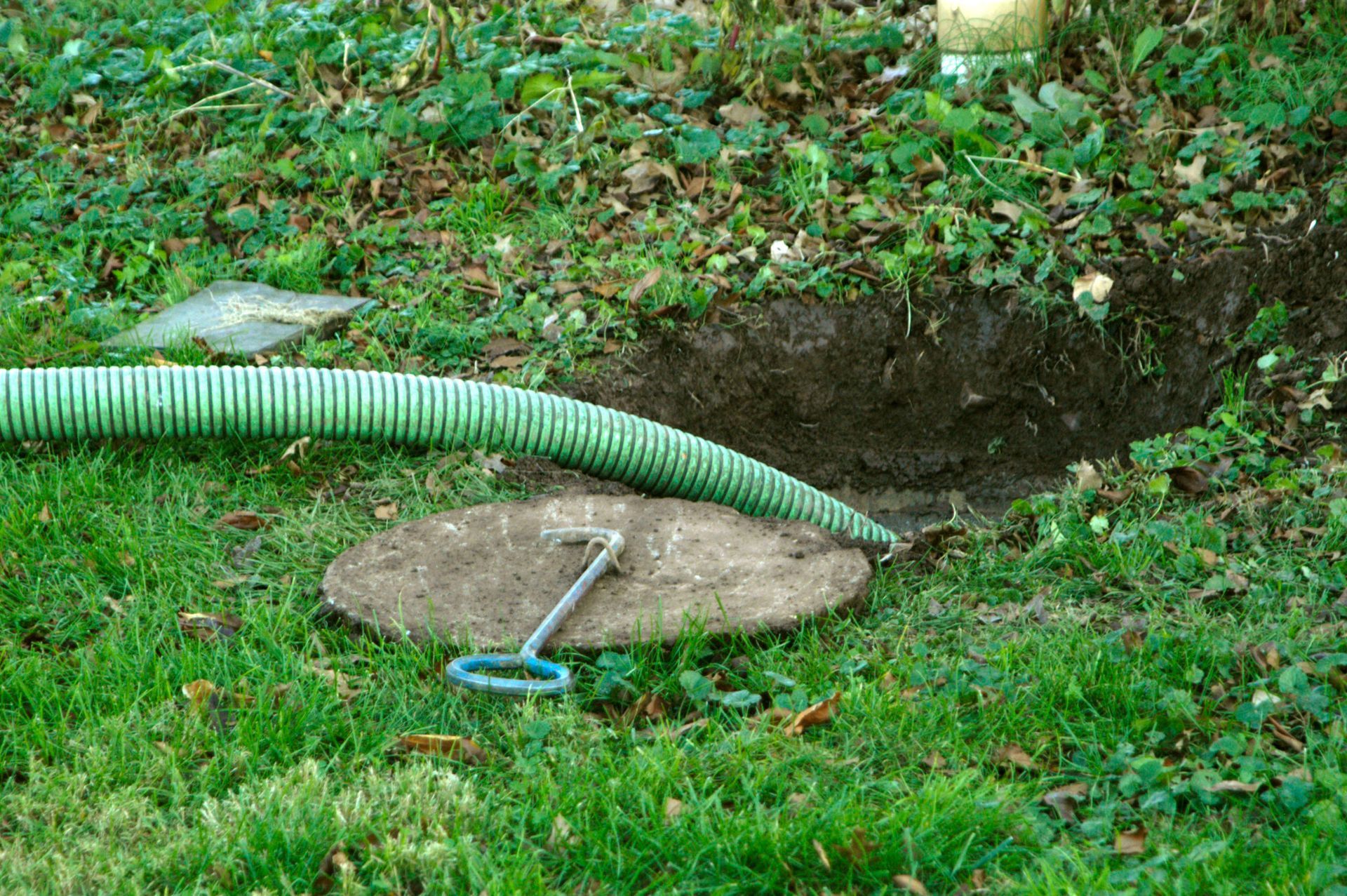
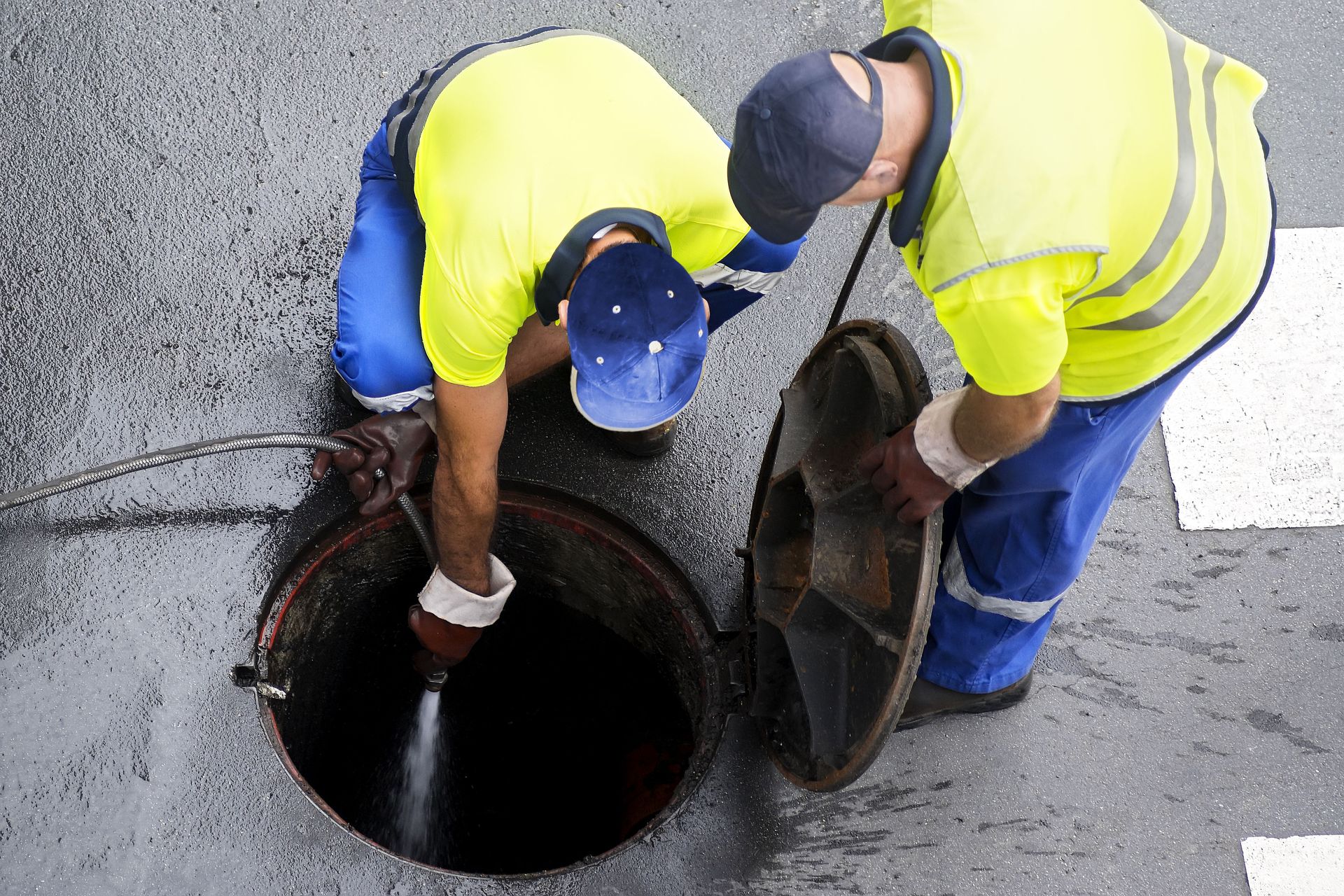
Routine pumping prevents sludge and scum from overflowing into the drain field, where clogs and saturation can cause backups or surface pooling that damage soil structure. Technicians also check inlet and outlet baffles, which regulate how wastewater enters and exits the tank and prevent solid material from escaping into downstream components. In addition, professionals may assess tank walls for cracks, monitor liquid levels, and evaluate signs of hydraulic overload caused by excessive water use. When specialists analyze flow patterns and internal conditions, they can identify inefficiencies or early warning signs that may not be obvious to homeowners. Over time, consistent care allows the system to adapt to daily household demands without strain, reducing the likelihood of unexpected failures and supporting long-term system reliability.
Protecting Groundwater and Environmental Health
One of the most important functions of a septic system is safeguarding groundwater quality. When systems are neglected, untreated or partially treated wastewater can seep into surrounding soil and water sources. This contamination may introduce harmful bacteria, nitrates, and pathogens into wells, streams, and nearby ecosystems, creating long-term environmental and health risks. Groundwater pollution is particularly concerning because it is often difficult to detect until contamination has already spread. Septic services play a vital role in preventing these risks by ensuring that treatment processes work effectively and that waste remains contained within designated areas designed to naturally filter and neutralize contaminants.
Environmental protection agencies emphasize the scale of wastewater management handled by septic systems nationwide. According to the Environmental Protection Agency, over four billion gallons of wastewater are released beneath the ground’s surface each day. This statistic highlights the importance of proper system operation, as even small failures can have widespread environmental consequences when multiplied across thousands of properties. Professional inspections evaluate soil absorption capacity, drain field condition, and signs of leakage that may threaten nearby water sources. Technicians also assess whether soil compaction, erosion, or excessive moisture is reducing the land’s ability to safely filter wastewater. By identifying these vulnerabilities early, septic services help prevent pollutants from migrating into groundwater supplies. Addressing issues promptly supports long-term environmental stability while protecting drinking water, wildlife habitats, and the overall health of surrounding communities.
Preventing Costly Repairs and System Failures
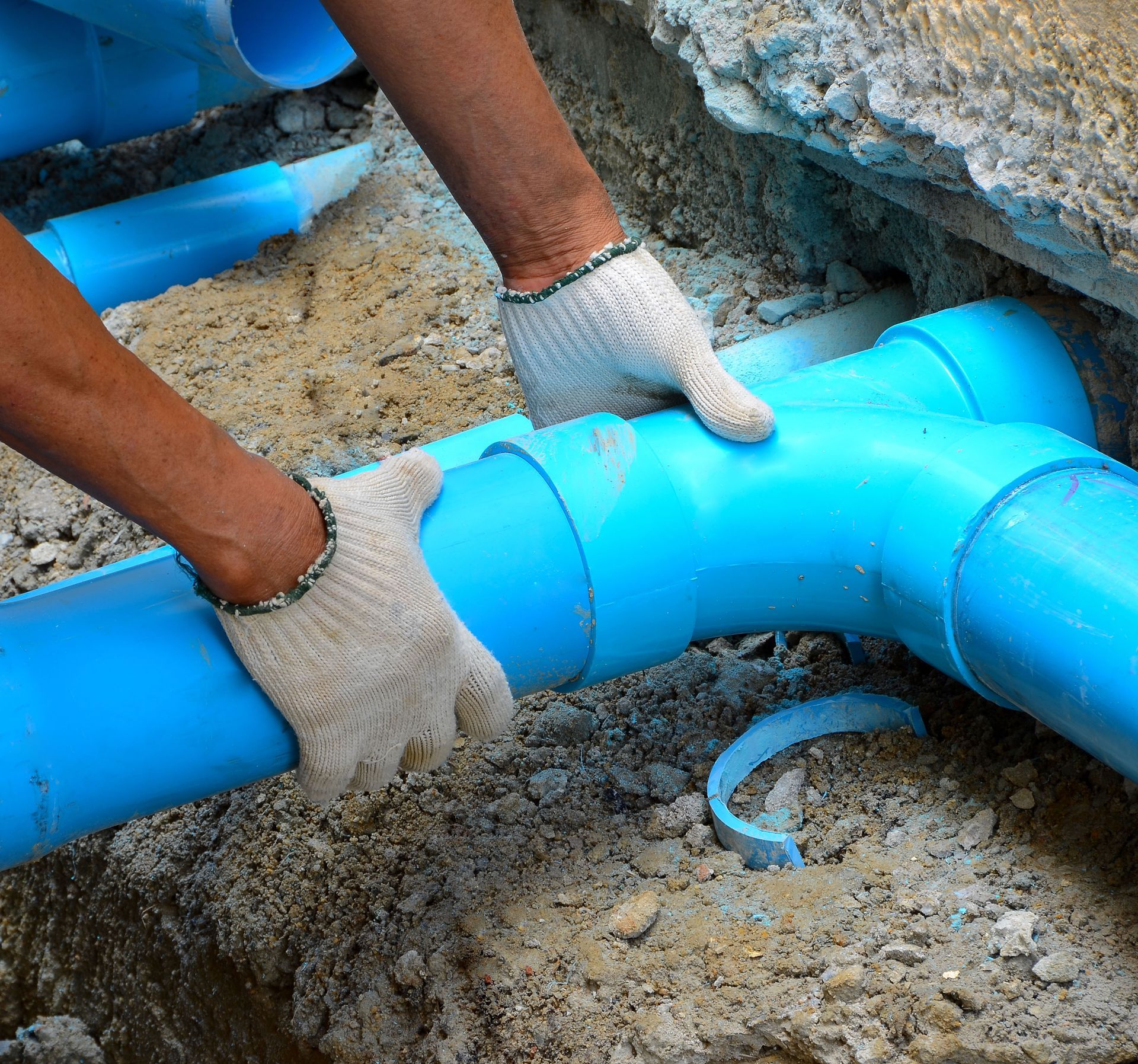
Unexpected septic system failures often result from years of unnoticed wear or neglected maintenance that gradually weaken system components. Cracked tanks, collapsed pipes, and failing drain fields can require extensive repairs that disrupt property use and strain household budgets. These failures rarely occur without warning; instead, they develop slowly as materials deteriorate, soil conditions shift, or waste accumulates beyond safe levels. Septic services help prevent these scenarios by identifying early warning signs before they develop into major problems. Routine evaluations allow technicians to spot corrosion, root intrusion, soil saturation, or structural weaknesses that may compromise system integrity long before visible symptoms appear.
Preventive maintenance is often far more cost-effective than emergency repairs because it reduces the likelihood of large-scale damage. Regular pumping and inspections reduce strain on system components, allowing them to function efficiently for decades rather than failing prematurely. Technicians may also evaluate how household habits affect system health, such as excessive water use, improper disposal of grease or non-biodegradable items, or heavy vehicle traffic near the drain field. Professionals can provide guidance on water usage habits, waste disposal practices, and landscaping considerations that affect long-term performance. By investing in consistent care, homeowners reduce the likelihood of sudden breakdowns that require excavation or full system replacement. This proactive approach not only saves money but also minimizes inconvenience, preserves property value, and helps protect surrounding soil and water resources from damage caused by system failures.
Promoting Safe Household and Community Health
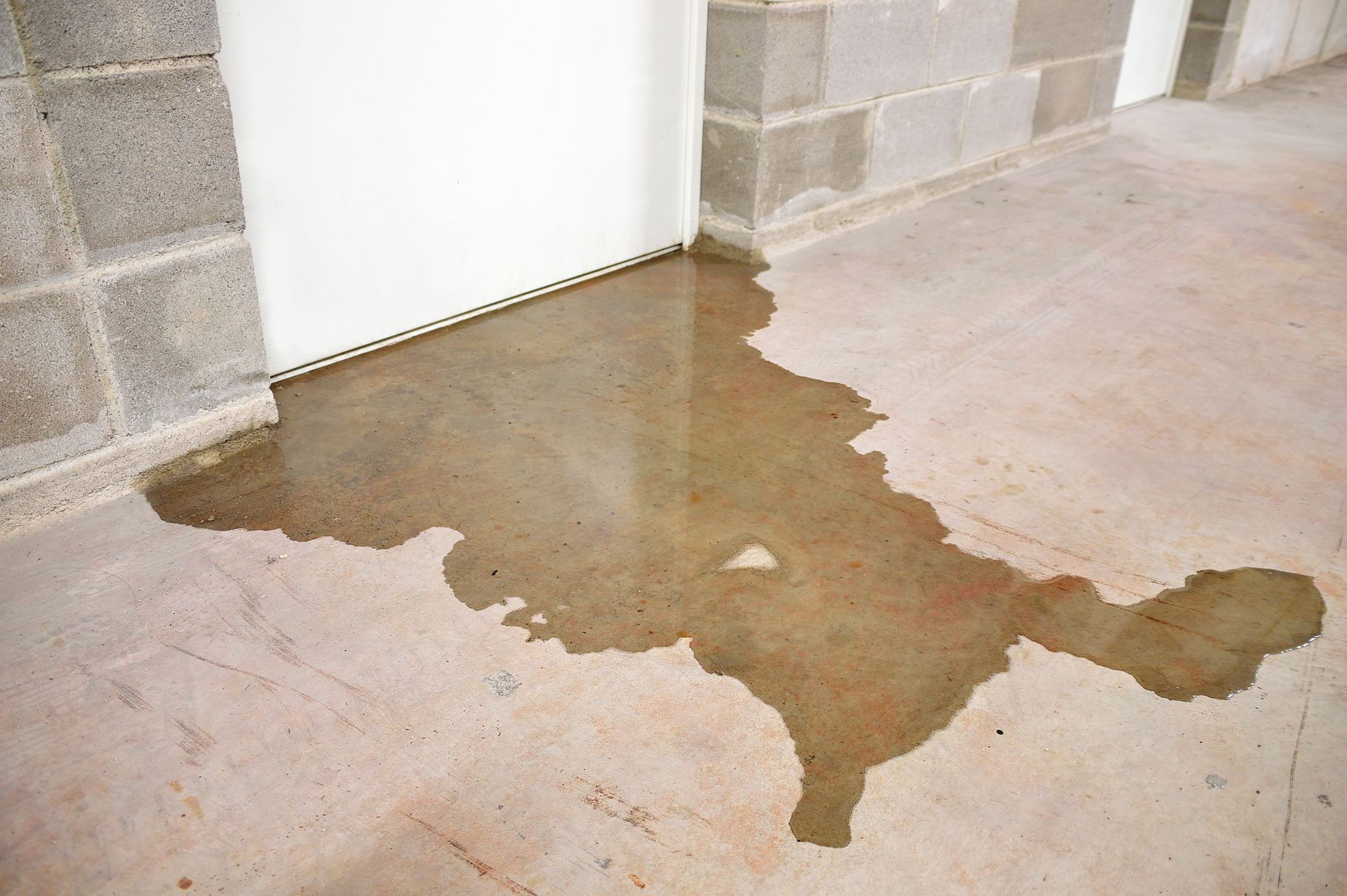
A failing septic system can pose serious health risks to both households and nearby communities. Backups into sinks or toilets expose residents to bacteria, viruses, and harmful gases, while surface pooling of wastewater creates unsanitary conditions in yards and shared outdoor spaces. These situations increase the likelihood of direct contact with pathogens that can cause gastrointestinal illnesses, skin infections, or respiratory issues. Septic services help maintain a safe living environment by ensuring that waste is treated, contained, and dispersed properly within the system. Through routine maintenance, professionals reduce the risk of exposure to contaminants that threaten household safety and overall well-being.
In addition to protecting individual homes, well-maintained systems contribute to broader community health by limiting the spread of pollutants beyond property boundaries. When multiple systems in a neighborhood are neglected, the cumulative impact can strain local groundwater supplies, contaminate shared wells, and increase environmental health risks for entire communities. Septic services support public health efforts by ensuring that each system operates responsibly within its surrounding environment.
Technicians also educate homeowners on best practices, such as avoiding harsh chemicals, managing water usage, and preventing improper waste disposal, all of which can disrupt bacterial balance and reduce treatment effectiveness. By encouraging informed ownership and consistent maintenance, septic services help reduce preventable health hazards, promote cleaner surroundings, and support safer living conditions for families and neighbors alike.
Extending System Lifespan Through Ongoing Care
Septic systems are designed to last for many years, but their longevity depends heavily on proper maintenance. Without routine attention, even well-installed systems may experience premature wear or failure. Septic services contribute to long-term performance by addressing minor issues before they escalate and by ensuring that each component functions efficiently. Regular pumping schedules prevent excessive buildup, while inspections verify that tanks, pipes, and drain fields remain in good condition.
Ongoing care also allows homeowners to adapt maintenance plans to changing household needs. Increases in water usage, home expansions, or changes in occupancy can place additional demands on a system. Professionals assess these factors and recommend adjustments that support continued efficiency. By combining routine maintenance with expert guidance, homeowners can maximize system lifespan while avoiding disruptions that interfere with daily routines. Over time, consistent septic services provide peace of mind, knowing that the system is operating safely, efficiently, and in harmony with its surrounding environment. Call Reliable Septic & Services today to schedule your septic service


Share On: