How to Choose the Right Septic System Cleaner for Your Tank Size and Soil Type
Maintaining a septic system requires more than occasional attention because tank capacity, household usage, and surrounding soil conditions all influence how well the system operates. Choosing the right septic system cleaner begins with understanding how wastewater moves through the tank, how solids accumulate, and how the drain field absorbs treated effluent. Products marketed for septic maintenance can vary considerably in their ingredients, intended purposes, and potential effects on the system's natural biological processes. Homeowners should therefore evaluate their property's needs before introducing chemicals or additives into the tank. A product that is unsuitable for a particular system may provide little benefit or interfere with processes that help break down waste. Professional inspections and routine pumping remain essential parts of responsible septic maintenance.
Understanding Tank Size and Household Wastewater Needs
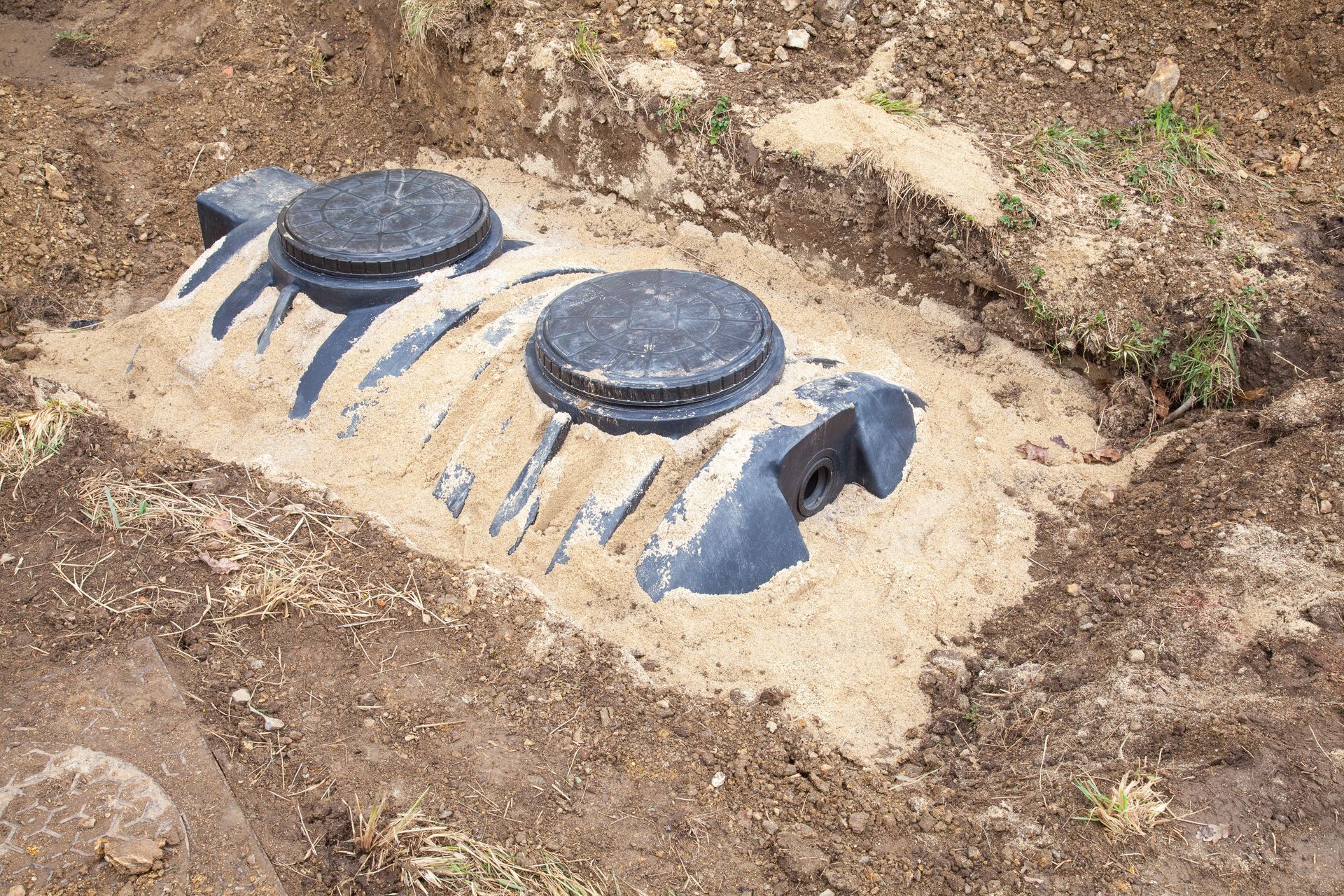
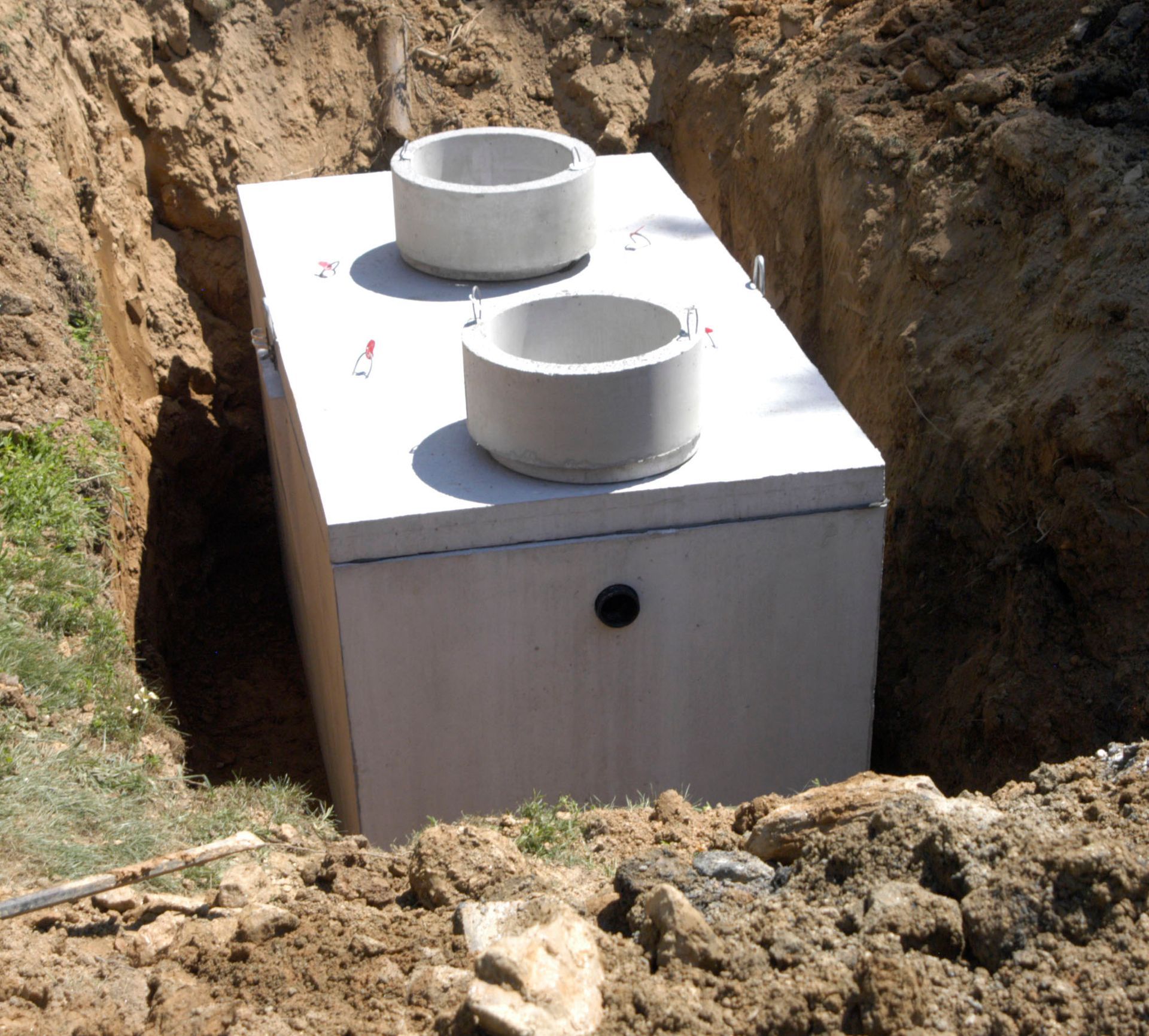
Septic tank size determines how much wastewater the system can hold while allowing solids to settle and natural treatment processes to occur. Larger households often generate more wastewater because of frequent laundry, bathing, cooking, and toilet use. Smaller tanks serving busy households may accumulate solids more quickly and require closer attention to maintenance schedules. Before selecting a septic system cleaner, homeowners should identify their tank's capacity and understand how the system is designed to operate. However, tank size alone does not determine whether a cleaning product is appropriate or necessary. Some products are intended to support biological activity, while others claim to address specific maintenance concerns that may require professional evaluation instead. A qualified septic service provider can review the tank's condition and explain whether any additional treatment is appropriate. Understanding the relationship between capacity and household usage helps homeowners avoid relying on products as substitutes for essential maintenance.
Evaluating Soil Type and Drain Field Conditions
The soil surrounding a septic drain field plays an important role in absorbing and treating wastewater released from the tank. Sandy soils generally allow water to move more quickly, while clay-rich soils tend to drain more slowly and may become saturated under unfavorable conditions. Loamy soils can provide a balance of drainage and filtration, although performance also depends on soil depth, structure, groundwater levels, and the system's design. When choosing a septic system cleaner, homeowners should recognize that a product introduced into the tank does not correct unsuitable soil conditions. Drainage problems may result from excessive water use, compacted soil, high groundwater, or a failing drain field. Adding chemicals to address these symptoms can delay the identification of the underlying problem. Professional assessments can help determine whether the issue originates in the tank, the plumbing, or the surrounding soil. Understanding local soil conditions supports better maintenance decisions and helps homeowners recognize when professional repairs may be necessary.
Comparing Biological Cleaners and Chemical Additives
Septic maintenance products are often marketed as biological treatments, enzyme-based cleaners, or chemical additives, but these categories serve different purposes. Biological products may contain microorganisms intended to support the breakdown of organic material, while enzyme-based products are designed to act on particular types of waste. Chemical additives can contain ingredients that affect odors, dissolve certain materials, or claim to improve system performance. Before purchasing a septic system cleaner, homeowners should examine the label, intended use, and available evidence supporting its claims. A product that promises rapid results does not necessarily provide a meaningful benefit to a properly functioning septic system. Some harsh chemicals can disrupt the microbial processes that contribute to wastewater treatment or harm components of the system. The U.S. Environmental Protection Agency generally recommends avoiding septic additives because routine use is usually unnecessary and some products may cause problems. Consulting a qualified professional is preferable to experimenting with multiple treatments when a system develops an odor, backup, or drainage issue.
Matching Maintenance Products to System Requirements
Different septic systems may have specific maintenance considerations depending on their age, design, materials, and wastewater treatment method. Conventional systems commonly rely on a septic tank and soil-based drain field, while alternative systems may incorporate additional treatment equipment or specialized components. Homeowners should review available system documentation before introducing products that could affect its operation. A septic system cleaner should never be selected solely because it advertises compatibility with all tank sizes and soil conditions. Instead, property owners should verify whether the product is suitable for their particular system and whether its use is recommended by the manufacturer or a qualified service professional. This precaution is especially important for systems with pumps, filters, or advanced treatment components. If the tank is functioning normally, adding a treatment product may not be necessary at all. Understanding the system's design helps homeowners focus on maintenance measures that address actual needs rather than relying on generalized product claims.
Recognizing Warning Signs That Require Professional Attention
Septic systems often provide warning signs when maintenance or repairs are needed. Slow drains, recurring plumbing backups, sewage odors, unusually wet areas near the drain field, and standing wastewater can indicate developing problems. These symptoms may result from excessive solids, blocked pipes, a full tank, or a drain field that cannot absorb wastewater properly. Introducing a septic system cleaner without identifying the cause may not resolve the issue and could delay necessary repairs. Homeowners should arrange a professional inspection when warning signs persist or when wastewater begins backing up into the house. Sewage exposure can create health hazards, so affected areas should be avoided and handled appropriately. A technician can inspect the system, evaluate sludge and scum levels, and determine whether pumping, cleaning, repairs, or further testing is required. Recognizing these warning signs early helps property owners respond appropriately before a minor concern develops into a more disruptive failure.
Following a Reliable Pumping and Cleaning Schedule
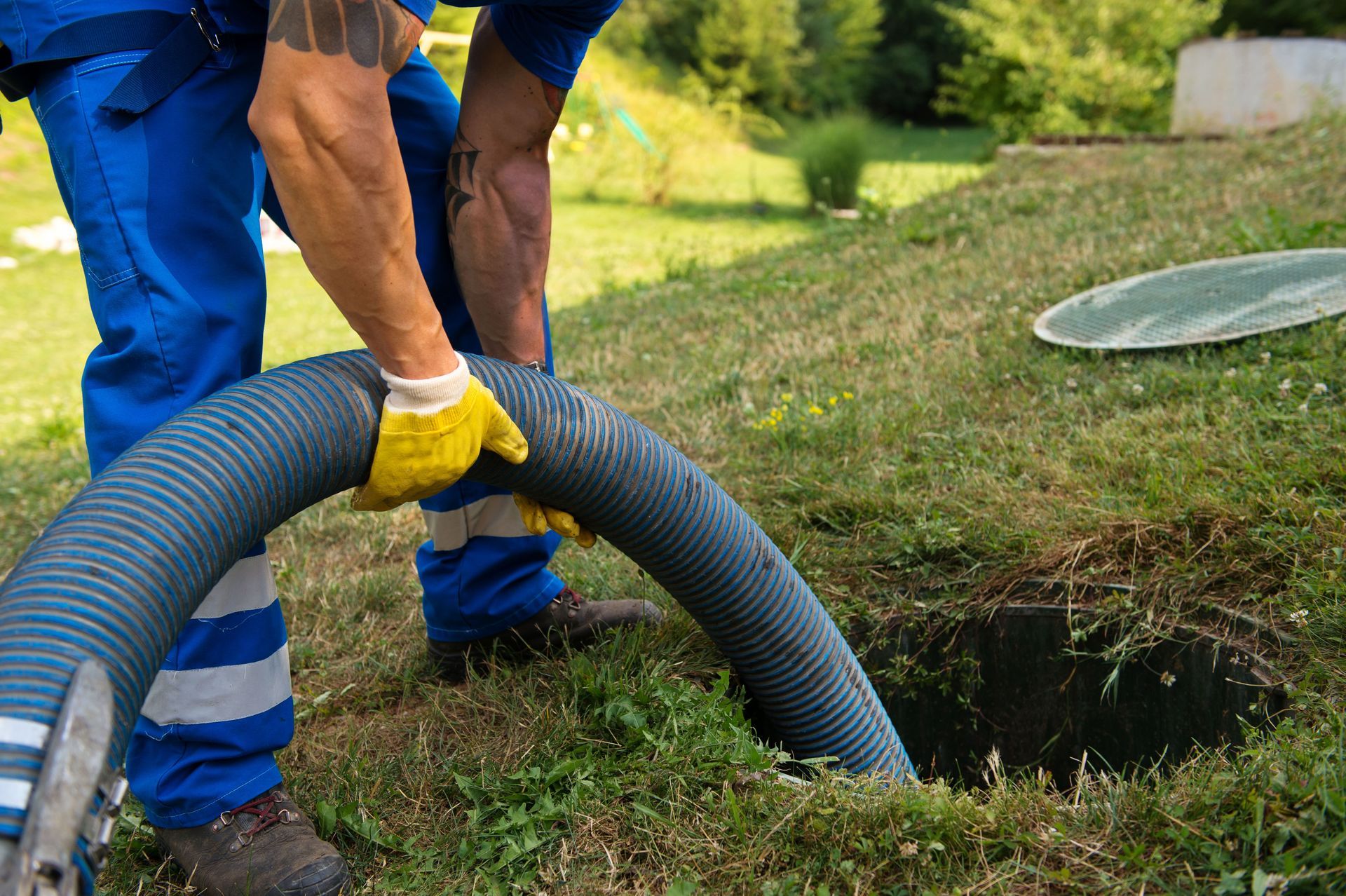
Regular pumping removes accumulated sludge and scum that cannot be eliminated simply by adding a treatment product. The appropriate schedule depends on tank capacity, household size, wastewater volume, and the amount of solids entering the system. According to the U.S. Environmental Protection Agency's SepticSmart Program data for 2025, an estimated 10–20% of septic systems in the U.S. show signs of malfunction, with improper chemical use, excessive dependence on commercial additives, and missed professional pumping or cleaning contributing to maintenance concerns. This underscores the importance of relying on appropriate care rather than expecting products to correct underlying system problems. Many households need septic tank inspections about every one to three years and pumping approximately every three to five years, although individual systems may require different intervals. A septic system cleaner cannot replace the physical removal of accumulated solids when pumping is necessary. Keeping service records helps homeowners track inspections, pumping dates, and recommendations for future maintenance. A professional can establish a schedule based on the actual condition of the tank instead of relying on a fixed timeline for every property.
Protecting Septic Performance Through Daily Habits
Everyday household habits can influence septic system performance as much as scheduled maintenance. Homeowners should avoid flushing wipes, feminine hygiene products, grease, and other materials that can clog plumbing or increase the accumulation of solids. Excessive water use over short periods can overwhelm the tank and send wastewater into the drain field before adequate settling occurs. Spreading laundry loads throughout the week can help reduce sudden surges in wastewater volume. Property owners should also avoid pouring harsh chemicals, solvents, paint, or unused medications into household drains. Using a septic system cleaner should never be viewed as permission to dispose of inappropriate materials through the plumbing. Protecting the drain field from vehicle traffic and keeping surface water directed away from the area can also support proper operation. Combining these habits with professional inspections and timely pumping provides a practical foundation for long-term septic care.
Choosing Professional Septic Maintenance Support
Selecting suitable septic maintenance products requires an understanding of tank capacity, soil conditions, system design, and the difference between routine care and necessary repairs. Homeowners should be cautious about products promising to eliminate pumping, resolve drain field failures, or restore a malfunctioning system without professional assessment. Regular inspections and appropriate pumping remain the most dependable ways to monitor accumulated solids and identify developing concerns. Reliable Septic & Services can help property owners evaluate their septic maintenance needs and determine the appropriate next steps for their systems. Contact us to discuss your septic system's condition, schedule professional maintenance, and receive guidance on keeping your tank and drain field operating reliably.



Share On: