What Happens Inside Your Pipes When a Main Line Clog Goes Ignored
Subterranean drainage infrastructure operates continuously out of sight, safely carrying wastewater away from residential fixtures toward municipal treatment facilities or private septic tanks. Because these vital drainage pipelines remain buried beneath concrete foundations, lush lawns, and paved driveways, property owners frequently overlook early signs of internal line restriction. Every daily activity—showering, flushing toilets, washing dishes, and running laundry cycles—introduces heavy organic waste, grease, hair, paper products, and mineral sediment into household plumbing lines. When small blockages form deep within primary drainage conduits, wastewater velocity slows, allowing solid debris to settle and consolidate. Ignoring early warning signs like gurgling drains, slow sinks, or unpleasant sewage odors initiates a destructive sequence of physical and chemical events within subterranean pipes. According to Statista, about 86.1% of U.S. residents are connected to centralized sewer systems. Understanding how unaddressed drainage blockages escalate internally clarifies why timely professional intervention is essential for protecting home infrastructure, public health, and property value. Learning what occurs within buried pipelines empowers property owners to address minor drainage issues before catastrophic pipe bursts or raw sewage back-ups disrupt daily living. Understanding subterranean mechanics prevents costly emergency repairs and protects your home from sudden flooding hazards.
Accumulating Solid Debris and Restricting Fluid Dynamics
A developing restriction inside primary drainage lines initiates a cascading accumulation process that continuously narrows the internal diameter of subterranean pipes. Initial blockages typically begin when sticky organic substances, cooking fats, hair strands, and unflushable paper products catch on rough pipe joints, mineral scale deposits, or minor interior cracks. As fluid velocity decreases behind the initial obstruction, suspended solids settle out of the wastewater stream, building dense layers of compacted sludge along pipe walls. Experiencing an unaddressed main line clog transforms free-flowing drainage lines into stagnant reservoirs where solid waste accumulates with every fixture usage across the house. Over time, continuous debris accumulation reduces hydraulic capacity, causing water to drain sluggishly from upper-floor sinks, bathtubs, and toilets. Furthermore, stagnant wastewater creates backpressure that forces air bubbles up through household trap seals, causing distinct gurgling sounds across lower-level fixtures. Addressing debris accumulation early restores proper fluid dynamics and prevents complete line blockages. Video camera inspections allow technicians to pinpoint blockages without digging. Regular maintenance removes sludge and optimizes wastewater velocity.
Escalating Internal Pressure and Stressing Pipe Joints
As solid waste consolidates into an impermeable barrier, wastewater queued behind the obstruction fills vertical stack pipes, generating intense hydraulic head pressure against interior pipe walls. Modern residential plumbing lines are engineered to convey flowing liquids under gentle gravity acceleration rather than containing pressurized standing columns of heavy wastewater. Standing water columns exert continuous outward hydrostatic pressure against rubber coupling gaskets, glued PVC joints, bell-and-spigot cast iron connections, and threaded fittings. Suffering from an ignored main line clog exposes aging pipe joints to relentless pressure forces that far exceed normal operational parameters. Over time, persistent pressure forces wastewater past degraded joint seals, causing hidden subterranean leaks beneath slab foundations or lawn soil. Furthermore, extreme pressure spikes during laundry drain cycles can push loose pipe fittings apart entirely, causing catastrophic hidden flooding inside wall cavities and crawlspaces. Mitigating internal pressure surges protects joint integrity and prevents structural building damage. Hydrostatic stress degrades support hangers and causes lines to shift alignment. Restoring normal pressure dynamics prevents joint separation.
Penetrating Tree Roots and Structural Pipe Intrusion
Subterranean tree roots constantly seek moisture, oxygen, and nutrient-rich organic matter buried within surrounding soil layers. Small hairline cracks, loose joint gaskets, or microscopic corrosion pinholes in buried drainage lines release moisture vapor that attracts nearby tree root systems. As root tips reach pipe walls, they penetrate microscopic gaps and expand rapidly within the warm, nutrient-dense internal environment. Experiencing a severe main line clog accelerates root intrusion, as stagnant wastewater saturates surrounding soil through leaking joints, creating ideal conditions for aggressive root proliferation. Dense root masses act as subterranean nets, catching passing toilet paper, grease, and solid waste until internal drainage halts entirely. Furthermore, expanding root clusters exert tremendous outward pressure against pipe walls, causing cast iron pipes to fracture and PVC lines to crush. Removing invasive root structures and repairing compromised pipe walls stops structural collapse and restores full line capacity. Utilizing mechanical cutting blades and water jetting equipment scours interior pipe walls clean, removing thick root masses. Proactive root management stops structural crushing and extends pipe service life.
Weakening Pipe Walls Through Chemical Corrosion and Sludge Buildup
Stagnant wastewater trapped behind an obstruction becomes an active chemical environment where anaerobic bacteria thrive and digest organic waste matter. Bacterial decomposition releases hydrogen sulfide gas, which reacts with moisture inside upper pipe crowns to form highly corrosive sulfuric acid. Sulfuric acid attacks cast iron, galvanized steel, and concrete drainage pipes, eroding metallic walls, dissolving protective interior coatings, and causing severe structural pitting. Leaving a persistent main line clog unattended accelerates internal chemical corrosion, turning sturdy metal pipes into brittle, paper-thin shells prone to collapse under soil weight. Furthermore, acidic sludge layers along pipe bottoms eat away at invert channels, creating jagged interior ridges that catch future solid waste. Even modern plastic pipelines suffer joint adhesive degradation when exposed to concentrated chemical byproducts over extended periods. Clearing stagnant waste pools stops corrosive acid formation and preserves structural pipe wall thickness. Hydro-jetting removes acidic sludge coatings and neutralizes corrosive environments inside aging pipelines. Maintaining clean pipe walls halts structural pitting and preserves wall integrity.
Inviting Hazardous Sewage Backups into Residential Fixtures
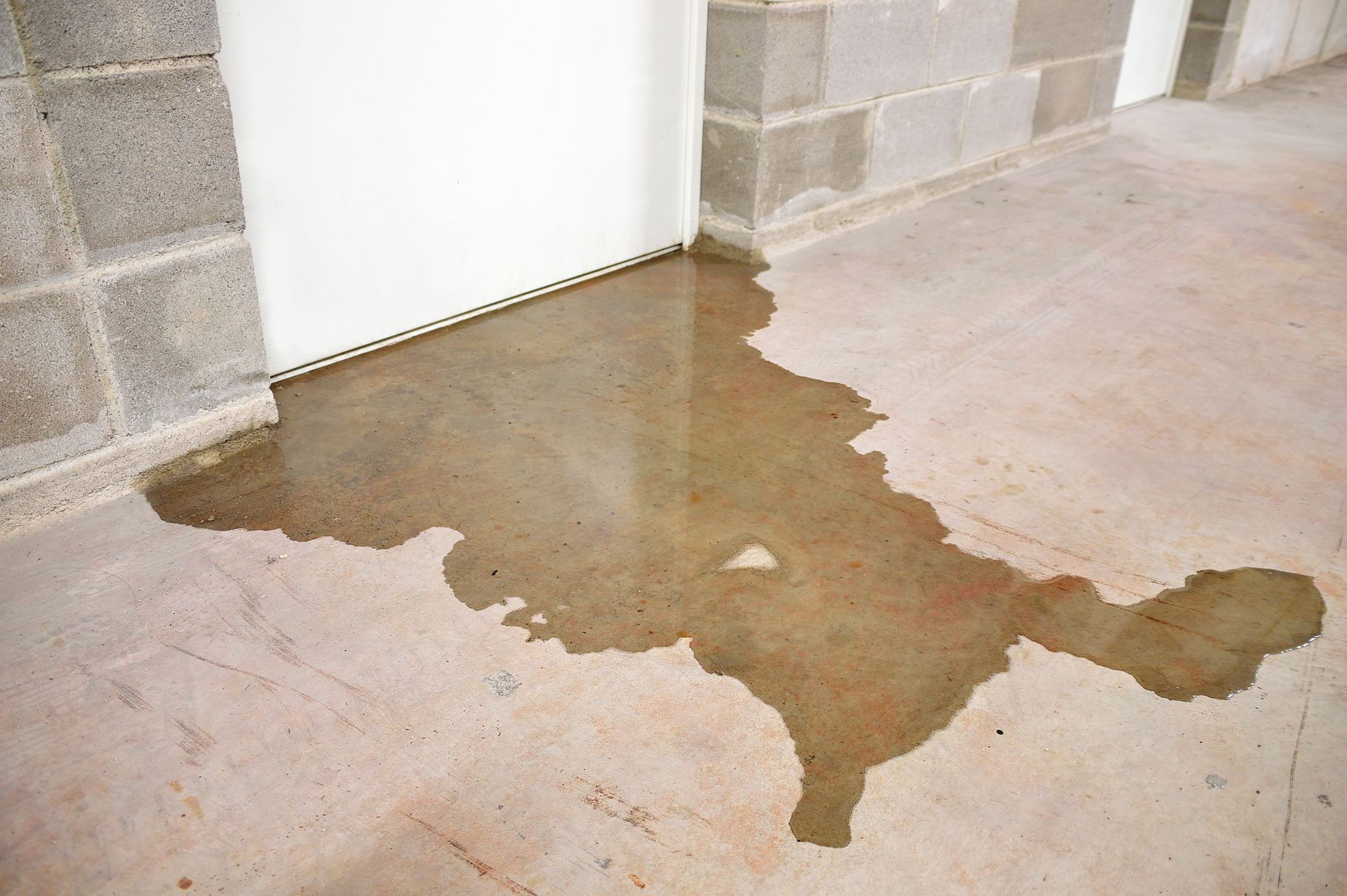
When an internal blockage completely seals primary drainage conduits, incoming wastewater loses all downstream discharge pathways, forcing liquid waste to seek alternative exit points. Following laws of fluid physics, backed-up sewage rises through vertical stacks and overflows out of the lowest plumbing fixtures in the home, typically basement floor drains, ground-level showers, or lower-level toilets. Neglecting an escalating main line clog eventually triggers horrific sewage backups that inundate interior living spaces with toxic, highly contaminated wastewater. Raw sewage contains dangerous pathogens, enteric bacteria, viruses, and chemical contaminants that pose immediate, severe health risks to household occupants. Furthermore, blackwater flooding destroys porous building materials like drywall, carpeting, subflooring, and wooden baseboards within hours, requiring expensive professional hazardous waste remediation. Preventing catastrophic fixture overflows requires immediate line clearing at the first sign of widespread fixture sluggishness. Cleanup crews must utilize specialized disinfectant foggers and extraction equipment to restore contaminated living zones. Immediate line clearing eliminates health risks and protects interior finishes.
Unaddressed primary drainage restrictions initiate a destructive chain reaction that compromises internal fluid dynamics, stresses pipe joints, accelerates root intrusion, causes chemical corrosion, triggers sewage back-ups, and undermines foundation stability. Protecting your home from catastrophic plumbing failures demands constant awareness, prompt diagnostic evaluation, and professional trade intervention at the first sign of drainage sluggishness. Clearing organic debris, removing tree roots, and restoring watertight pipe integrity preserve subterranean utility networks, safeguard household health, and prevent devastating property destruction. Investing in professional drainage maintenance eliminates hidden hazards, protects your financial equity, and guarantees reliable, stress-free plumbing performance for years to come. Proactive maintenance protects your property assets and ensures total peace of mind.
At Reliable Septic & Services, our dedicated team brings extensive trade experience, advanced diagnostic video inspection technology, and high-pressure water jetting solutions to every drainage challenge we resolve, ensuring your main sewer lines remain clear, structurally sound, and fully operational through every season. Contact us today or visit our local office to schedule your comprehensive drainage line inspection and experience the lasting benefits of expert subterranean utility care.
Share On: