Preparing Your Site: Professional Land Clearing Benefits

October 3, 2026

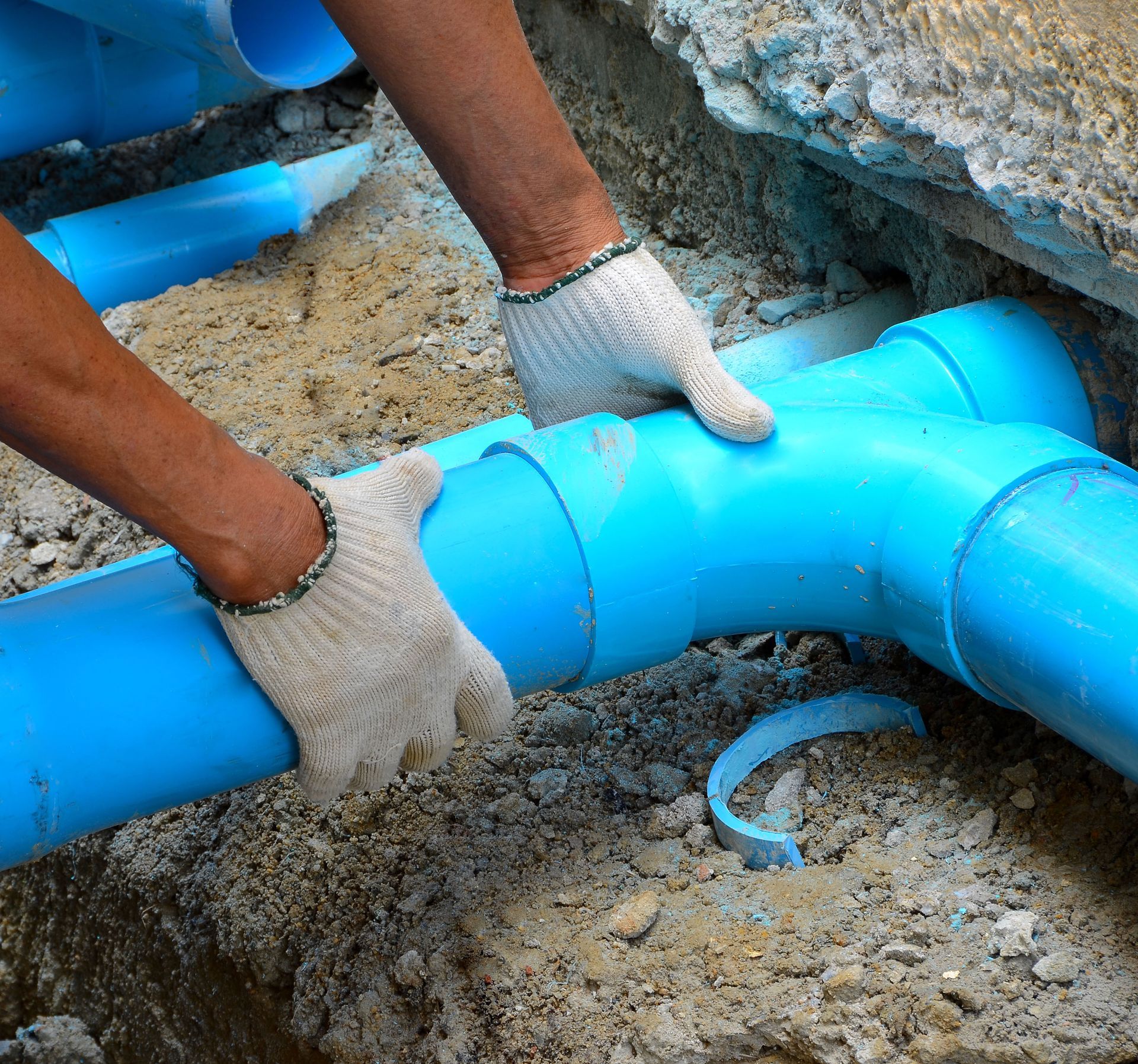
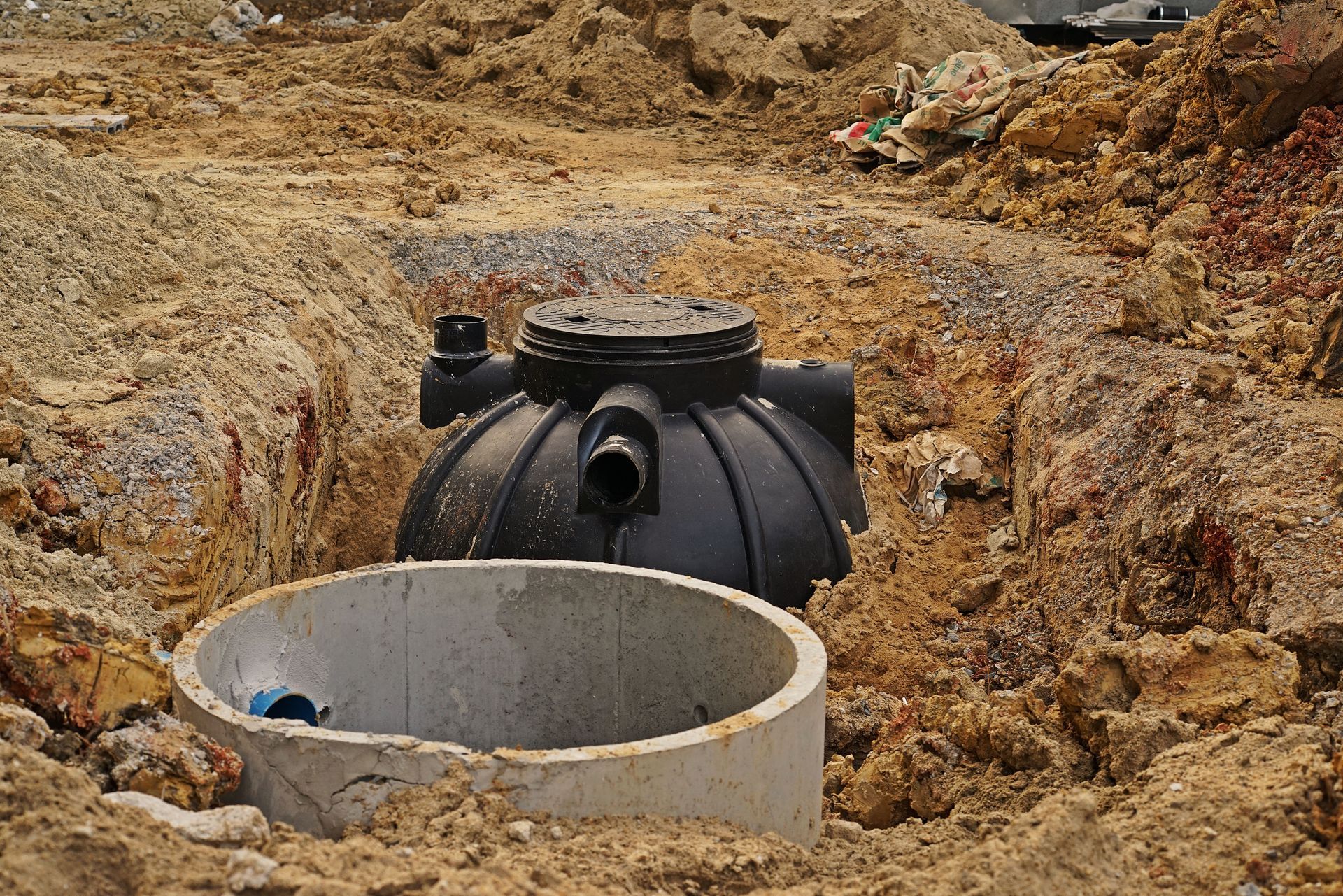
Preparing a property for construction, landscaping, utility work, or another major improvement begins long before the visible project takes shape. Overgrown vegetation, brush, stumps, debris, and uneven ground can interfere with access and make later phases more complicated. Professional land clearing creates a more workable environment by addressing these obstacles before contractors, equipment, and materials begin moving through the property.


A professionally prepared site also gives project teams a clearer view of existing conditions. Dense vegetation can conceal drainage concerns, unstable areas, discarded materials, or other features that may affect planning. Removing unnecessary growth and obstructions makes it easier to evaluate the usable space and coordinate upcoming work. Rather than treating site preparation as an isolated task, property owners can view it as an important foundation for the work that follows.


Improving Project Efficiency Through Professional Preparation

One of the most practical benefits of land clearing is the effect it can have on overall project efficiency. When access routes are obstructed or work areas remain covered by thick brush, crews may spend valuable time navigating around obstacles. Professional preparation helps establish a cleaner, more accessible workspace where equipment can be positioned more effectively and different trades can perform their work with fewer site-related interruptions.


Efficiency also depends on coordination. A site that has been appropriately prepared allows contractors to better understand where materials can be staged, where machinery can travel, and which areas require additional attention. This visibility can support more accurate planning and reduce avoidable disruptions once the primary project begins. Professional crews can also match their approach to the characteristics of the property, helping ensure that clearing supports the intended use rather than removing vegetation without regard for later phases.


Improving Safety Conditions Through Professional Preparation

Unmanaged properties can contain hazards that are difficult to identify. Thick brush may hide holes, fallen branches, sharp debris, unstable materials, or uneven terrain. Dead vegetation and tangled growth can also make movement more difficult for workers and equipment operators. Professional land clearing helps expose these conditions so they can be recognized and addressed as part of broader site preparation.


A more open work area can also improve visibility across the property. Clear sightlines matter when heavy equipment, delivery vehicles, contractors, and other personnel need to operate nearby. Professional crews understand that preparation involves more than removing what is unwanted; it also requires awareness of nearby structures, desirable vegetation, access points, and site boundaries. That broader perspective helps create conditions that are better suited for the work scheduled to follow.


Improving Equipment Access Through Professional Preparation

Construction and property improvement projects often depend on machinery that needs sufficient room to enter, turn, operate, and exit. Dense vegetation and accumulated debris can restrict that movement. Strategic land clearing can open appropriate access areas while preparing the main work zone for excavation, grading, installation, or other professional services.


Better access can benefit more than the clearing crew. Surveyors, utility professionals, septic service providers, landscapers, builders, and delivery teams may all need to reach specific portions of a property. When routes and work areas are prepared with the larger project in mind, subsequent contractors can spend less time dealing with preventable access problems. This can be particularly valuable on properties where natural growth has narrowed usable pathways or made important areas difficult to reach.


Improving Drainage Awareness Through Professional Preparation

Vegetation can influence how water moves across a property, and dense growth can make existing drainage patterns difficult to observe. Professional land clearing can reveal low areas, slopes, channels, and other terrain features that should be considered before construction or major site changes proceed. This clearer view can help qualified professionals assess how future grading, structures, or landscaping may interact with the property.


Clearing does not replace proper drainage evaluation, engineering, or site design. Instead, it can make the physical conditions easier to inspect. Preserving appropriate vegetation may also be important for erosion control, appearance, privacy, or environmental considerations. A professional approach therefore focuses on preparing the necessary areas while respecting features that should remain. Thoughtful site preparation supports better decisions because it provides a clearer picture of the ground without assuming that every tree, shrub, or natural feature needs to be removed.


Improving Environmental Planning Through Professional Preparation

Responsible site preparation should account for what happens to vegetation, organic material, and other waste generated during the work. Professional site preparation allows disposal and material handling needs to be considered as part of the project rather than as an afterthought. Depending on site conditions and applicable requirements, different materials may need to be separated, transported, processed, or managed through appropriate channels.


Environmental planning also extends to sanitation when crews will be working on a site for extended periods. According to MDPI, advanced microbial and enzymatic biopreparations can provide an effective, environmentally friendly alternative to chemical cleaners in portable sanitation by breaking down waste efficiently in support of SDG 6 and SDG 12. While sanitation is separate from vegetation removal, both illustrate why comprehensive site planning should consider waste management and environmental responsibility alongside productivity.


Improving Property Use Through Professional Preparation

Properties often contain areas that cannot be used effectively because brush, invasive growth, fallen material, or neglected vegetation has taken over. Professional site preparation can help restore practical access to those spaces and prepare them for an intended purpose. Depending on the larger project, that may mean making room for construction, improving access to infrastructure, preparing areas for landscaping, or creating a clearer layout for future property improvements.


The value of this work is not simply that a property looks more open. Effective preparation aligns the condition of the site with what needs to happen next. Selective removal can preserve useful natural features while eliminating growth that conflicts with access or planned development. This measured approach can help property owners avoid unnecessary disturbance and create a site that is easier for other professionals to evaluate and work within.


Improving Scheduling Control Through Professional Preparation

Site conditions can affect the timing of nearly every contractor who follows. If crews arrive and discover that vegetation blocks access, debris occupies a work zone, or equipment cannot reach the intended area, schedules may need to be adjusted. Completing land clearing at the appropriate stage helps reduce the likelihood that basic site obstacles will interfere with later work.


Professional preparation also encourages property owners and project managers to think ahead about sequencing. Clearing, hauling, grading, utility access, sanitation, and construction activities may need to occur in a coordinated order. When the site is prepared with upcoming phases in mind, transitions between contractors can be smoother. That does not eliminate every possible delay, but it can remove a category of preventable complications from the schedule.


Improving Long-Term Results Through Professional Preparation

The condition of a site at the beginning of a project can influence how easily later work is completed. Professional land clearing provides a defined starting point by removing targeted obstructions, improving visibility, and opening necessary access. It also gives the professionals responsible for later phases a better opportunity to evaluate the terrain and make decisions based on conditions they can actually see.


Good preparation is ultimately about supporting the purpose of the property. Clearing should be coordinated with the planned improvements, existing natural features, drainage needs, access requirements, and any applicable local rules. A professional assessment can help determine the appropriate scope so the work is neither insufficient nor unnecessarily extensive. When site preparation is approached as part of the complete project, it can contribute to safer operations, better coordination, and more efficient use of the property.


Improving Your Next Project Through Professional Preparation

A successful project begins with a site that is ready for the work ahead. Removing obstructive growth, improving access, exposing important terrain features, and planning for material management can make subsequent phases easier to coordinate. The benefits extend beyond appearance because thoughtful preparation can support safety, scheduling, equipment movement, and informed decision-making throughout the project.


When your property needs professional site preparation and related support, Reliable Septic & Services is ready to help. Contact us to discuss your project, learn more about our available services, and determine how we can help prepare your site for the work ahead.
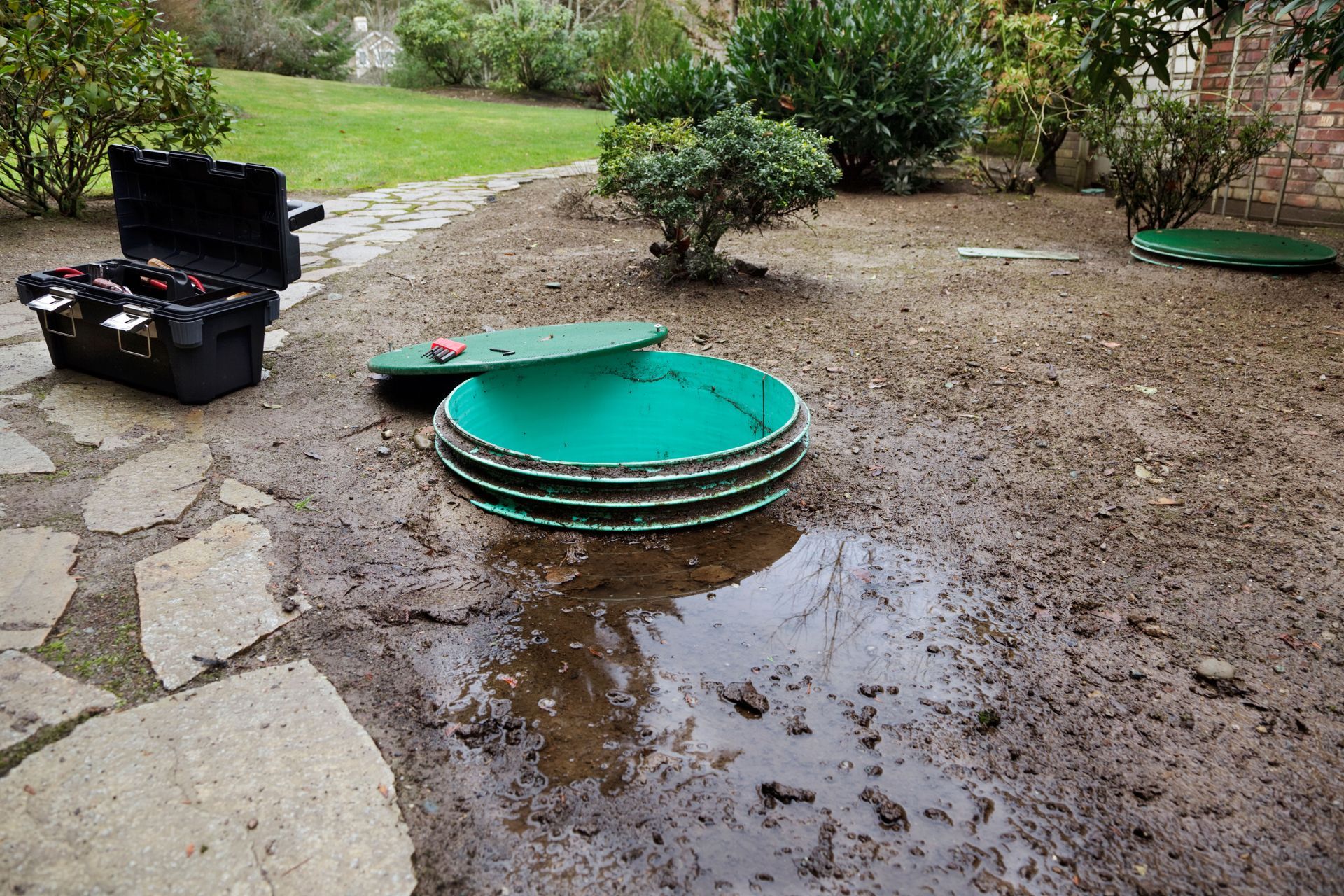
 septic system cleaner
November 13, 2026
Protect your tank's natural bacteria and drain field by choosing the right septic system cleaner for your property. Read our blog to learn what works safely.
septic systems
November 13, 2026
Find the right septic tank size for your home. Learn how bedroom count, water usage, and local codes determine capacity for septic systems.
septic service
November 12, 2026
Planning a septic tank installation? Use our homeowner's checklist to prepare for permits, excavation, and hiring a trusted septic service.
November 11, 2026
Maintaining a properly functioning septic system protects your home, prevents unexpected repairs, and preserves the environment. Without routine maintenance, wastewater systems can develop blockages, odors, and drainage problems. Understanding how these systems operate helps homeowners recognize warning signs and make informed maintenance decisions. At Reliable Septic & Services, we understand the importance of dependable wastewater management. Our team helps homeowners address maintenance concerns, identify problems, and protect their systems through professional septic services. Whether scheduling routine maintenance or responding to drainage concerns, professional attention supports long-term system performance. Understanding How Septic Systems Work Identifying the Main System Components A residential septic system consists of an underground treatment tank, connecting pipes, and a drainfield. Wastewater enters the septic tank, where heavier solids settle at the bottom while oils and grease accumulate near the surface. The remaining liquid flows toward the drainfield for additional treatment. Each component serves an important purpose. When one section becomes damaged or obstructed, the entire wastewater treatment process may be affected. Understanding these connections helps homeowners recognize why professional maintenance is necessary. Recognizing Different System Designs Not every property uses the same wastewater treatment configuration. Conventional gravity-fed systems are common, but some properties require alternative designs because of soil conditions, groundwater levels, or available space. Chamber systems, mound systems, and aerobic treatment units offer different approaches to wastewater management. Each design has specific maintenance requirements, making professional evaluations valuable when determining service schedules. Understanding Environmental Responsibilities According to Growing Blue, approximately 26 million American homes use septic systems. This widespread reliance highlights the importance of responsible wastewater management and consistent maintenance. Poorly maintained systems can release untreated wastewater into surrounding soil and groundwater. Contamination may affect nearby wells, waterways, and natural habitats. Professional septic services help homeowners protect their properties while supporting environmental health. Recognizing the Importance of Professional Inspections Scheduling Inspections at Appropriate Intervals Regular inspections identify developing problems before they become expensive emergencies. The Environmental Protection Agency generally recommends inspecting household septic systems at least every three years, although certain systems require more frequent attention. Regular septic tank inspections also help homeowners understand how seasonal changes and household water usage affect system performance. Household size, wastewater volume, equipment condition, and system design influence inspection frequency. Our team at Reliable Septic & Services can help homeowners recognize when professional attention is appropriate. Evaluating Critical System Components During a professional inspection, technicians assess accessible components and identify potential performance concerns. Evaluations may include examining sludge accumulation, checking inlet and outlet structures, and assessing signs of drainfield problems. An inspection can reveal damaged connections, restricted wastewater movement, or equipment deterioration. These findings help determine whether pumping, repairs, or additional diagnostic services are necessary. Preventing Expensive Emergency Repairs Small wastewater problems can become major concerns when ignored. A deteriorating outlet component, for example, may allow solids to enter areas designed primarily for liquid wastewater. Addressing these issues early can reduce expensive repairs. Professional inspections provide information about system condition and help homeowners make informed maintenance decisions. Following Effective Routine Maintenance Practices Scheduling Professional Pumping Services Routine pumping removes accumulated sludge and floating materials before they interfere with wastewater treatment. The EPA generally recommends pumping household septic systems every three to five years, depending on tank capacity, household size, and wastewater generation. A septic tank that accumulates excessive solids may allow material to reach the drainfield, increasing the risk of blockages. Professional pumping helps manage these materials and supports reliable system operation. Managing Household Waste Disposal Household disposal habits influence wastewater system performance. Items such as disposable wipes, diapers, sanitary products, and cooking grease can contribute to obstructions or interfere with normal treatment processes. Proper disposal habits reduce unnecessary strain on the septic tank and help prevent maintenance problems. Even products marketed as flushable may create problems in wastewater systems. Homeowners should reserve toilets for human waste and toilet paper while disposing of other materials appropriately. Controlling Excessive Water Consumption Excessive wastewater volume can overwhelm treatment systems and reduce the time available for solids to settle. Leaking plumbing fixtures, inefficient appliances, and high household water consumption may contribute to these conditions. Water-efficient fixtures and appliances reduce unnecessary wastewater generation. Homeowners experiencing unexplained increases in water usage should arrange plumbing evaluations to identify potential leaks. Avoiding Unnecessary Chemical Additives Some homeowners believe bacterial additives are essential for maintaining wastewater treatment systems. However, properly functioning systems generally contain naturally occurring microorganisms that break down organic waste. The EPA does not recommend routine septic additives because their effectiveness is uncertain and some products may cause problems. Professional maintenance remains the preferred approach for managing accumulated solids and addressing treatment concerns. Protecting Septic Systems From Preventable Damage Maintaining Appropriate Drainfield Landscaping Landscaping decisions can influence underground wastewater infrastructure. Tree roots may invade pipes, while heavy equipment can compact soil and damage buried components. Drainfields should remain protected from vehicle traffic, construction activity, and inappropriate landscaping installations. Homeowners planning property improvements should consult qualified professionals before disturbing areas containing wastewater infrastructure. Maintaining Proper Effluent Filtration Effluent filters help prevent suspended solids from entering the drainfield. These components provide additional protection against materials that might otherwise obstruct wastewater distribution. Filters require periodic professional cleaning and inspection. During maintenance visits, technicians can determine whether filtration components are functioning properly or require replacement. Monitoring Drainfield Performance Drainfield performance is essential to effective wastewater treatment. Standing water, persistent odors, or unusually saturated ground may indicate that wastewater is not dispersing properly. A properly maintained septic tank helps limit the amount of solid waste reaching the drainfield, supporting more effective wastewater treatment. These warning signs require professional evaluation. Identifying the cause helps determine whether repairs or additional services are necessary. Addressing Common Septic System Problems Responding to Slow Household Drains Slow drains can develop from localized plumbing obstructions or broader wastewater system problems. When several fixtures drain poorly simultaneously, an issue affecting the main drainage system may be responsible. A full septic tank or obstructed wastewater line can also contribute to drainage difficulties. Professional diagnostics help distinguish plumbing concerns from problems requiring specialized wastewater services. Investigating Persistent Wastewater Odors Unpleasant odors near drains, outdoor treatment components, or the drainfield should not be ignored. These smells may indicate ventilation problems, wastewater leakage, or system overload. At Reliable Septic & Services, we encourage homeowners to seek professional assistance when persistent odors develop. Identifying their source helps prevent recurring problems and supports safer property conditions. Addressing Wastewater Backups Promptly Wastewater backups require immediate attention because they can expose occupants to harmful microorganisms and contaminate interior surfaces. Common contributing factors include blocked pipes, excessive sludge accumulation, and drainfield failures. When sewage begins backing up, homeowners should minimize water usage and contact qualified professionals. They should avoid contact with contaminated materials until appropriate remediation can be arranged. Correcting Recurring System Malfunctions Repeated drainage problems may indicate an underlying issue that routine pumping alone cannot resolve. Damaged pipes, unsuitable drainage conditions, or malfunctioning mechanical equipment may require specialized repairs. A professional assessment can identify the likely cause and establish an appropriate corrective plan. Addressing the problem helps reduce repeated service disruptions and unnecessary expenses. Supporting Long-Term Septic System Performance Practicing Responsible Water Conservation Responsible water consumption benefits household wastewater systems and the environment. Reducing unnecessary wastewater volume helps maintain manageable treatment conditions and decreases pressure on drainage infrastructure. Efficient appliances and prompt plumbing repairs support these goals. Consistent water conservation also contributes to lower utility expenses and more sustainable household operations. Keeping Accurate Maintenance Records Maintenance records provide information about system history, previous repairs, pumping intervals, and inspection findings. These documents help professionals understand recurring issues and recommend future services. Documenting each septic tank service appointment makes it easier to establish consistent maintenance schedules and identify recurring concerns. Records can also be useful during property transactions when buyers request information about wastewater infrastructure. Partnering With Experienced Septic Professionals Long-term wastewater system reliability depends on appropriate maintenance, timely inspections, and professional attention when problems arise. Every property has different conditions, making individualized service recommendations important. Reliable Septic & Services is committed to helping homeowners understand their wastewater systems and address maintenance concerns with confidence. Whether you need routine pumping, an inspection, or assistance with a developing problem, our team is ready to help. Contact Reliable Septic & Services today to discuss your septic tank maintenance needs and protect your home's wastewater system.
pump out septic tank
November 7, 2026
Learn the truth about septic additives, what they can and cannot do, and why routine pump out septic tank services help keep your system working properly.
main line clogs
November 5, 2026
Did you know that main line clogs are actually an urgent plumbing emergency? They're the kind of problem you want to solve right now. Learn more right here.
land clearing
October 9, 2026
Do you have questions about land clearing? Read this blog to learn about the five environmental impacts that land clearing solves before building begins.
main line clog
October 3, 2026
Learn the warning signs of a main line clog, including slow drains, backups, and unusual plumbing issues, so you can identify when professional help is needed.
main line clog
September 16, 2026
Stop main line clog backups before they flood your home. Fast line clearing eliminates health risks, pathogens, and expensive wastewater cleanup.
septic services
August 6, 2026
Protect your home and environment with expert septic services. Prevent costly repairs, backups, and health hazards—schedule a professional inspection today!