What to Expect When You're Installing a Septic Tank: A Homeowner's Checklist
Deciding to upgrade your home wastewater management system brings significant responsibility and requires careful planning. For many homeowners living outside municipal utility zones, managing household waste means relying on independent underground facilities to treat effluent safely. Proper preparation ensures your household experiences minimal disruption. Taking time to learn about the phases of construction allows you to coordinate effectively with the professionals handling the heavy machinery. Knowing exactly what happens at every stage provides peace of mind and protects your landscaping investments. Ultimately, this knowledge helps maintain a safe and sanitary environment for your family. Hiring a reputable septic service simplifies everything from the initial soil evaluation to the final layer of topsoil. According to Spherical Insights, the worldwide septic tanks market size is expected to reach USD 6.1 billion by 2032. This growing demand highlights how many residential property owners are undertaking these identical upgrades. By following a structured approach, you can confidently navigate the upcoming installation journey.
Assessing the Natural Topography
Before shovels hit the dirt, specialists evaluate your land to determine the most suitable location for the waste management system. Professionals examine the soil composition, ensuring it possesses proper drainage characteristics for processing wastewater effectively. This investigation prevents future pooling issues and guarantees effluent filters naturally through the earth. Technicians observe the yard slope and identify potential obstacles like tree roots or hidden bedrock that might interfere with structural integrity. Securing a reliable septic service during this initial phase remains crucial because their expertise dictates the long-term success of the project. They map out ideal boundaries effortlessly.
Following the physical examination of your yard, planners outline a customized design tailored specifically to your household water usage habits. Every property behaves differently under heavy moisture, making the drainage field layout a highly individualized blueprint. The chosen location must accommodate future maintenance access so routine pumping trucks can reach the utility ports without ruining garden beds. Identifying the correct placement reduces the likelihood of unpleasant odors drifting toward patio spaces. Relying on an experienced septic service guarantees all topographical variables receive careful consideration before finalized blueprints emerge. This foresight prevents costly modifications later in the construction phase.
Obtaining the Necessary Approvals
Bureaucracy plays a significant role in any major home improvement endeavor, and wastewater systems are strictly regulated by local health departments. Homeowners cannot simply dig a hole and drop a holding container into the ground without facing severe legal penalties. Municipalities require extensive documentation detailing the proposed dimensions and environmental impact of your upcoming installation. Submitting finalized design plans initiates a review process where civic engineers verify your project complies with regional sanitation guidelines. The paperwork must reflect accurate soil percolation rates and showcase exact property boundaries. Navigating this administrative maze requires patience and precise attention to regulatory details.
Passing the bureaucratic review culminates in receiving official permission to begin earthmoving operations on your property. Inspectors often visit the site to verify the submitted plans match the physical reality of your yard before granting final authorization. Collaborating with a professional septic service streamlines this regulatory hurdle because they maintain established relationships with local environmental officials. They understand exactly which forms need submission and how to answer technical questions posed by health inspectors. Having knowledgeable advocates handle the permitting process relieves you from deciphering complex municipal codes. Soon, you can confidently schedule the heavy machinery to arrive.
Excavating the Designated Area
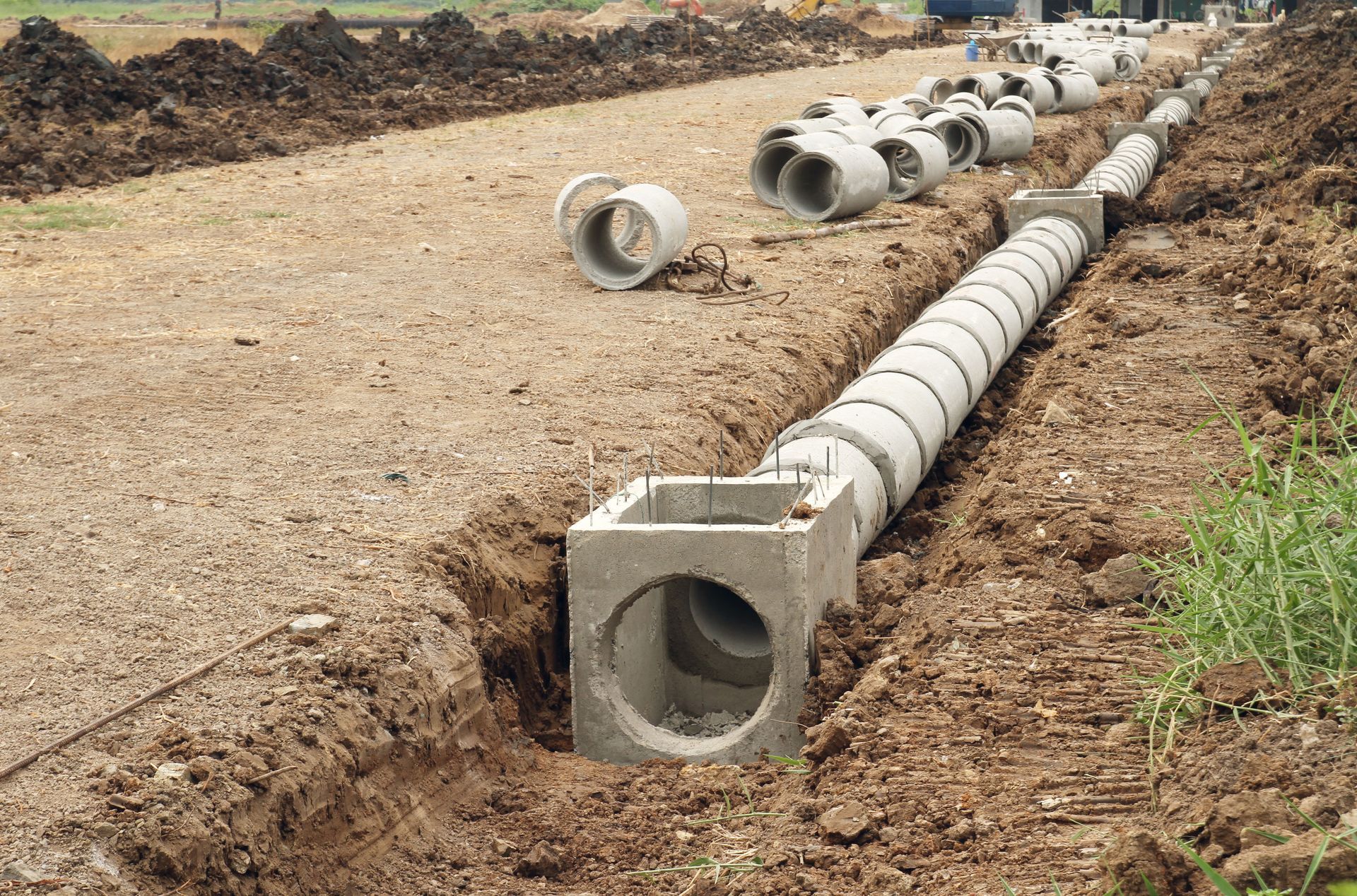
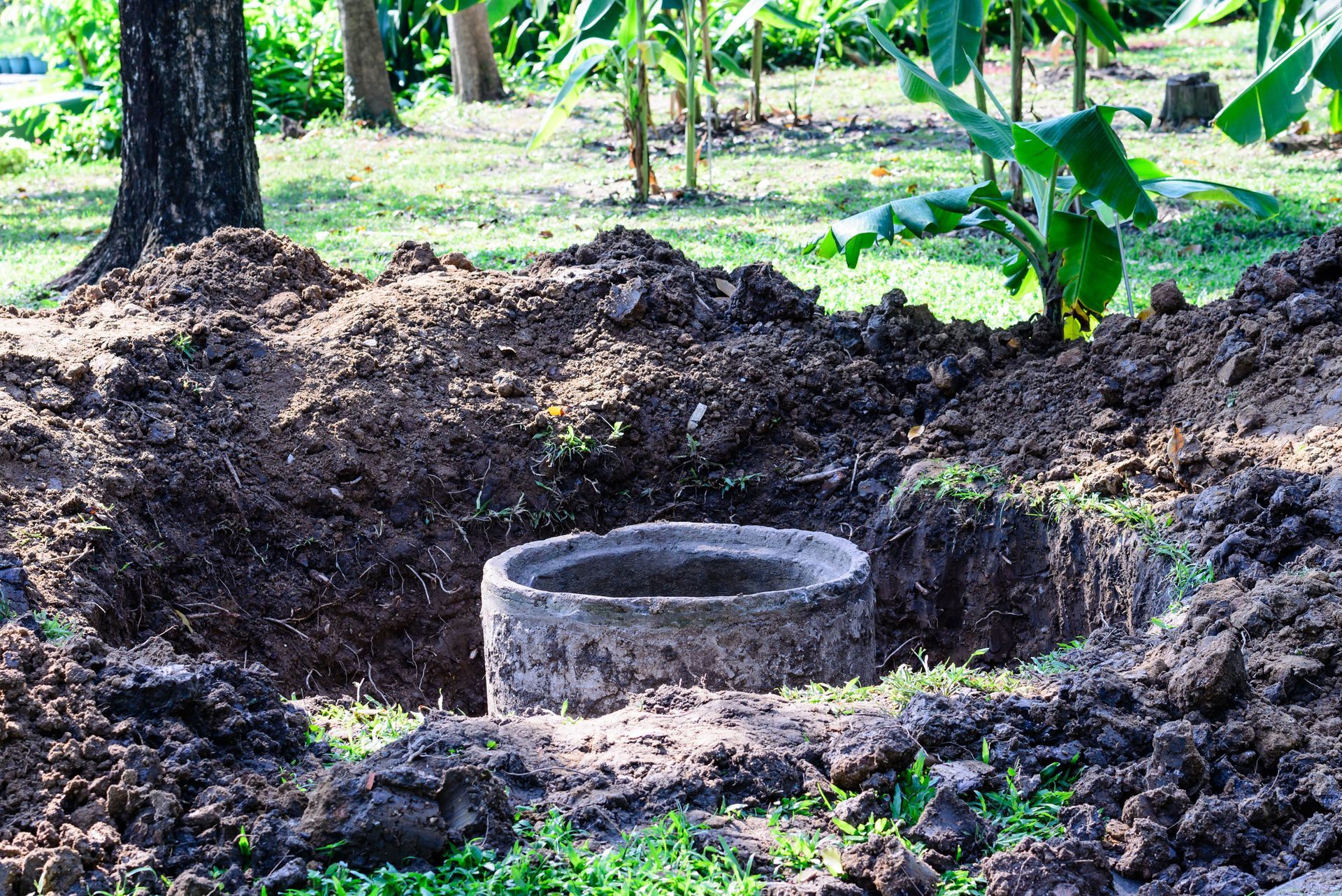
When the heavy equipment finally arrives, your quiet property quickly transforms into an active construction zone filled with rumbling machinery. Operators drive backhoes and excavators across your lawn to reach the previously marked boundaries where the main container and drainage field will reside. Digging massive trenches displaces enormous volumes of dirt, creating substantial mounds of soil temporarily scattered around your yard. This earthmoving stage looks incredibly messy and often causes homeowners distress as they watch their manicured lawns disappear. However, skilled machinery operators work with surgical precision to minimize collateral damage to surrounding vegetation and hardscaping features.
Creating the perfect underground cavity requires removing rocks, breaking through tough clay, and leveling the trench floors to exact specifications. The bottom of the pit must remain perfectly flat, so the incoming components rest evenly without tilting or shifting over time. Proper grading in the drainage field is equally important to ensure gravity pulls the wastewater evenly across the filtration area. Bringing in a top-tier septic service guarantees the excavation crew understands these critical elevation requirements and slopes the trenches correctly. They measure the depth of the dug spaces continually. Completing the digging phase sets a solid foundation.
Installing the Essential Components
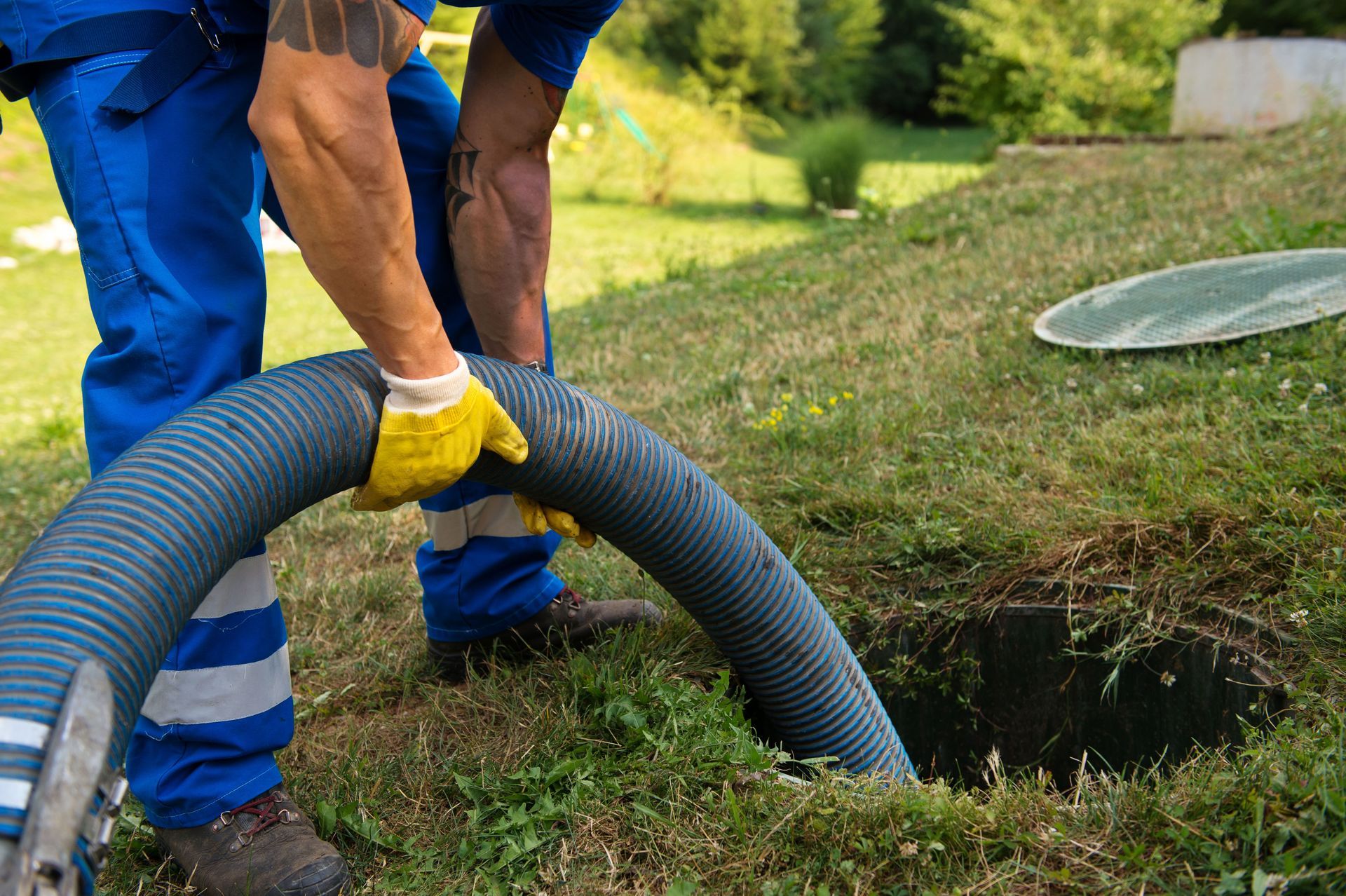
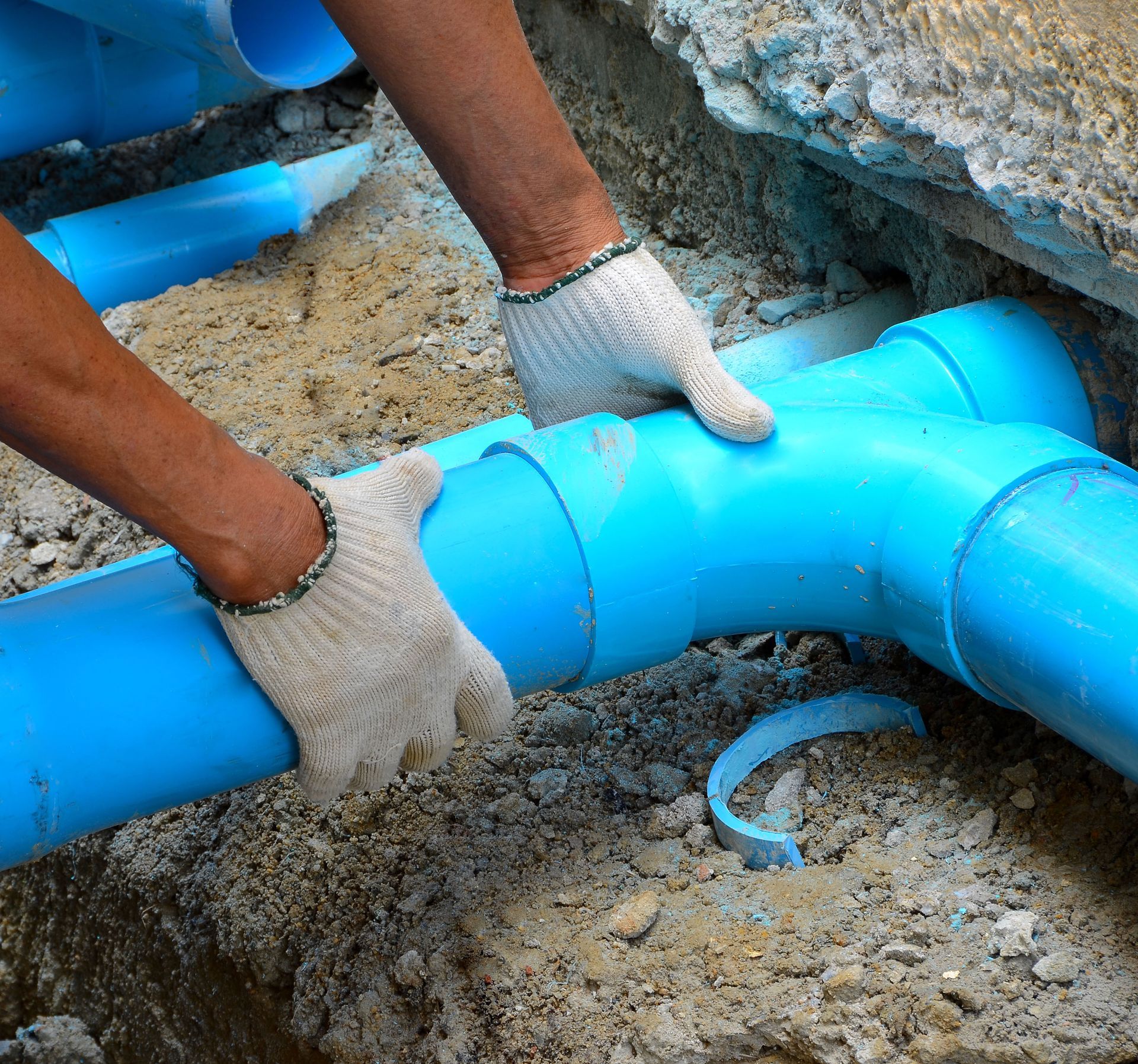
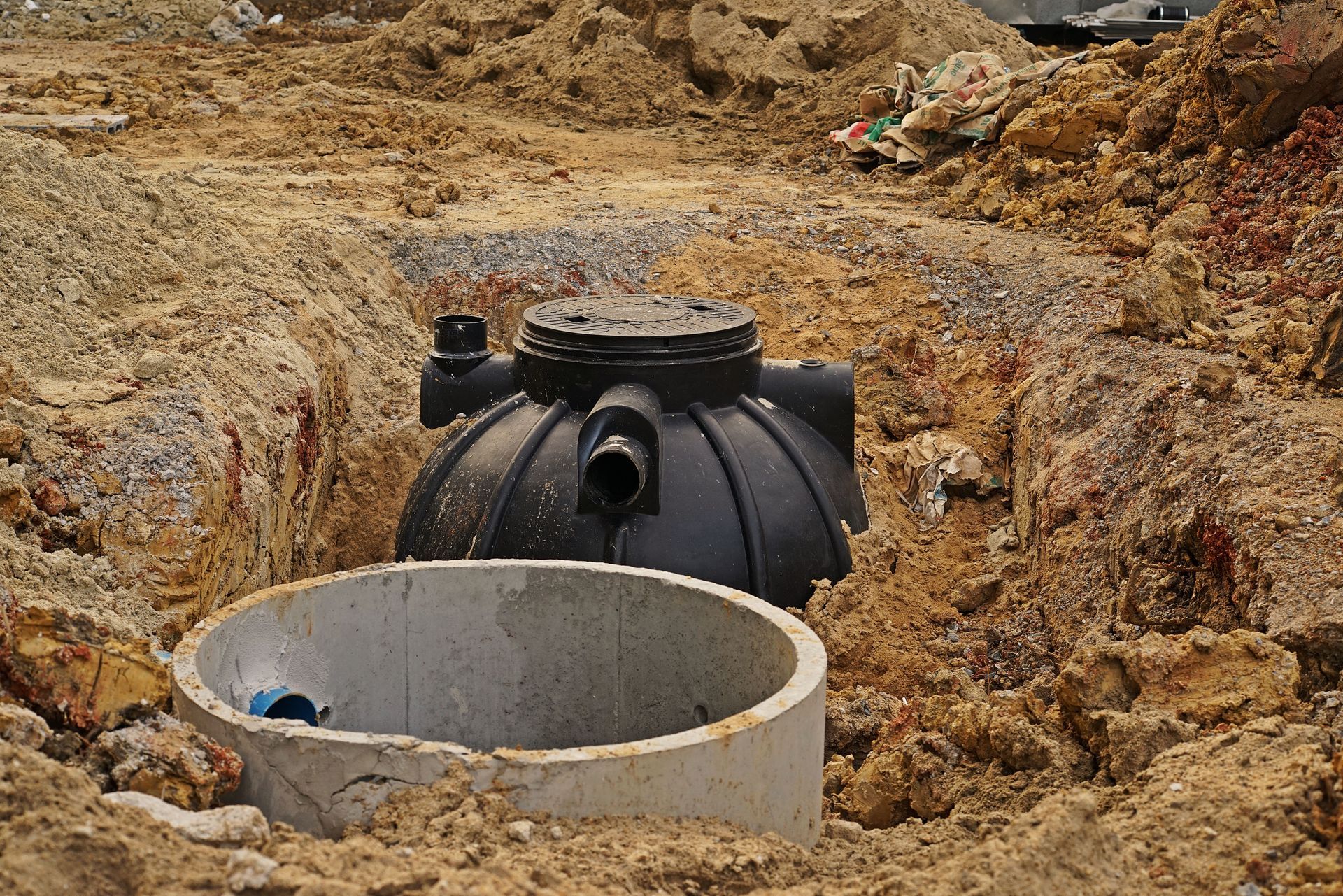
With the massive trenches fully prepared, crews carefully lower the holding tank into its permanent underground resting place. This delicate maneuver requires heavy lifting equipment and constant communication among the workers to prevent damaging the watertight shell. After being positioned securely at the trench bottom, technicians connect the main outflow pipe from your house to the receiving port on the container. They also lay down a network of perforated pipes across the designated drainage field, resting them over layers of crushed gravel for optimal filtration. Every connection must be sealed tightly to prevent untreated sewage from leaking.
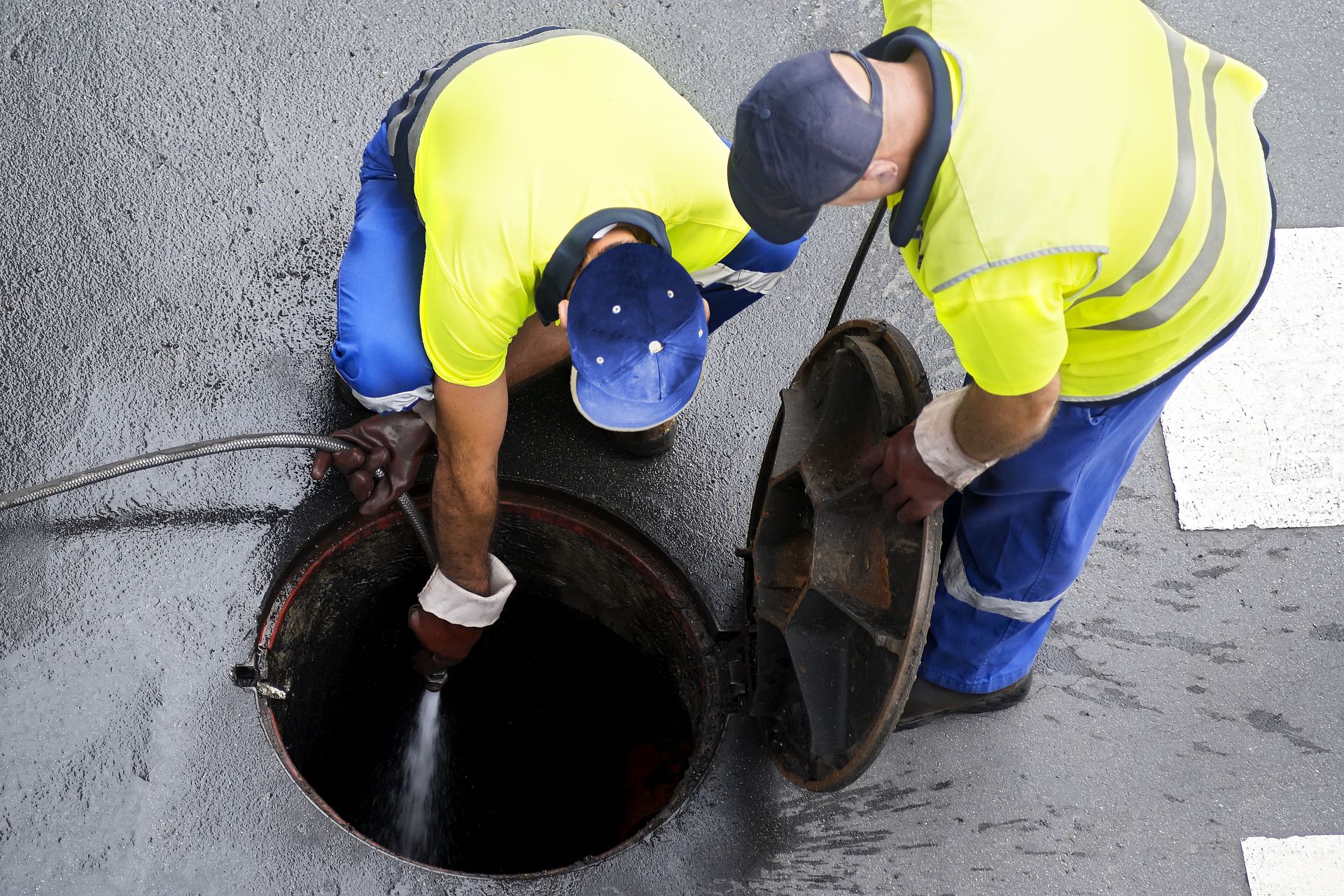
After assembling the primary holding structure and the distribution network, electricians and plumbers finalize the internal mechanical workings. Depending on the complexity of your chosen system, this step might involve wiring high-level alarms, installing effluent pumps, and fitting the necessary outlet filters. These technological additions ensure the entire apparatus operates smoothly and alerts you immediately if fluid levels rise unexpectedly. A knowledgeable septic service will rigorously test these electrical connections and mechanical floats before covering anything with dirt. Verifying the plumbing joints hold firm under pressure protects the surrounding environment from catastrophic contamination during future household usage.
Restoring the Disrupted Landscape
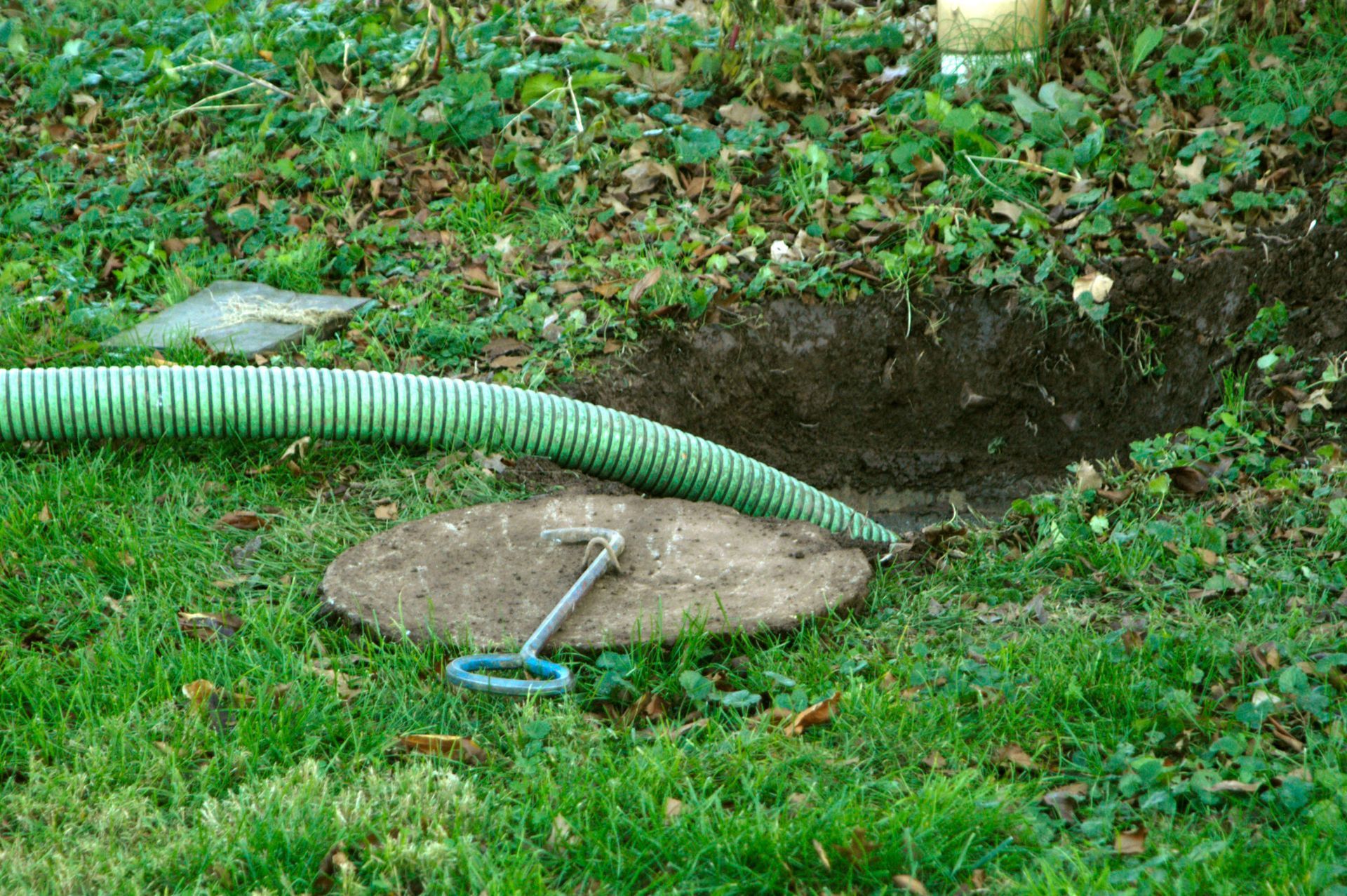
The final phase involves burying the newly assembled wastewater infrastructure and returning your yard to a visually pleasing state. Construction crews push the previously excavated dirt back into the trenches, carefully burying the holding container and the vast network of drainage pipes. They must compact the soil gently to prevent future sinkholes while ensuring they do not crush the delicate underground distribution lines. This backfilling process hides the utilitarian machinery from view, leaving just the access ports visible above the ground for future maintenance. Watching the earth cover the trenches brings relief as construction finishes.
Following the dirt replacement, workers grade the surface to promote proper rainwater runoff and prevent moisture from pooling over the freshly buried machinery. You will need to spread grass seed or lay fresh sod over the bare dirt patches to prevent erosion during upcoming rainstorms. Establishing a healthy root system above the drainage field actually helps pull moisture from the earth and improves overall filtration efficiency. Partnering with a dedicated septic service often includes receiving expert advice on which shallow-rooted plants are safe to cultivate nearby. Slowly, your property heals, hiding the sanitary engineering safely beneath green vegetation.
Navigating a major wastewater infrastructure upgrade demands patience, preparation, and an understanding of the impending construction phases. From evaluating the soil composition to securing governmental approvals, each preliminary step lays the groundwork for a successful and legally compliant project. The dramatic excavation and precise component assembly phases require specialized machinery and expert technical knowledge to execute flawlessly. Finally, the careful restoration of your yard conceals the heavy engineering beneath a tranquil, functional landscape. Transitioning from an aging waste system to a modern setup protects your property value and ensures sanitary living conditions for your family. Understanding this detailed progression transforms a highly disruptive event into an anticipated property enhancement. Whether dealing with challenging soil types or navigating strict municipal codes, having experienced professionals by your side eliminates the guesswork. If you are interested in making this upgrade a stress-free experience, please reach out to Reliable Septic & Services.



Share On: