Pump Out Septic Tank Myths: What Additives Can (and Can't) Do
Septic tank additives are often marketed as simple solutions for maintaining a healthy septic system, reducing odors, and preventing costly repairs. However, these products cannot replace routine maintenance or correct every problem that develops underground. Understanding what additives can and cannot do helps homeowners make informed decisions about septic care. Knowing when to pump out septic tanks is especially important for preventing backups, protecting the drainfield, and extending the system's life.
Understanding How Septic Tank Additives Work
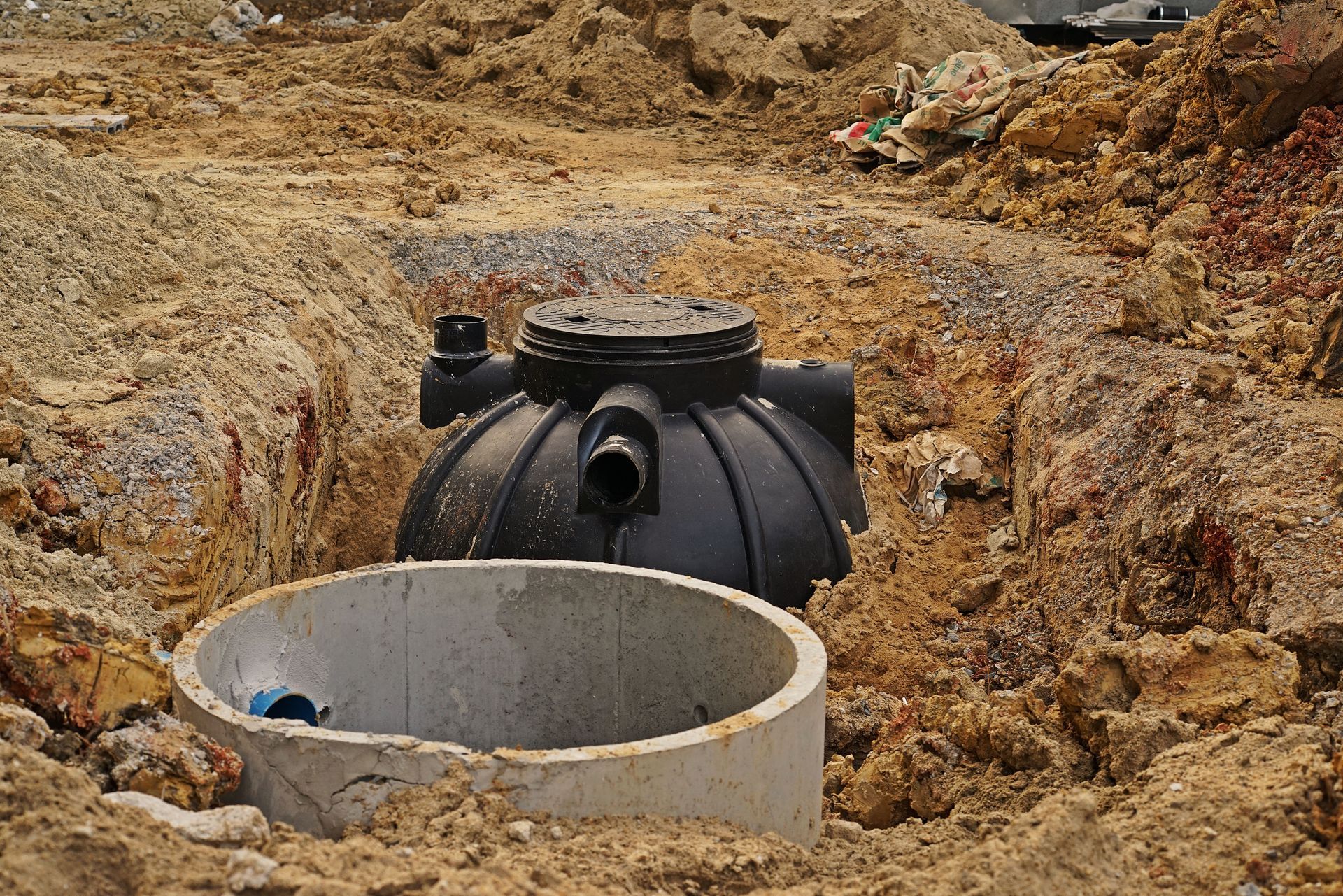
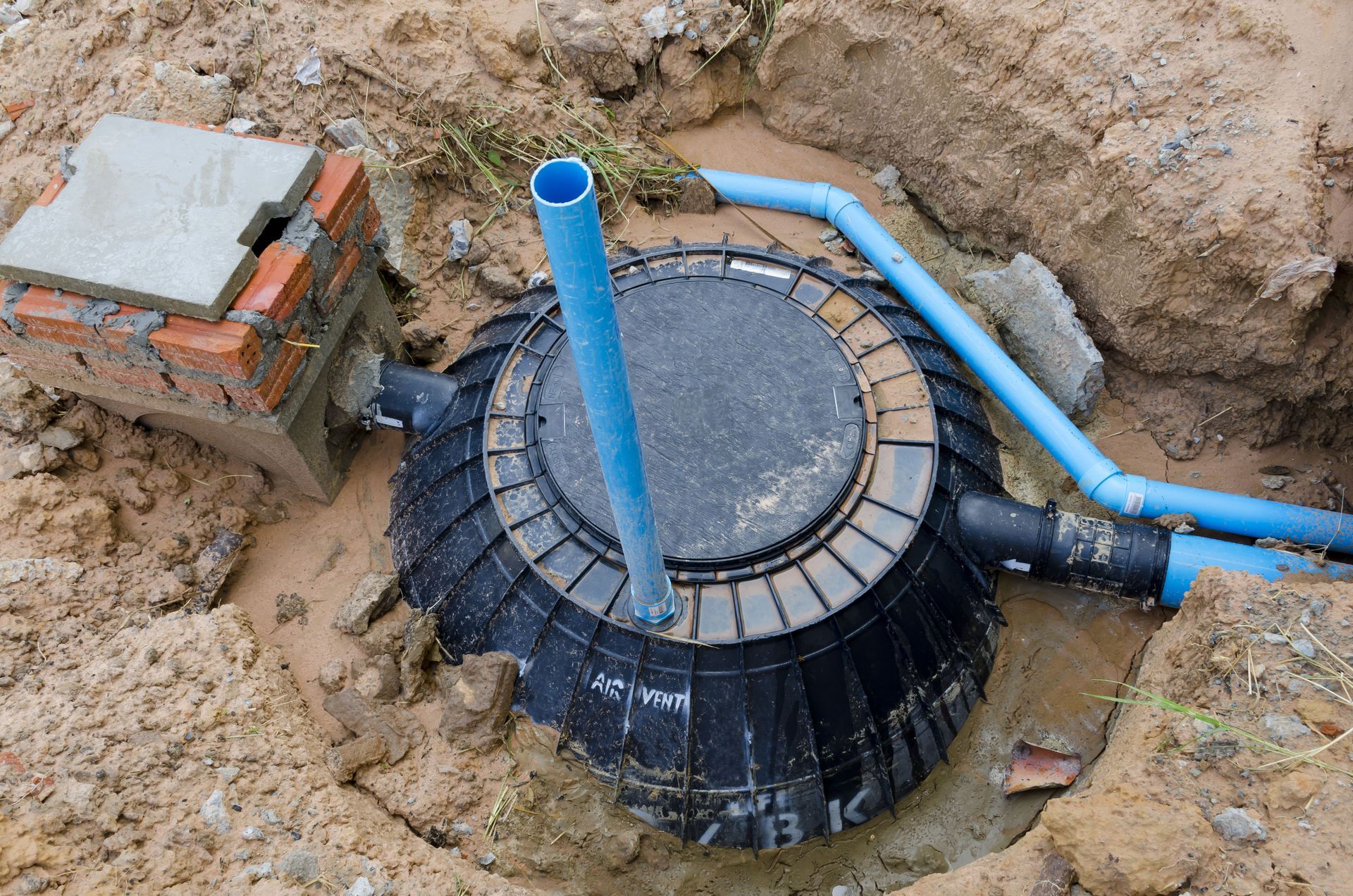
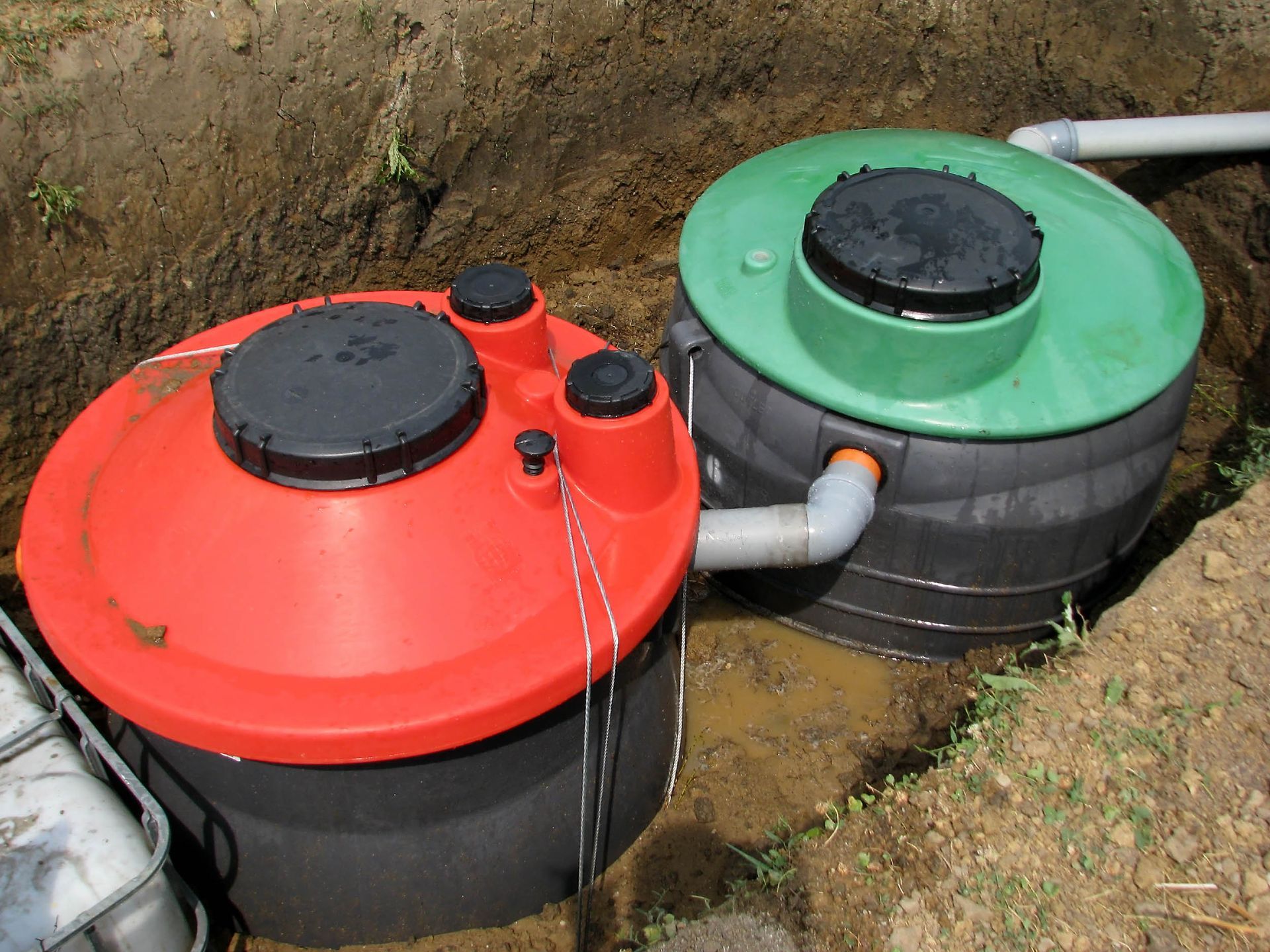
Septic systems rely on naturally occurring bacteria and other microorganisms to break down organic waste. As wastewater enters the tank, heavier solids settle to the bottom as sludge, while fats, oils, and grease rise to form a scum layer. The remaining liquid flows into the drainfield, where it receives additional treatment as it moves through the soil.
Additives are designed to introduce microorganisms, enzymes, or chemicals that are supposedly meant to improve this process. Some products contain bacteria intended to support biological activity, while others use enzymes to help break down specific organic materials.
Although these products may sound beneficial, most properly functioning septic systems already contain the microorganisms needed to process household waste. Regular wastewater use continually introduces organic material that supports biological activity.
Additives also cannot eliminate the accumulation of all solids inside a septic tank. Even when bacteria break down some waste, residual sludge and scum continue to build up over time. Homeowners must still schedule inspections and pump out septic tank systems when necessary to prevent excessive accumulation and protect the drainfield.
Evaluating the Benefits and Limitations of Septic Additives
Septic additives are often promoted as convenient ways to improve system performance, but their actual benefits depend on the product and the system's condition. Understanding their limitations helps homeowners make informed decisions about septic maintenance.
Reducing the Need for Routine Pumping
Some additives claim to dissolve accumulated waste so effectively that professional pumping becomes unnecessary. While certain microorganisms can help break down biodegradable material, they do not eliminate all solids that enter a septic tank.
Sludge and scum continue to accumulate, and excessive buildup can interfere with wastewater treatment. If solids enter the drainfield, they may clog soil pores and cause costly system damage. Homeowners should follow an appropriate maintenance schedule rather than relying on additives to postpone necessary service.
Improving System Performance With Additional Treatments
Adding larger quantities of a septic treatment product does not necessarily improve system performance. Some products may have little measurable benefit in a properly functioning tank, and excessive chemical use can disrupt the biological processes that support wastewater treatment.
Certain harsh chemicals may also damage plumbing components or harm beneficial microorganisms. Always follow product instructions and consult a qualified septic professional before introducing unfamiliar treatments into the system.
Restoring Drainfields With Septic Additives
Another common claim is that additives can restore a clogged, saturated, or damaged drainfield. Although biological processes help treat wastewater, additives cannot correct underlying problems such as poor drainage, physical obstructions, excessive water loading, or structural damage.
Warning signs such as standing water near the drainfield, sewage odors, slow drains, and wastewater backups require professional evaluation. Prompt attention can help identify the source of the problem before damage becomes more extensive.
Supporting Biological Activity in Septic Tanks
Certain products may serve a specific purpose in particular circumstances, but their usefulness depends on the product, the system, and the problem being addressed. Additives should never be considered a universal solution for septic maintenance.
For most residential systems, responsible water use, proper waste disposal, periodic inspections, and timely pumping provide more dependable protection than routine reliance on supplemental treatments.
Recognizing the Signs of Necessary Septic Pumping
Knowing when to pump out septic tanks is more important than relying on additives to manage waste buildup. Although maintenance schedules vary, many residential septic tanks require pumping every three to five years. Tank capacity, household size, water consumption, and the amount of solid waste entering the system all influence the appropriate schedule.
Homeowners should watch for warning signs that indicate a potential problem, including:
- Slow-draining sinks, showers, and toilets throughout the home.
- Persistent sewage odors inside the house or near the tank and drainfield.
- Standing water or unusually lush grass above the drainfield.
- Wastewater is backing up into household drains.
These symptoms may indicate excessive buildup, blocked components, or drainfield problems. They do not always mean the tank is full, so a professional assessment is important before choosing a solution.
According to Farmers Insurance, the nation's aging sewer infrastructure includes more than 500,000 miles of sewer lines that average over 30 years old, increasing the potential for backups as additional homes connect to aging systems. Although municipal sewer lines differ from private septic systems, this infrastructure concern reinforces the importance of maintaining wastewater systems and addressing problems before they become more serious.
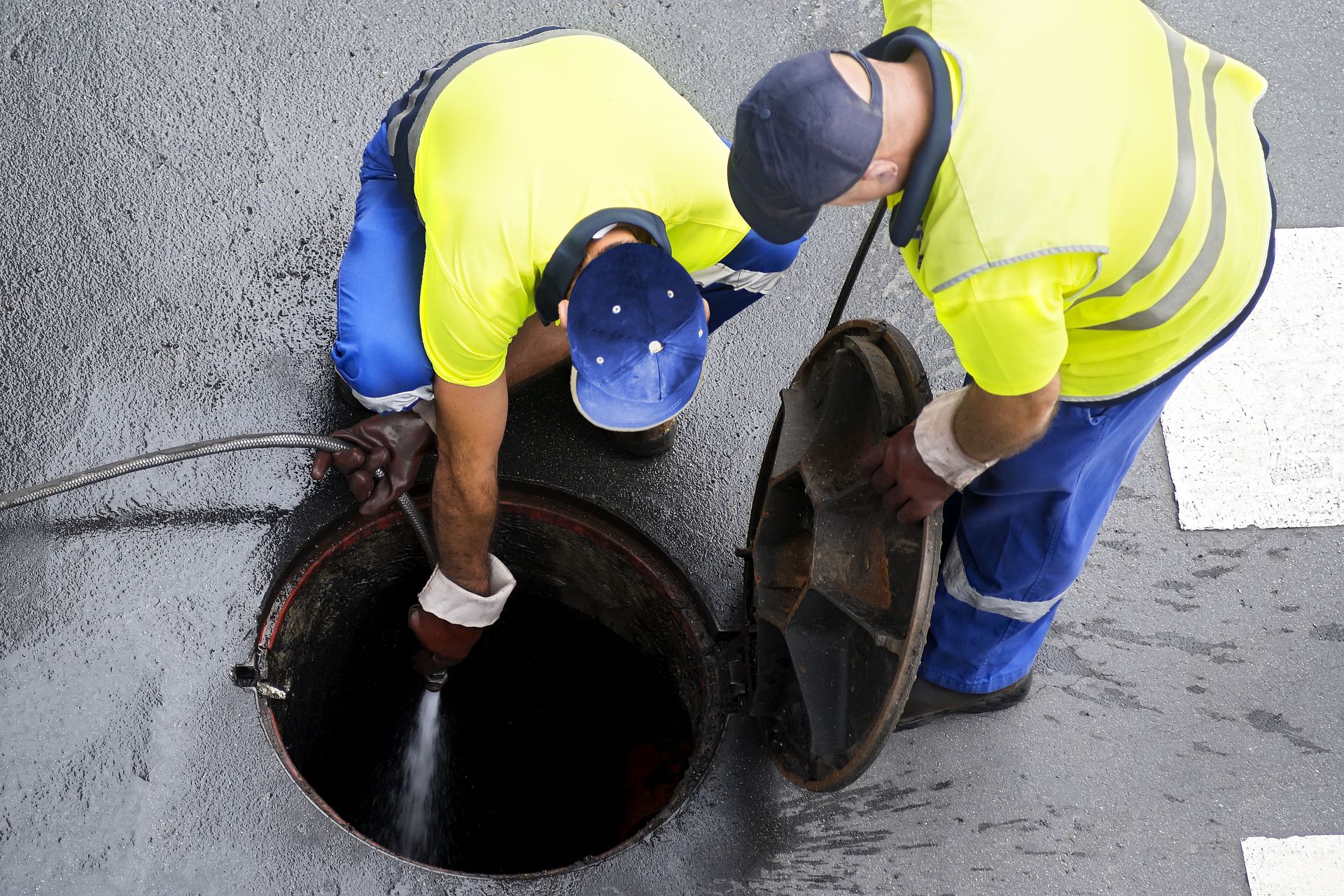
When homeowners need to pump out septic tank systems, professional service removes accumulated solids and allows technicians to assess the tank's condition. Reliable Septic & Services offers septic tank pumping, system maintenance, and drainfield repair to help property owners address maintenance needs and potential problems.
Maintaining Septic Systems With Proper Care
Consistent maintenance practices help septic systems operate effectively without depending on products that promise unrealistic results. Homeowners can reduce unnecessary strain on their systems by adopting a few practical habits that support long-term performance and minimize the risk of costly repairs.
Using Water Responsibly
Excessive water use can overwhelm a septic system and interfere with the treatment process. Repair leaking faucets and running toilets, choose water-efficient appliances when practical, and spread laundry loads throughout the week instead of completing them all at once. These simple adjustments help prevent unnecessary strain on the system.
Disposing of Waste Properly
Septic systems are not designed to handle every household product. Avoid flushing wipes, paper towels, feminine hygiene products, and other nonbiodegradable materials. Keep cooking grease, oils, and harsh chemical drain cleaners out of household drains to reduce the risk of clogs and damage. Proper disposal also helps protect the drainfield.
Scheduling Routine Inspections
Professional inspections help identify excessive sludge buildup, damaged components, and developing drainfield problems. A technician can recommend when to pump out septic tank systems based on actual conditions rather than relying on a fixed schedule or an additive manufacturer's claims. Regular evaluations also help homeowners address developing concerns before they become more expensive to repair.
Keeping Maintenance Records
Record pumping dates, inspection findings, and completed repairs. These records help homeowners track changes in system performance and determine when future maintenance may be necessary. They can also provide useful information when selling a property or discussing recurring problems with a septic professional. Keeping accurate records makes it easier to plan when to pump out septic tank systems and maintain consistent care.
Protecting Septic Systems With Informed Decisions
Septic tank additives may offer limited benefits in certain situations, but they cannot replace essential maintenance, remove all accumulated solids, or repair a failing drainfield. Understanding these limitations helps homeowners avoid unnecessary purchases and focus on practices that support long-term system performance and prevent avoidable damage.
When it is time to pump out septic tank systems, professional service is one of the most reliable ways to remove accumulated waste and identify potential issues. When combined with responsible water use, proper waste disposal, and routine inspections, timely pumping helps reduce the risk of backups and costly repairs while supporting dependable wastewater treatment.
For dependable septic tank pumping, maintenance, and repair services, contact Reliable Septic & Services today to schedule service and keep your septic system operating properly.

Share On: