Warning Signs of a Major Main Line Clog
A plumbing problem that appears in a single sink, toilet, or drain may be relatively isolated, but widespread drainage trouble can point to something more serious. The main sewer line carries wastewater away from multiple plumbing fixtures, making it one of the most important parts of a property’s drainage system. When that line becomes obstructed, wastewater may no longer have a clear path away from the building, and symptoms can begin appearing throughout the plumbing system.
A main line clog can develop from accumulated debris, intrusive tree roots, damaged piping, grease buildup, foreign materials, or other conditions that restrict wastewater flow. Because the affected line serves multiple fixtures, the warning signs may seem unrelated at first. A slow toilet in one room and a gurgling drain elsewhere, for example, may actually share the same underlying cause.
When Multiple Drains Begin Moving Slowly
A single slow drain can occur for many reasons, including buildup close to that particular fixture. When several drains begin slowing around the same time, however, the situation deserves greater attention. Multiple fixtures depend on larger shared drainage pipes, so simultaneous problems can indicate that wastewater is encountering resistance farther downstream.
This pattern may be especially noticeable in fixtures located at different points throughout the property. Water may linger longer in sinks, showers may take noticeably more time to empty, and toilets may seem less responsive when flushed. These symptoms can gradually become more pronounced as the obstruction restricts an increasing amount of wastewater.
A developing main line clog does not always stop drainage completely. Partial blockages can allow some wastewater to pass while reducing the capacity of the pipe. That can create intermittent symptoms that are easy to dismiss, particularly when drains eventually empty. The important detail is whether the slowdown is isolated or occurring across several parts of the plumbing system.
When Toilets Begin Gurgling or Bubbling
Unusual plumbing sounds can provide another warning that wastewater and air are not moving normally through the drainage network. Toilets may gurgle, bubble, or make unexpected noises after nearby fixtures are used. Similar sounds may come from sinks, tubs, or shower drains.
A drainage system depends on predictable movement of both wastewater and air. When an obstruction interferes with that movement, displaced air may travel through available openings and create bubbling or gurgling sounds. These noises can occur when a washing machine drains, when someone uses a shower, or when another fixture releases a significant volume of water.
If the sounds repeatedly involve multiple fixtures, a main line clog may be restricting the system. The timing of the noises can be particularly informative. A toilet that bubbles when another fixture drains suggests interaction within connected plumbing rather than a problem limited exclusively to the toilet itself.
When Water Begins Appearing in Unexpected Fixtures
One of the more concerning signs of a drainage obstruction is water appearing somewhere other than where it entered the plumbing system. Wastewater follows connected pipes, and when its normal route becomes restricted, it may move toward another available opening.
For example, using one plumbing fixture may cause water to rise or appear in another fixture. A toilet may react when a sink drains, or water may emerge from a low shower or floor drain after another part of the plumbing system is used. These interactions suggest that wastewater is struggling to move through a shared drainage path.
A significant main line clog can create these cross-fixture symptoms because the obstruction affects wastewater traveling from multiple areas. Lower drains can become particularly noticeable because backed-up water naturally seeks accessible points within the system.
When Sewage Odors Begin Entering the Property
Plumbing systems are designed to transport wastewater while helping prevent sewer gases from entering occupied spaces. When unpleasant sewage-like odors begin coming from drains or plumbing areas, there may be a disruption somewhere within that system.
Odors can have several possible causes, so smell alone does not identify the exact problem. However, persistent sewer odors combined with slow drains, unusual sounds, or wastewater movement can strengthen concerns about a larger obstruction. Material trapped within a drainage line may contribute to unpleasant smells, while restricted wastewater movement can create conditions that make odors more noticeable.
A main line clog may also cause odors to appear in more than one location. Instead of being limited to a single drain, the smell may be noticeable around multiple fixtures or in lower areas of the building. Changes in odor that correspond with drainage problems deserve attention rather than simply being masked.
Waste management systems play an essential role wherever sanitation is required. In fact, according to MDPI, roughly 3.6 million portable sanitation units are deployed globally to provide waste management solutions in places without permanent facilities. Whether sanitation relies on permanent plumbing or temporary infrastructure, controlled waste movement is fundamental to maintaining sanitary conditions.
When Wastewater Begins Backing Up Indoors
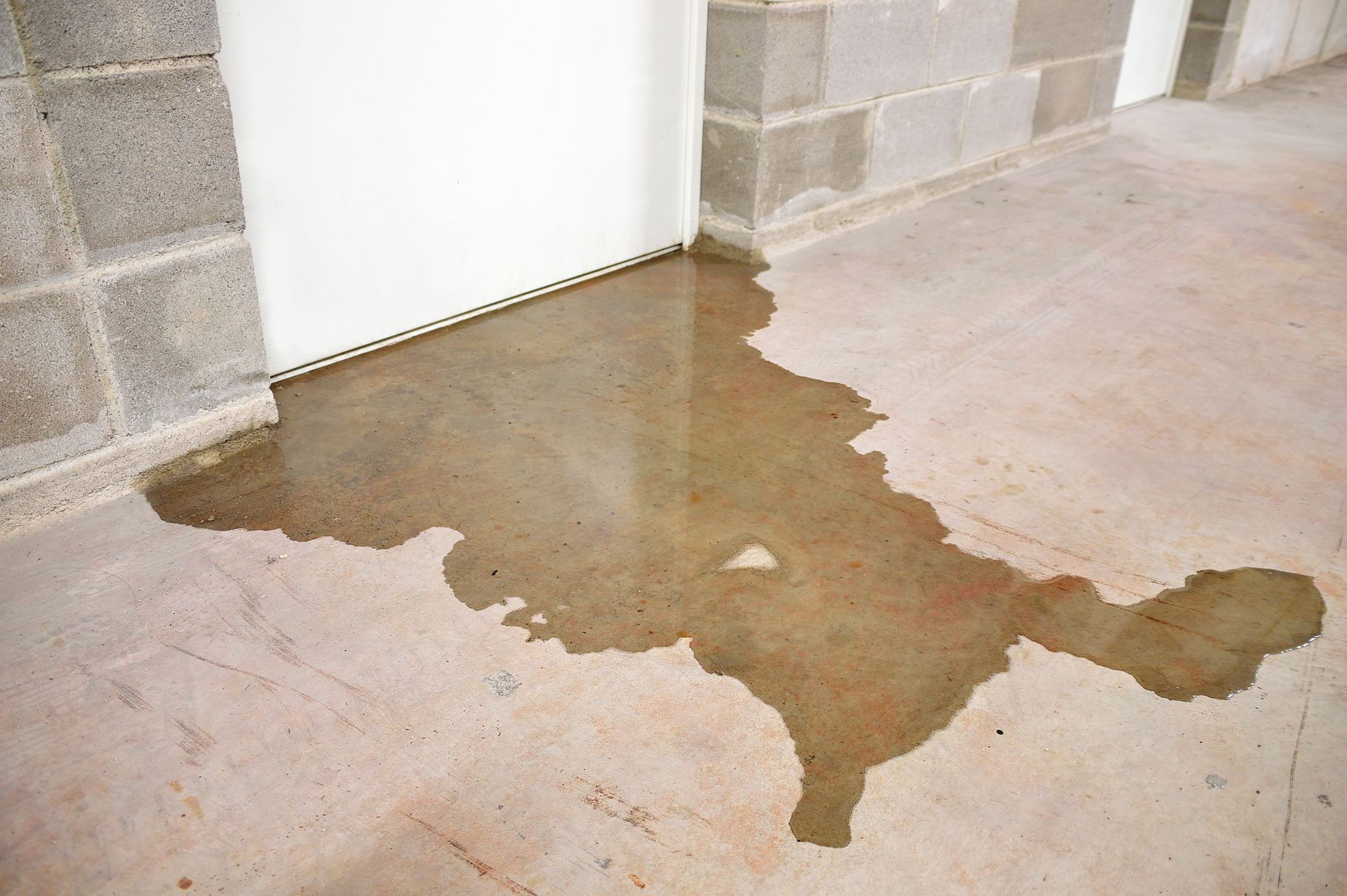
Wastewater backup is among the clearest indications that the drainage system cannot move material away from the property normally. A blockage can restrict the available pathway until incoming wastewater has nowhere else to travel. At that point, it may reverse direction and emerge through low or accessible drains.
A severe main line clog can affect showers, tubs, floor drains, toilets, and other connected fixtures. The exact location of a backup may depend on the plumbing layout, but the larger concern is that wastewater is returning toward the building rather than continuing through the intended drainage route.
Because backup conditions may involve both plumbing and sanitation concerns, professional service is appropriate. Identifying the obstruction and evaluating the condition of the affected line can help determine why wastewater is reversing and what type of corrective work is appropriate.
When Outdoor Areas Begin Showing Drainage Changes
Not every sign of a sewer-line problem appears inside the building. Changes outside the property may also provide clues, particularly when the main drainage line travels underground before reaching a septic or municipal wastewater system.
Unusually wet or soft ground along the approximate path of a sewer line can deserve investigation, especially when there has not been an obvious environmental explanation for the moisture. Persistent odors outdoors may also indicate that wastewater is not remaining contained within the system as intended.
In some circumstances, an apparent main line clog may be connected to a broader pipe problem rather than an obstruction alone. Roots can enter vulnerable piping, underground lines can deteriorate, and structural damage can interfere with normal flow. These conditions may produce symptoms that resemble a conventional blockage while requiring a different response.
When Plumbing Problems Begin Returning Repeatedly
Recurring drainage trouble can be another indication that the underlying problem has not been fully resolved. A fixture may temporarily seem normal before slow drainage, bubbling, odors, or backups return. When this cycle affects multiple parts of the plumbing system, it can suggest a persistent restriction deeper within the drainage network.
Repeated problems may occur because an obstruction remains partially in place or because the pipe itself has a condition that encourages blockages to return. Structural deterioration, root intrusion, or recurring accumulation can all interfere with reliable wastewater flow.
A recurring main line clog should therefore be viewed as a system-level concern rather than a series of unrelated fixture problems. Tracking where symptoms appear and whether several fixtures react together can provide useful information during a professional assessment.
When Professional Evaluation Becomes Necessary
Main sewer lines operate largely out of sight, which makes changes in fixture behavior especially valuable warning signs. Multiple slow drains, gurgling toilets, cross-fixture water movement, sewage odors, backups, outdoor changes, and recurring drainage trouble can all indicate that wastewater is encountering an obstruction or another problem within the system.
No single symptom always confirms the exact cause. The strongest warning often comes from several symptoms occurring together or spreading beyond one fixture. Recognizing that pattern can help property owners avoid treating a system-wide problem as a collection of isolated drain issues.
When warning signs point to a main line clog, timely professional attention can help clarify what is happening within the drainage system and what service may be appropriate. At Reliable Septic & Services, we can evaluate drainage concerns, help identify the source of the problem, and discuss suitable options based on the condition of the system. Contact us when persistent or widespread drainage symptoms suggest that our professional attention may be needed.


Share On: