How Proper Care Keeps Your Septic Tank Working Flawlessly
Maintaining a properly functioning septic system protects your home, prevents unexpected repairs, and preserves the environment. Without routine maintenance, wastewater systems can develop blockages, odors, and drainage problems. Understanding how these systems operate helps homeowners recognize warning signs and make informed maintenance decisions.
At Reliable Septic & Services, we understand the importance of dependable wastewater management. Our team helps homeowners address maintenance concerns, identify problems, and protect their systems through professional septic services. Whether scheduling routine maintenance or responding to drainage concerns, professional attention supports long-term system performance.
Understanding How Septic Systems Work
Identifying the Main System Components
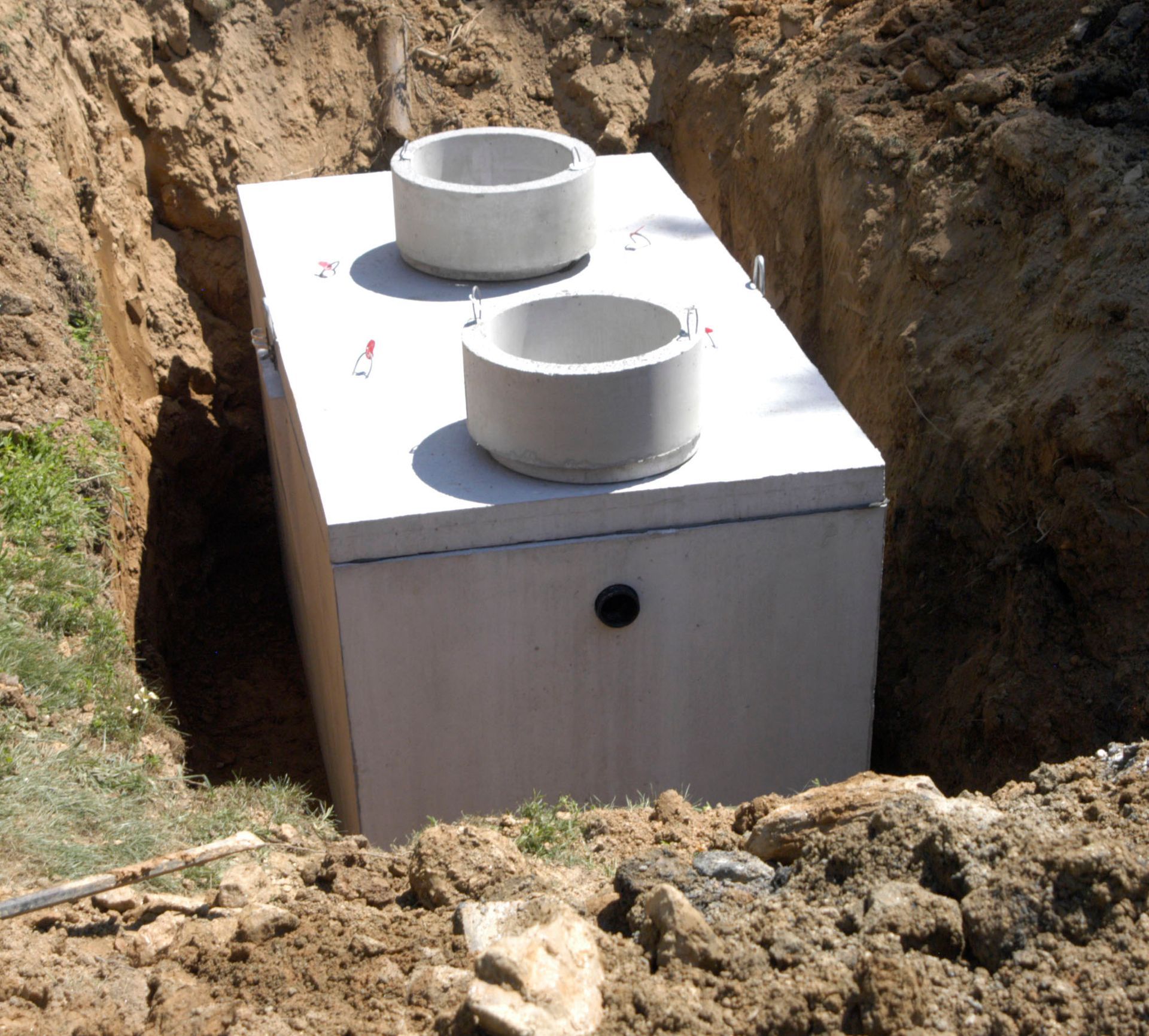
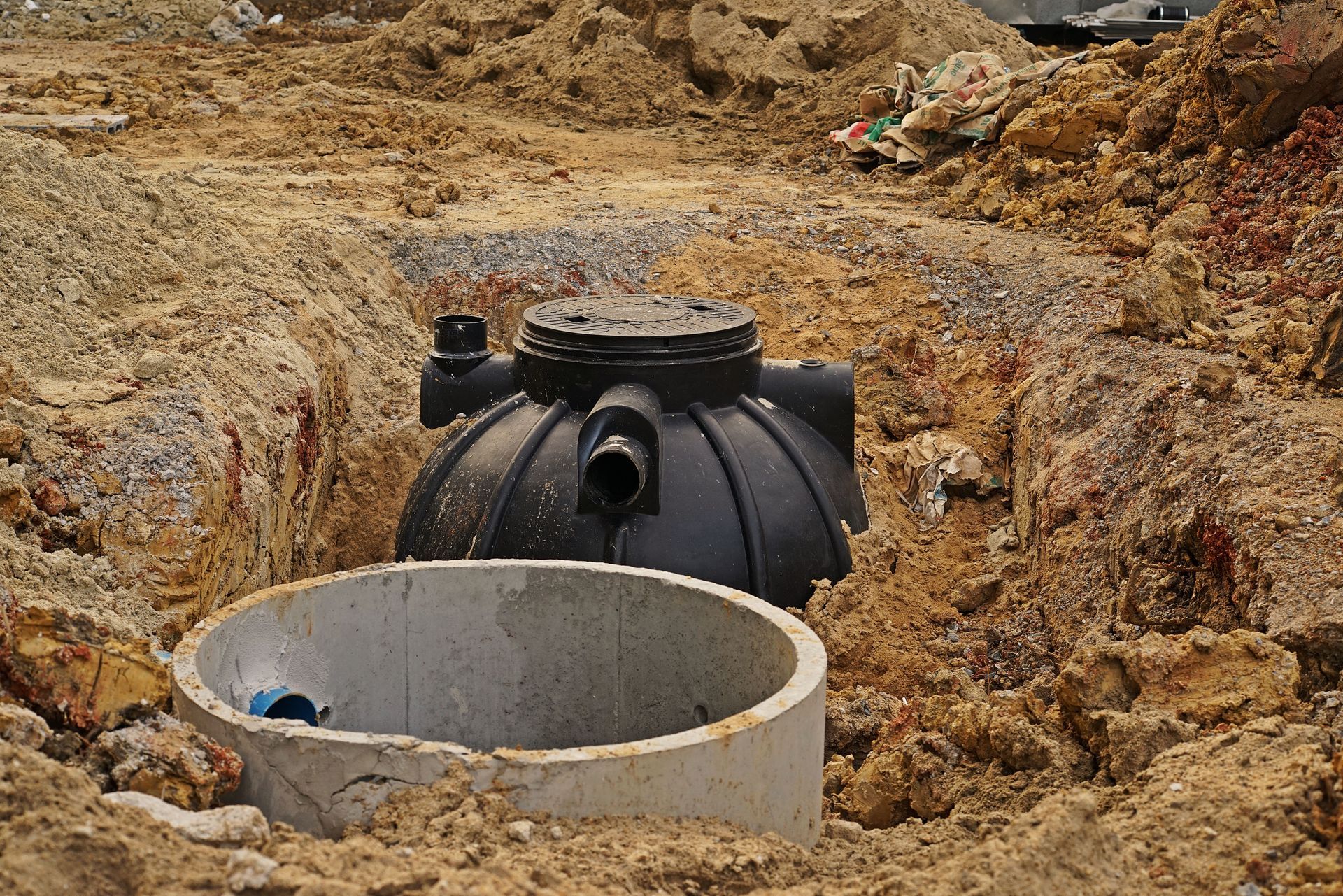
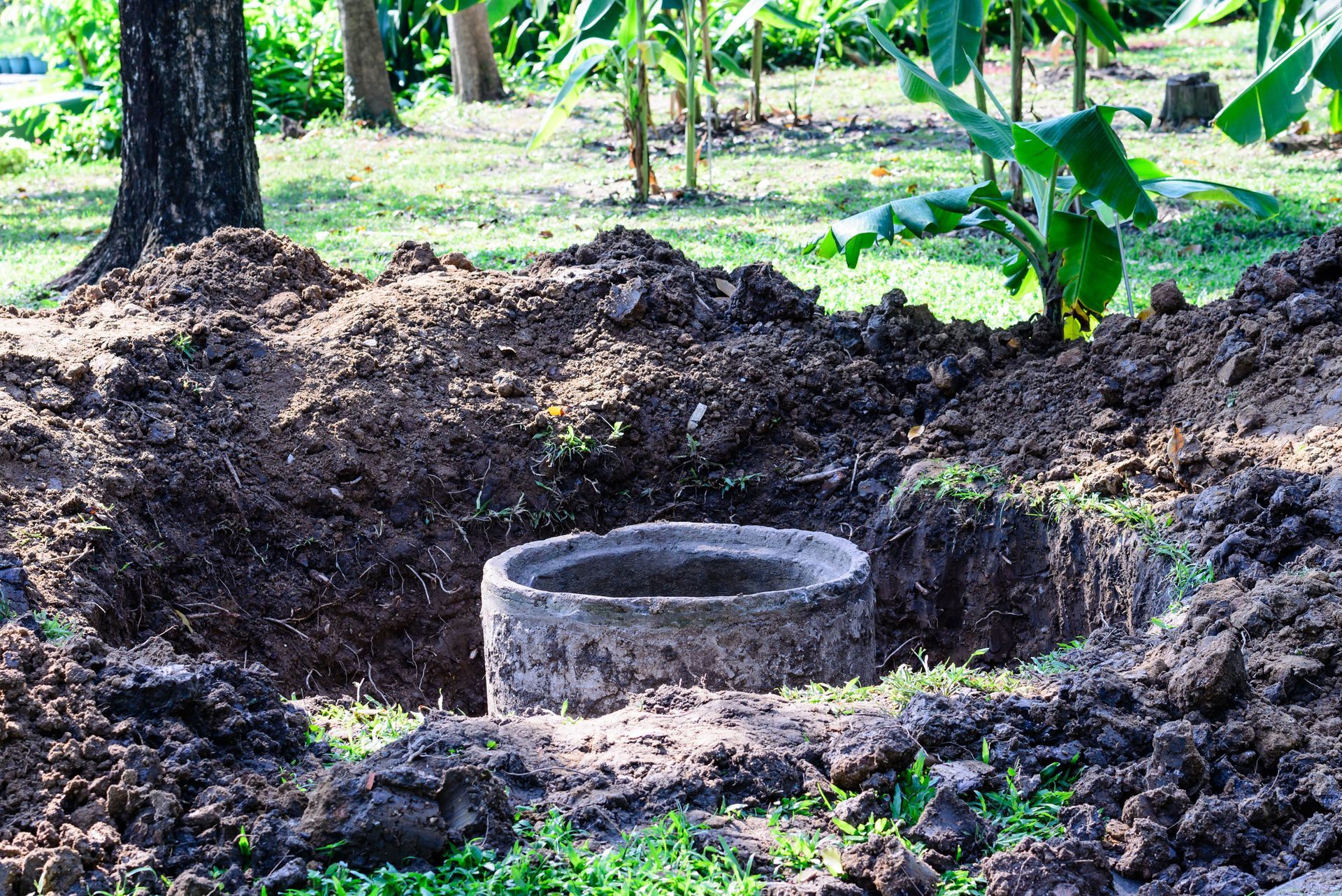
A residential septic system consists of an underground treatment tank, connecting pipes, and a drainfield. Wastewater enters the septic tank, where heavier solids settle at the bottom while oils and grease accumulate near the surface. The remaining liquid flows toward the drainfield for additional treatment.
Each component serves an important purpose. When one section becomes damaged or obstructed, the entire wastewater treatment process may be affected. Understanding these connections helps homeowners recognize why professional maintenance is necessary.
Recognizing Different System Designs
Not every property uses the same wastewater treatment configuration. Conventional gravity-fed systems are common, but some properties require alternative designs because of soil conditions, groundwater levels, or available space.
Chamber systems, mound systems, and aerobic treatment units offer different approaches to wastewater management. Each design has specific maintenance requirements, making professional evaluations valuable when determining service schedules.
Understanding Environmental Responsibilities
According to Growing Blue, approximately 26 million American homes use septic systems. This widespread reliance highlights the importance of responsible wastewater management and consistent maintenance.
Poorly maintained systems can release untreated wastewater into surrounding soil and groundwater. Contamination may affect nearby wells, waterways, and natural habitats. Professional septic services help homeowners protect their properties while supporting environmental health.
Recognizing the Importance of Professional Inspections
Scheduling Inspections at Appropriate Intervals
Regular inspections identify developing problems before they become expensive emergencies. The Environmental Protection Agency generally recommends inspecting household septic systems at least every three years, although certain systems require more frequent attention.
Regular septic tank inspections also help homeowners understand how seasonal changes and household water usage affect system performance. Household size, wastewater volume, equipment condition, and system design influence inspection frequency. Our team at Reliable Septic & Services can help homeowners recognize when professional attention is appropriate.
Evaluating Critical System Components
During a professional inspection, technicians assess accessible components and identify potential performance concerns. Evaluations may include examining sludge accumulation, checking inlet and outlet structures, and assessing signs of drainfield problems.
An inspection can reveal damaged connections, restricted wastewater movement, or equipment deterioration. These findings help determine whether pumping, repairs, or additional diagnostic services are necessary.
Preventing Expensive Emergency Repairs
Small wastewater problems can become major concerns when ignored. A deteriorating outlet component, for example, may allow solids to enter areas designed primarily for liquid wastewater.
Addressing these issues early can reduce expensive repairs. Professional inspections provide information about system condition and help homeowners make informed maintenance decisions.
Following Effective Routine Maintenance Practices
Scheduling Professional Pumping Services
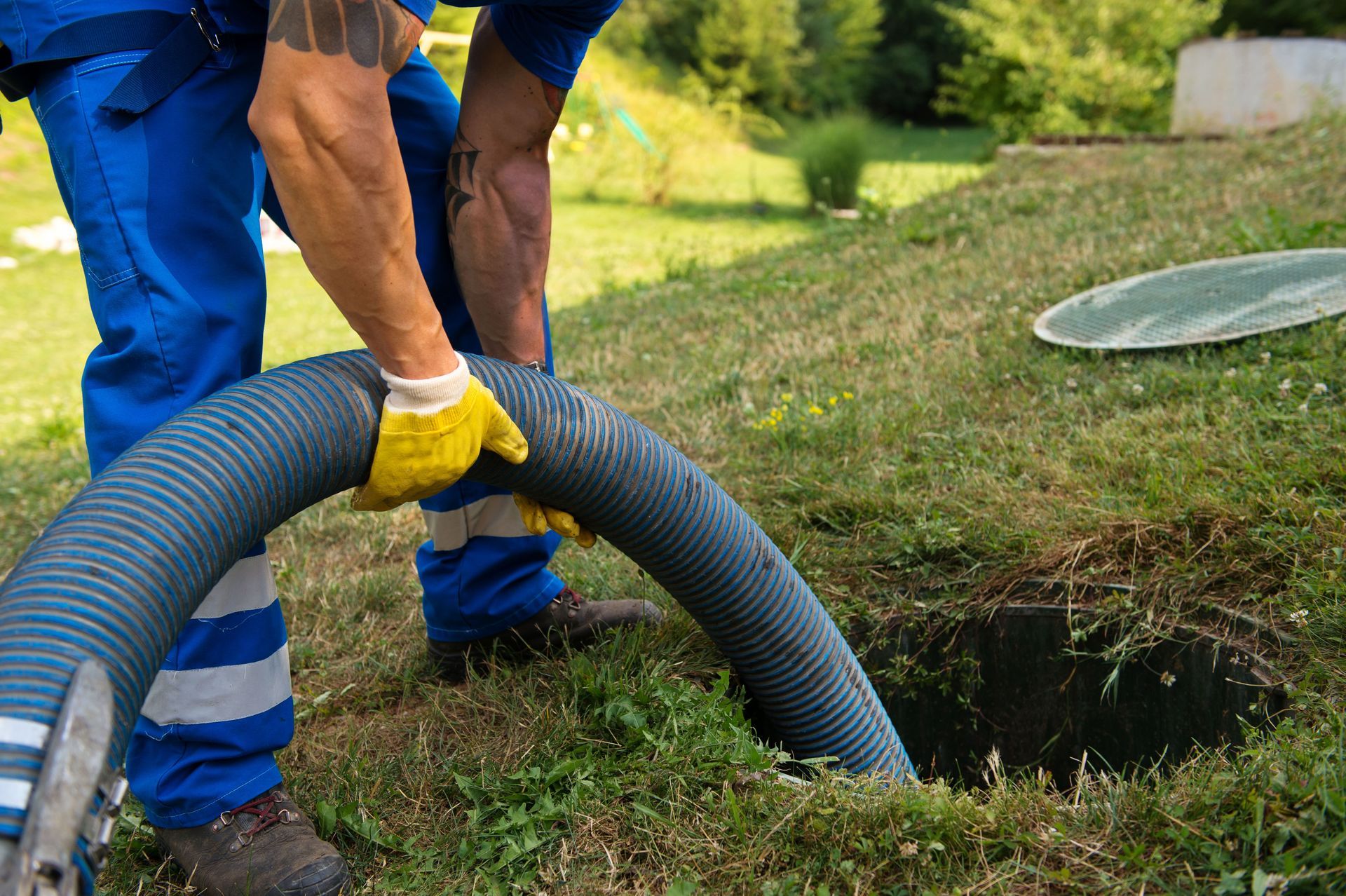
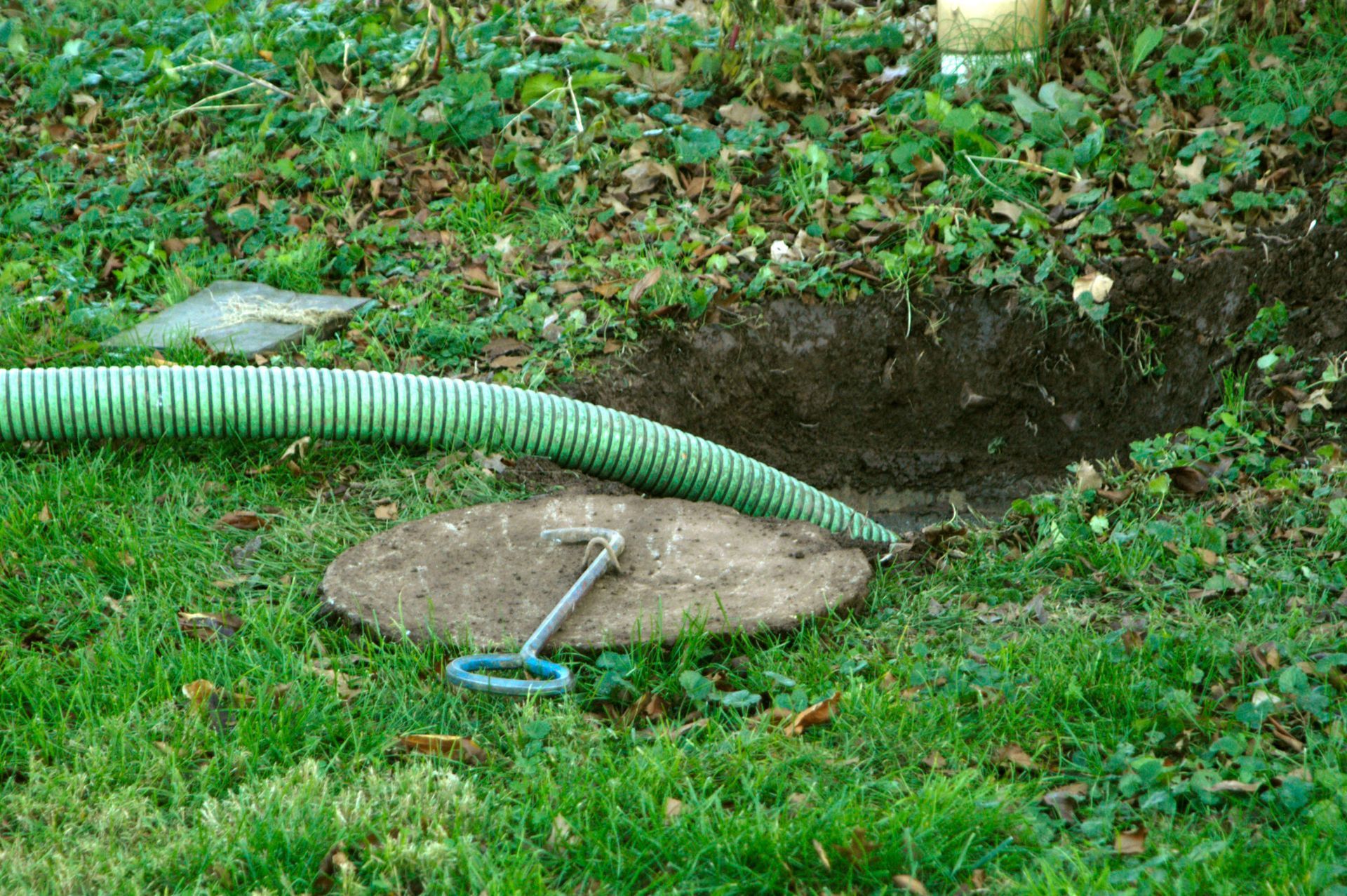
Routine pumping removes accumulated sludge and floating materials before they interfere with wastewater treatment. The EPA generally recommends pumping household septic systems every three to five years, depending on tank capacity, household size, and wastewater generation.
A septic tank that accumulates excessive solids may allow material to reach the drainfield, increasing the risk of blockages. Professional pumping helps manage these materials and supports reliable system operation.
Managing Household Waste Disposal
Household disposal habits influence wastewater system performance. Items such as disposable wipes, diapers, sanitary products, and cooking grease can contribute to obstructions or interfere with normal treatment processes.
Proper disposal habits reduce unnecessary strain on the septic tank and help prevent maintenance problems. Even products marketed as flushable may create problems in wastewater systems. Homeowners should reserve toilets for human waste and toilet paper while disposing of other materials appropriately.
Controlling Excessive Water Consumption
Excessive wastewater volume can overwhelm treatment systems and reduce the time available for solids to settle. Leaking plumbing fixtures, inefficient appliances, and high household water consumption may contribute to these conditions.
Water-efficient fixtures and appliances reduce unnecessary wastewater generation. Homeowners experiencing unexplained increases in water usage should arrange plumbing evaluations to identify potential leaks.
Avoiding Unnecessary Chemical Additives
Some homeowners believe bacterial additives are essential for maintaining wastewater treatment systems. However, properly functioning systems generally contain naturally occurring microorganisms that break down organic waste.
The EPA does not recommend routine septic additives because their effectiveness is uncertain and some products may cause problems. Professional maintenance remains the preferred approach for managing accumulated solids and addressing treatment concerns.
Protecting Septic Systems From Preventable Damage
Maintaining Appropriate Drainfield Landscaping
Landscaping decisions can influence underground wastewater infrastructure. Tree roots may invade pipes, while heavy equipment can compact soil and damage buried components.
Drainfields should remain protected from vehicle traffic, construction activity, and inappropriate landscaping installations. Homeowners planning property improvements should consult qualified professionals before disturbing areas containing wastewater infrastructure.
Maintaining Proper Effluent Filtration
Effluent filters help prevent suspended solids from entering the drainfield. These components provide additional protection against materials that might otherwise obstruct wastewater distribution.
Filters require periodic professional cleaning and inspection. During maintenance visits, technicians can determine whether filtration components are functioning properly or require replacement.
Monitoring Drainfield Performance
Drainfield performance is essential to effective wastewater treatment. Standing water, persistent odors, or unusually saturated ground may indicate that wastewater is not dispersing properly.
A properly maintained septic tank helps limit the amount of solid waste reaching the drainfield, supporting more effective wastewater treatment. These warning signs require professional evaluation. Identifying the cause helps determine whether repairs or additional services are necessary.
Addressing Common Septic System Problems
Responding to Slow Household Drains
Slow drains can develop from localized plumbing obstructions or broader wastewater system problems. When several fixtures drain poorly simultaneously, an issue affecting the main drainage system may be responsible.
A full septic tank or obstructed wastewater line can also contribute to drainage difficulties. Professional diagnostics help distinguish plumbing concerns from problems requiring specialized wastewater services.
Investigating Persistent Wastewater Odors
Unpleasant odors near drains, outdoor treatment components, or the drainfield should not be ignored. These smells may indicate ventilation problems, wastewater leakage, or system overload.
At Reliable Septic & Services, we encourage homeowners to seek professional assistance when persistent odors develop. Identifying their source helps prevent recurring problems and supports safer property conditions.
Addressing Wastewater Backups Promptly
Wastewater backups require immediate attention because they can expose occupants to harmful microorganisms and contaminate interior surfaces. Common contributing factors include blocked pipes, excessive sludge accumulation, and drainfield failures.
When sewage begins backing up, homeowners should minimize water usage and contact qualified professionals. They should avoid contact with contaminated materials until appropriate remediation can be arranged.
Correcting Recurring System Malfunctions
Repeated drainage problems may indicate an underlying issue that routine pumping alone cannot resolve. Damaged pipes, unsuitable drainage conditions, or malfunctioning mechanical equipment may require specialized repairs.
A professional assessment can identify the likely cause and establish an appropriate corrective plan. Addressing the problem helps reduce repeated service disruptions and unnecessary expenses.
Supporting Long-Term Septic System Performance
Practicing Responsible Water Conservation
Responsible water consumption benefits household wastewater systems and the environment. Reducing unnecessary wastewater volume helps maintain manageable treatment conditions and decreases pressure on drainage infrastructure.
Efficient appliances and prompt plumbing repairs support these goals. Consistent water conservation also contributes to lower utility expenses and more sustainable household operations.
Keeping Accurate Maintenance Records
Maintenance records provide information about system history, previous repairs, pumping intervals, and inspection findings. These documents help professionals understand recurring issues and recommend future services.
Documenting each septic tank service appointment makes it easier to establish consistent maintenance schedules and identify recurring concerns. Records can also be useful during property transactions when buyers request information about wastewater infrastructure.
Partnering With Experienced Septic Professionals
Long-term wastewater system reliability depends on appropriate maintenance, timely inspections, and professional attention when problems arise. Every property has different conditions, making individualized service recommendations important.
Reliable Septic & Services is committed to helping homeowners understand their wastewater systems and address maintenance concerns with confidence. Whether you need routine pumping, an inspection, or assistance with a developing problem, our team is ready to help.
Contact Reliable Septic & Services today to discuss your septic tank maintenance needs and protect your home's wastewater system.


Share On: