How to Choose the Correct Septic Tank Size for Your Household Needs
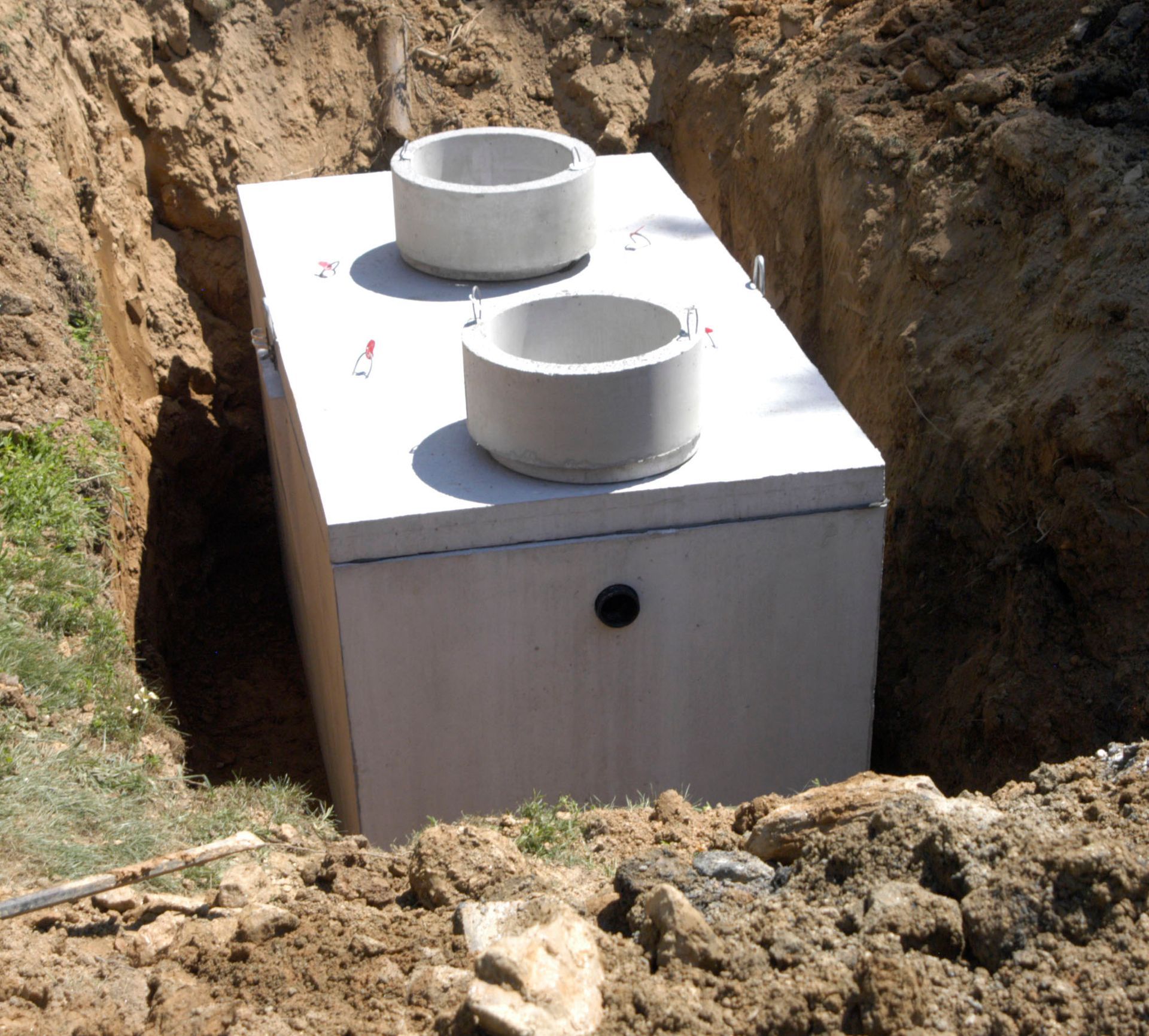
Selecting the appropriate waste storage capacity represents a pivotal decision for any property owner preparing for new construction or upgrading existing sanitation infrastructure. When an underground container lacks adequate volume, liquid waste surges through the chamber without allowing solid debris sufficient settling duration. This hurried transition leads to blocked drain lines, persistent biological odors, and dangerous domestic plumbing failures. Conversely, selecting a vessel with excessive volume can disrupt natural biological breakdown, as insufficient nutrient density slows the bacterial colonies needed for decomposition. Modern septic systems depend on balanced flow dynamics to treat domestic wastewater safely before returning purified moisture to the surrounding environment. Choosing an ideal capacity safeguards drinking wells, protects local waterways, and spares homeowners from catastrophic ground saturation. According to WWEMA.org, every year a quarter of the U.S. population discharges an astounding one trillion gallons of raw, untreated wastewater and other toxic materials into more than 21 million septic tanks, nearly half of which do not function properly. Understanding key sizing criteria ensures your residence avoids these common failures while maintaining dependable sanitary performance.
Evaluating Domestic Water Usage
Determining appropriate capacity begins with examining daily water habits throughout the residence. Every routine chore, from operating laundry appliances to running dishwashers, introduces substantial liquid volume into the subterranean collection basin. Homes where occupants take prolonged showers or generate frequent laundry cycles place continuous hydrostatic pressure on the subterranean tank. When multiple high-volume fixtures operate concurrently, the surge can easily overwhelm an undersized reservoir. Modern septic systems require a calm internal environment to facilitate gravity separation, where heavy organic solids sink while lighter oils drift toward the surface. Excessive water velocity disturbs this layering process, pushing untreated suspended particles directly into the absorption field.
Water conservation fixtures can mitigate daily volume, yet calculating storage requirements demands planning for maximum hydraulic demand rather than conservative averages. High-efficiency washing machines, low-flow plumbing fixtures, and aerated faucets significantly reduce daily drainage stress. However, weekend gatherings, visiting guests, or holiday celebrations can suddenly amplify household output without warning. Designing residential septic systems around bare minimum consumption rates often results in unexpected plumbing disasters during periods of high usage. Property planners must evaluate peak domestic discharge scenarios to guarantee the holding chamber handles sudden influxes gracefully. Selecting generous proportions preserves structural efficiency and prevents expensive restorative repairs down the road.
Counting Total Bedroom Spaces
Regulatory agencies and sanitary engineers rely heavily on bedroom tallies rather than current resident counts when establishing minimum legal holding volumes. While a home might currently house only a small family, building codes recognize that future buyers may occupy every available sleeping area. Appraisers and municipal officials treat each designated bedroom as a baseline for potential daily wastewater generation. Therefore, evaluating your home through the lens of maximum sleeping capacity provides the standard formula for capacity selection. Choosing smaller containers based solely on present occupancy frequently leads to noncompliance issues during future property transactions. A home built to accommodate multiple residents requires proportionate waste storage regardless of current living arrangements.
Unconventional living spaces also impact overall capacity calculations during the initial planning phase. Bonus rooms, finished attics, private libraries, and home offices often feature closets or attached bathrooms that classify them as potential sleeping quarters under local building statutes. Overlooking these flexible spaces can lead to an undersized installation that violates regional sanitary codes. Furthermore, properly configured septic systems maintain higher home resale values because prospective purchasers gain assurance that the wastewater infrastructure meets stringent legal standards. Accurately assessing every room capable of supporting overnight occupants ensures the selected tank accommodates full residential capacity comfortably.
Anticipating Future Property Additions
Forward-thinking homeowners recognize that residential needs continually evolve over the lifespan of a house. Growing families, aging parents moving into attached suites, or finishing an expansive basement can suddenly increase daily wastewater discharge. Replacing an underground reservoir after completing structural renovations involves significant expense and disruptive excavation across mature landscaping. Considering future domestic growth before purchasing a holding tank prevents the premature obsolescence of your sanitary infrastructure. Sizing your wastewater vessel with future expansions in mind eliminates the logistical nightmare of repeating excavation permits, hiring heavy machinery, and tearing up yards again later.
Beyond structural home additions, outdoor amenities can also influence required underground volume. Incorporating pool houses, detached workshops with plumbing, or external wash stations directs additional greywater toward your primary drainage system. Integrating these auxiliary sources into existing septic systems requires sufficient reserve capacity within the main settling chamber. Selecting an expanded container during initial installation provides the necessary leeway to absorb extra fluid without necessitating a complete infrastructure overhaul. This proactive investment safeguards property value while providing total flexibility for subsequent architectural enhancements.
Reviewing Regional Building Codes
Local governance plays a definitive role in establishing mandatory capacity thresholds for domestic wastewater management. Health departments and municipal environmental boards enforce strict minimum standards designed to protect public groundwater reserves from biohazard contamination. These mandates vary widely between geographic jurisdictions based on local topography, proximity to surface waters, and prevailing climate conditions. Homeowners cannot simply pick arbitrary dimensions from commercial catalogs without obtaining official regulatory permits. Aligning your purchasing decisions with jurisdictional statutes ensures your domestic septic systems fulfill every legal prerequisite prior to excavation.
Municipal ordinances frequently require detailed engineering submissions before granting installation permits for residential waste treatment. Certified technicians submit comprehensive site diagrams illustrating exact setbacks from property boundaries, freshwater wells, and adjacent structures. Ignoring statutory volume requirements risks severe financial penalties, stop-work orders, and potential denial of residential occupancy certificates. Consulting with knowledgeable sanitary authorities ensures your chosen holding vessel satisfies or exceeds baseline local guidelines. Adhering strictly to regional directives guarantees long-term compliance and protects neighboring ecosystems from harmful wastewater seepage.
Analyzing Native Soil Profiles
The natural earth surrounding your home acts as the ultimate biological filter for clarified wastewater effluent. Before choosing tank dimensions, technicians perform thorough soil percolation evaluations to determine how quickly ground layers absorb moisture. Dense clay soils retain moisture stubbornly, slowing percolation rates and demanding larger settling capacities to regulate effluent dispersal. Conversely, sandy or gravelly terrain drains rapidly, requiring specific flow controls to ensure adequate soil filtration occurs. The efficiency of residential septic systems relies entirely on this harmonious interaction between underground retention vessels and natural soil permeability.
High groundwater tables or shallow subterranean bedrock layers present additional design hurdles that affect overall component sizing. In areas with seasonal flooding or elevated subterranean water levels, undersized vessels risk structural shifting or catastrophic infiltration from external hydrostatic pressure. Selecting a properly proportioned container ensures sufficient weight and volume stability against rising groundwater forces. Pairing appropriate chamber capacities with native geological conditions guarantees that clarified effluent disperses across the absorption area without pooling above ground. Thorough subterranean analysis guarantees that your underground equipment functions reliably through every seasonal weather pattern.
Choosing the right tank capacity requires balancing daily water habits, potential household growth, local regulatory codes, and geological site conditions. Cutting corners on storage volume frequently leads to system failure, foul environmental contamination, and exorbitant replacement costs. A well-chosen holding reservoir quietly protects household hygiene, preserves local groundwater supplies, and maintains property value over generations. Reliable septic systems provide peace of mind, functioning seamlessly beneath the soil while your family enjoys daily domestic comforts. Taking the time to evaluate every relevant design factor ensures your home remains safe, compliant, and environmentally responsible. If you want experienced guidance in selecting the ideal system for your property, the team at Reliable Septic & Services is always here to help you get started.






Share On: