Soggy Lawn? It Might Be Your Drain Field
A soggy lawn can be a common nuisance for many homeowners, leading to muddy shoes, dead grass, and unsightly landscapes. While poor weather conditions or overwatering are often blamed, there are deeper issues that may lurk beneath the surface. This article focuses on the possibility that a failing drain field in your septic system could be a leading cause of your soggy lawn and what you can do about it, including when to schedule septic service.
The state of one's yard can reflect the underlying health of a home's septic system. Areas that consistently remain wet or swampy might signal a malfunction in the drainage system, making septic service an important next step. Identifying the cause appropriately can save homeowners significant time and repair costs down the line.
Identifying the cause appropriately can save homeowners significant time and repair costs down the line. This article will delve into the intricacies of drain fields, highlighting common causes of failure, diagnosis approaches, temporary fixes, and sustainable long-term solutions, emphasizing the importance of septic service and maintenance practices.
Understanding Your Drain Field
What is a Drain Field?
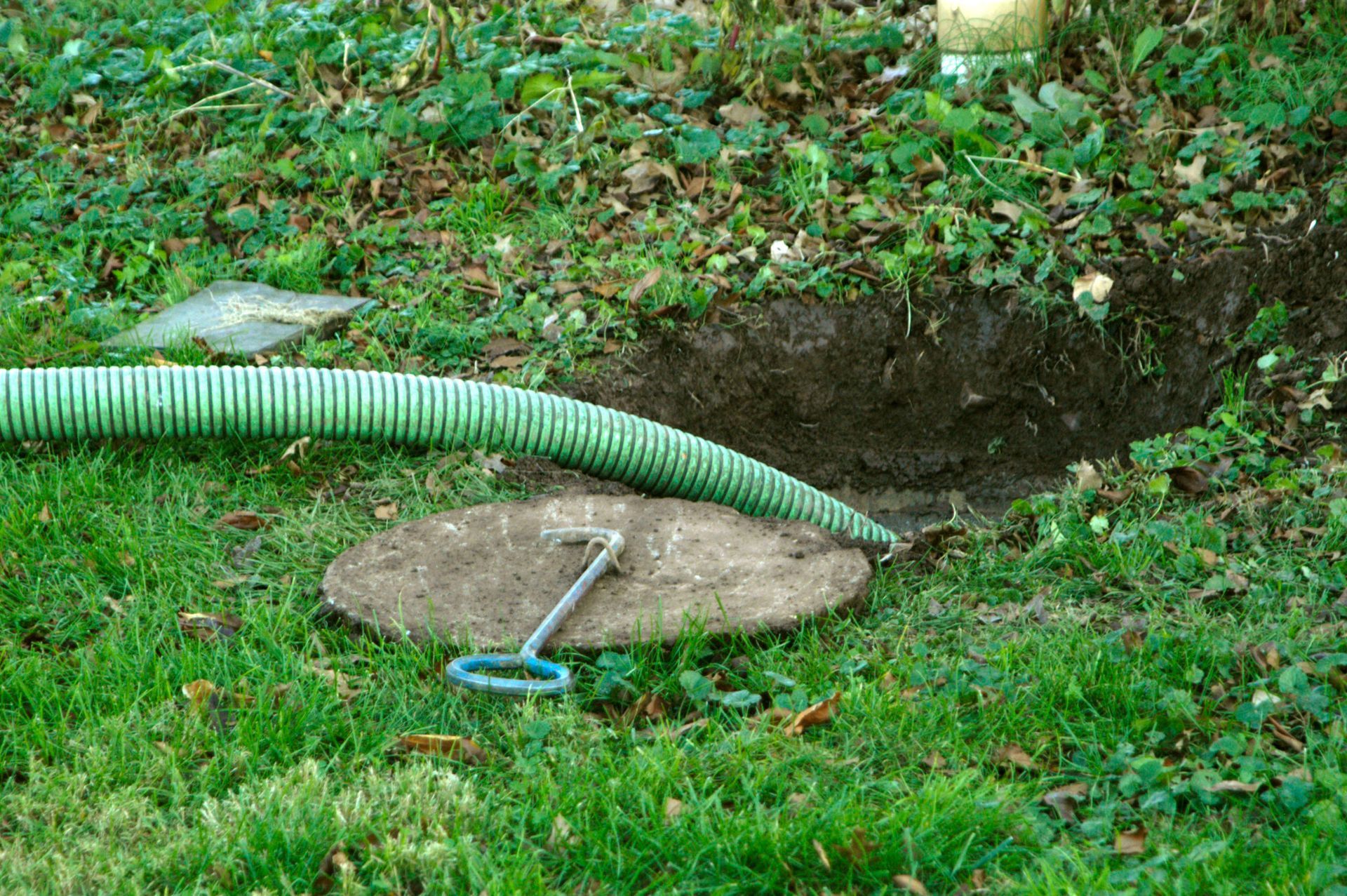
A drain field, often referred to as a leach field, is a critical component of a septic system. It is designed to remove contaminants and impurities from the liquid that emerges from the septic tank. The drain field consists of a network of perforated pipes or tiles that allow wastewater to be evenly distributed. This wastewater then percolates through the soil, a natural filter that treats and purifies it. Without a properly functioning drain field, wastewater can back up, leading to soggy areas in the lawn or worse, health hazards.
Choosing the correct size and location for a drain field is pivotal for its efficiency and longevity. The soil type, water table, and local regulations play vital roles in determining the correct specifications for the installation. Fields that are undersized might quickly become overwhelmed, while areas with clay-heavy soil might impede the natural filtering process. There's a delicate balance that must be maintained to ensure that wastewater can seep away efficiently. Homeowners should be aware of the signs that might indicate their drain field is not functioning as intended.
A key indicator of a failing drain field is persistent wet patches in the yard, even during dry spells. This can be accompanied by foul odors, slow drains in the house, or even backups in the plumbing. Addressing these symptoms quickly can prevent further degradation of the system. Ignoring such warnings can lead to severe damage, both to the property and potentially, the surrounding environment. According to the EPA, 53% of septic systems did not pass inspection in 2021, underscoring the importance of regular checks, maintenance, and dependable septic service.
The Role of a Drain Field in a Septic System
The drain field serves as the final step in treating wastewater before it returns to the environment. After solids settle in the septic tank, liquid wastewater known as effluent flows to the drain field. There, through a combination of mechanical, chemical, and biological processes, the effluent is further purified. Soil layers act as natural bio-filters, breaking down harmful pathogens and microorganisms. This final treatment step is crucial for protecting groundwater from contamination.
Since the primary role of the drain field is treatment and disposal, its health directly impacts the larger septic system. If the field cannot adequately manage the liquid input, it can lead to backups in the system. This might cause strain on the septic tank and plumbing fixtures inside the house. Furthermore, an inefficient drain field can stress out the natural breakdown processes, leading to a faster accumulation of sludge. Regular inspection and maintenance of the system can make sure these processes are balanced and effective.
The interconnected nature of the septic system components means one part's failure can influence the entirety. Homeowners should be proactive in observing their drain fields and septic tanks. Regular septic service checks are not only recommended but also should be a part of an annual home care routine. Keeping records of septic pumping, repairs, and inspections can assist in diagnosing potential issues early. Understanding the role of the drain field and ensuring it operates correctly preserves the overall health of the home's wastewater management system.
Components and Design Considerations
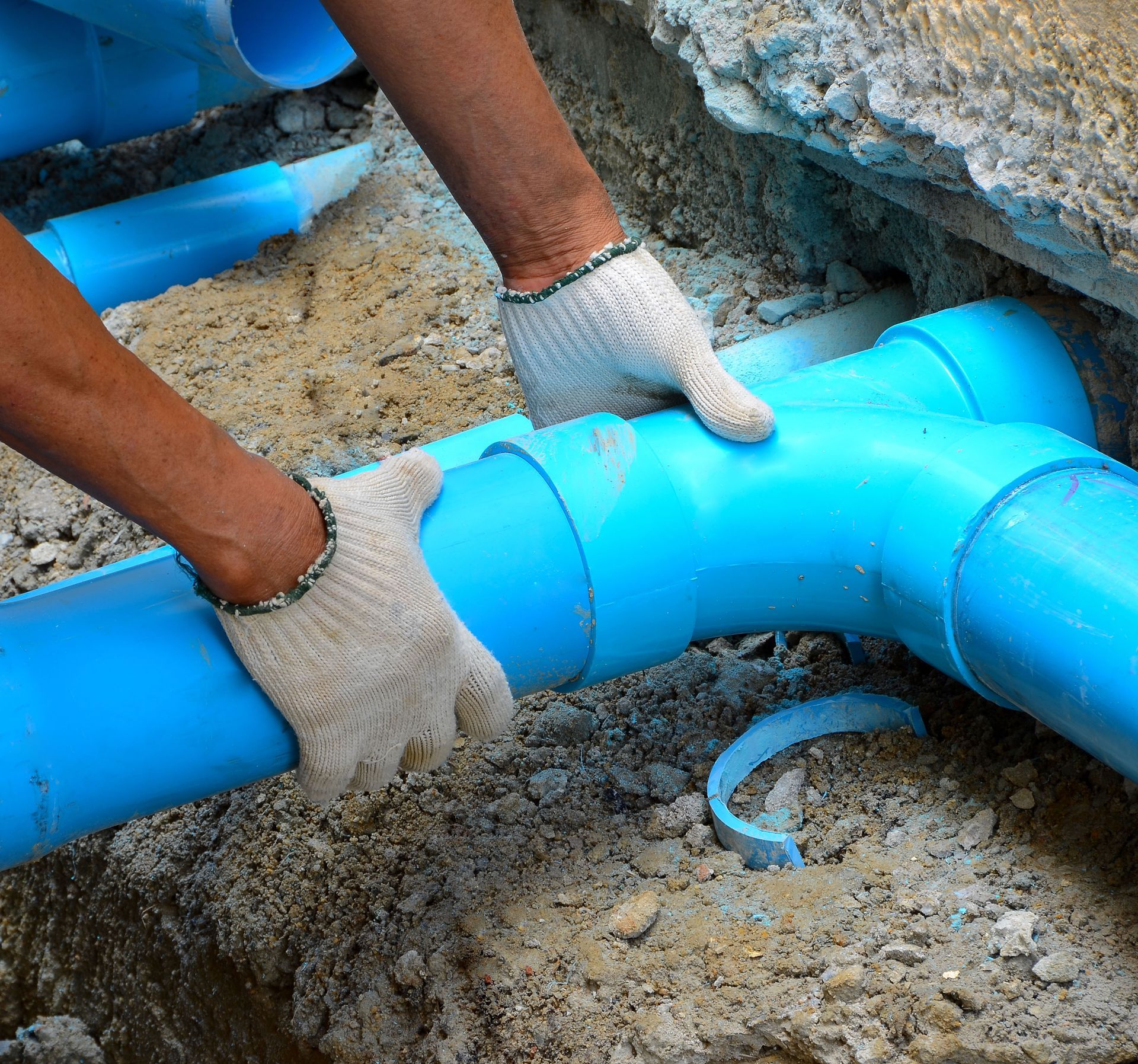
Designing a drain field involves multiple factors to ensure its effective operation and longevity. The arrangement of pipes, the choice of gravel or other permeable materials, and the type of soil in which the system is installed all greatly affect functionality. The absorption rate of the soil is crucial; sandy soils often work best, allowing efficient filtration. Conversely, clay soils present challenges due to their propensity to hold water, potentially leading to backups and reduced efficiency. Thorough site evaluations and soil assessments are indispensable in the planning stages.
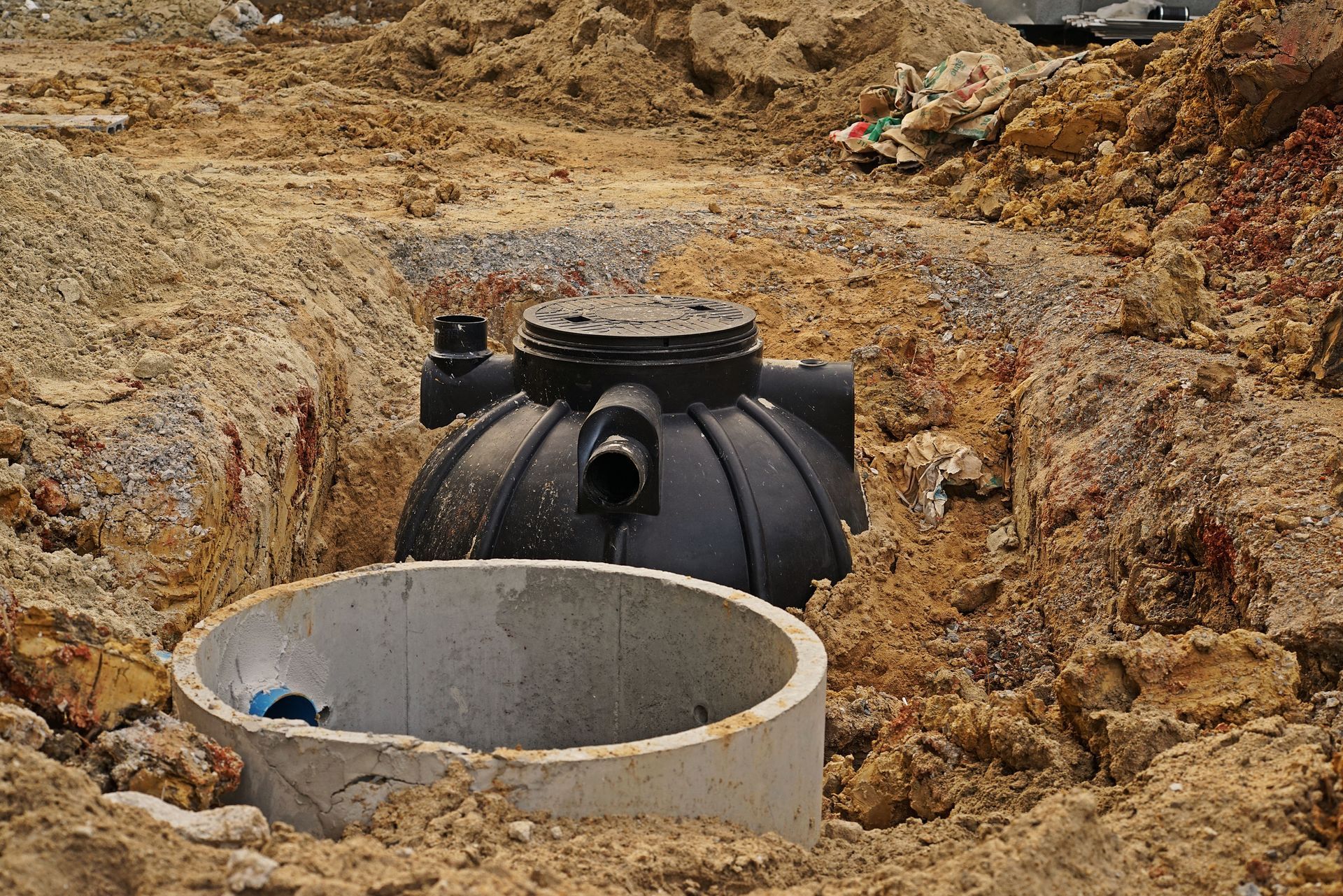
Drain fields can include various components aside from the pipe network and soil treatment layers. Chambers, sand filters, and aerobic units may be employed to increase treatment efficiency. The topography, climate, and available space can impact the design choices, often dictated by local environmental and health guidelines. Balancing these considerations ensures the field can handle expected effluent loads without complications. Proper design decisions extend the life of the system and help to avoid costly future repairs.
Signs of a Failing Drain Field
A failing drain field can exhibit numerous signs, the most noticeable being a perpetually wet or soggy lawn. This persistent dampness often harbors a foul odor resembling sewage, alerting homeowners to the effluent surfacing. Indoor symptoms may include unusually slow drains, gurgling sounds in plumbing, or even sewage backups. These signs shouldn't be ignored, as they signal an overwhelmed or malfunctioning system. Failure to act promptly can result in severe damage and costly repairs.
Surface water or puddling in the lawn is a clear indicator of drainage issues. If the field can't absorb effluent rapidly enough, water rises to the surface. This standing water can damage grass and plants, leading to patchy, unattractive lawns. Additionally, effluent exposure poses health risks, especially if children or pets play in the yard. Ensuring the drain field operates as expected minimizes these health and safety hazards.
As symptoms become more severe, the potential for environmental contamination rises. A malfunctioning drain field may allow untreated wastewater to leach into groundwater supplies, compromising water quality. Homeowners must recognize these signs and take immediate corrective measures. Inspections and potential repairs should only be handled by qualified septic service professionals who can assess the situation appropriately. An understanding of these warning signs allows for swift action, preserving both the home and local environment.
Natural Wear and Tear
The aging process of drain fields might manifest as diminished absorption rates, leading to prolonged dampness or pooling. Even under ideal conditions, systems slowly degrade over decades, necessitating eventual replacements or upgrades. According to Forbes, a septic tank can typically last between 20 and 40 years, but that lifespan depends heavily on proper care, soil conditions, usage habits, and regular septic service. Recognizing and anticipating these timelines allows homeowners to prepare financially for future infrastructure needs. Addressing these natural factors in advance ensures continuous system functionality and protects home investments.
A soggy lawn may seem like a simple drainage issue, but it can be an early warning sign of a failing drain field. When wet spots, odors, slow drains, or plumbing backups appear, homeowners should take the issue seriously before it becomes more expensive to fix. Regular inspections, careful water use, and routine septic service can help protect the drain field and extend the life of the entire system.
By understanding how drain fields work and what causes them to fail, homeowners can make better decisions about maintenance and repairs. Professional septic service provides the insight needed to identify problems early, restore proper function, and reduce the risk of property damage or environmental contamination. With the right care, your septic system can continue working safely and efficiently for years to come. To learn more, contact Reliable Septic & Services today.



Share On: