How Land Clearing Prepares Your Property for Construction
Land clearing is one of the most important early stages in preparing any property for construction. It involves removing trees, brush, rocks, and other obstacles that can interfere with building plans and site safety. Without proper clearing, construction crews may face delays, safety hazards, and unexpected costs that could have been avoided with better preparation.
A properly cleared site creates a stable, accessible foundation where design plans can be executed efficiently. It also helps ensure that heavy equipment can move freely without obstruction or risk of damage. In many cases, the condition of the land determines how smoothly the rest of the project will progress. This makes clearing not just a preliminary task but a foundational part of the entire construction timeline. With the right approach, land clearing sets the tone for everything that follows in the development process.
Planning and Assessment in Construction Readiness
Site preparation is a foundational step in any construction project, and it begins with understanding the condition of the land before work starts. At its core, this phase includes clearing vegetation, removing debris, and reshaping the terrain to create a stable base for building. The process of land clearing often involves removing trees, brush, stumps, rocks, and other natural obstacles that may interfere with construction activities.
Beyond simply making space, it also ensures that the soil is properly evaluated and prepared for future structural loads. Contractors must also assess drainage patterns to prevent water accumulation that could compromise foundations later. Proper planning during this stage reduces unexpected complications that may arise once construction begins. It also helps project managers estimate timelines more accurately and allocate resources effectively. Additionally, early planning allows teams to coordinate machinery, labor, and materials in a way that avoids unnecessary downtime and confusion.
Safety Improvements and Site Accessibility Benefits
Safety is one of the most important considerations on any construction site, and proper preparation plays a major role in minimizing risks. A properly executed land clearing process removes hazards such as unstable trees, hidden stumps, and uneven ground that could lead to accidents. It also improves visibility across the site, allowing workers to navigate the area more confidently and efficiently. Heavy machinery can operate more safely when obstacles are removed in advance, reducing the risk of collisions or equipment damage.
In addition, a clear site allows emergency vehicles and personnel to access all areas without obstruction if needed. Accessibility is equally important because construction materials must be delivered and distributed efficiently throughout the site. When pathways are open and terrain is leveled, transportation becomes faster and more organized. Reliable Septic & Services emphasizes that safer, more accessible job sites lead to fewer delays and smoother project execution overall. This stage also helps reduce liability risks and improves coordination between contractors and site managers.
Environmental Responsibility During Land Preparation
Environmental responsibility is a key consideration in modern construction planning, especially when preparing raw land for development. The process of land clearing must be approached with care to minimize disruption to surrounding ecosystems and wildlife habitats. Selective removal of vegetation is often used to preserve valuable trees and maintain natural balance wherever possible. Soil stability is another important concern, as improper clearing can lead to erosion and sediment runoff into nearby water sources.
Responsible contractors use techniques that reduce environmental impact while still achieving project goals. Waste materials such as branches and organic debris can often be repurposed into mulch or compost, reducing landfill contributions. Equipment choices also matter, as modern machinery is designed to reduce emissions and improve fuel efficiency. By prioritizing sustainability, developers can ensure that construction projects align with environmental regulations and long-term ecological health. These practices help balance development needs with responsible land stewardship.
Construction Efficiency and Workflow Optimization
Efficient construction depends heavily on how well the site has been prepared before building begins. When land clearing is completed correctly, construction crews can move directly into excavation and foundation work without unnecessary interruptions. This reduces downtime and helps projects stay on schedule and within budget. Planning also involves mapping out utility lines, access roads, and drainage systems before heavy construction begins.
Without proper preparation, crews may need to pause work to address unexpected obstacles, which increases labor costs and delays completion. A well-prepared site allows for better coordination between subcontractors, improving overall productivity. Equipment can be positioned more effectively, and materials can be stored safely without cluttering the workspace. Reliable Septic & Services supports efficient project flow by ensuring that sites are fully prepared before construction begins, helping developers avoid costly setbacks. This level of preparation also reduces miscommunication and improves jobsite organization.
Tools, Equipment, and Modern Clearing Methods
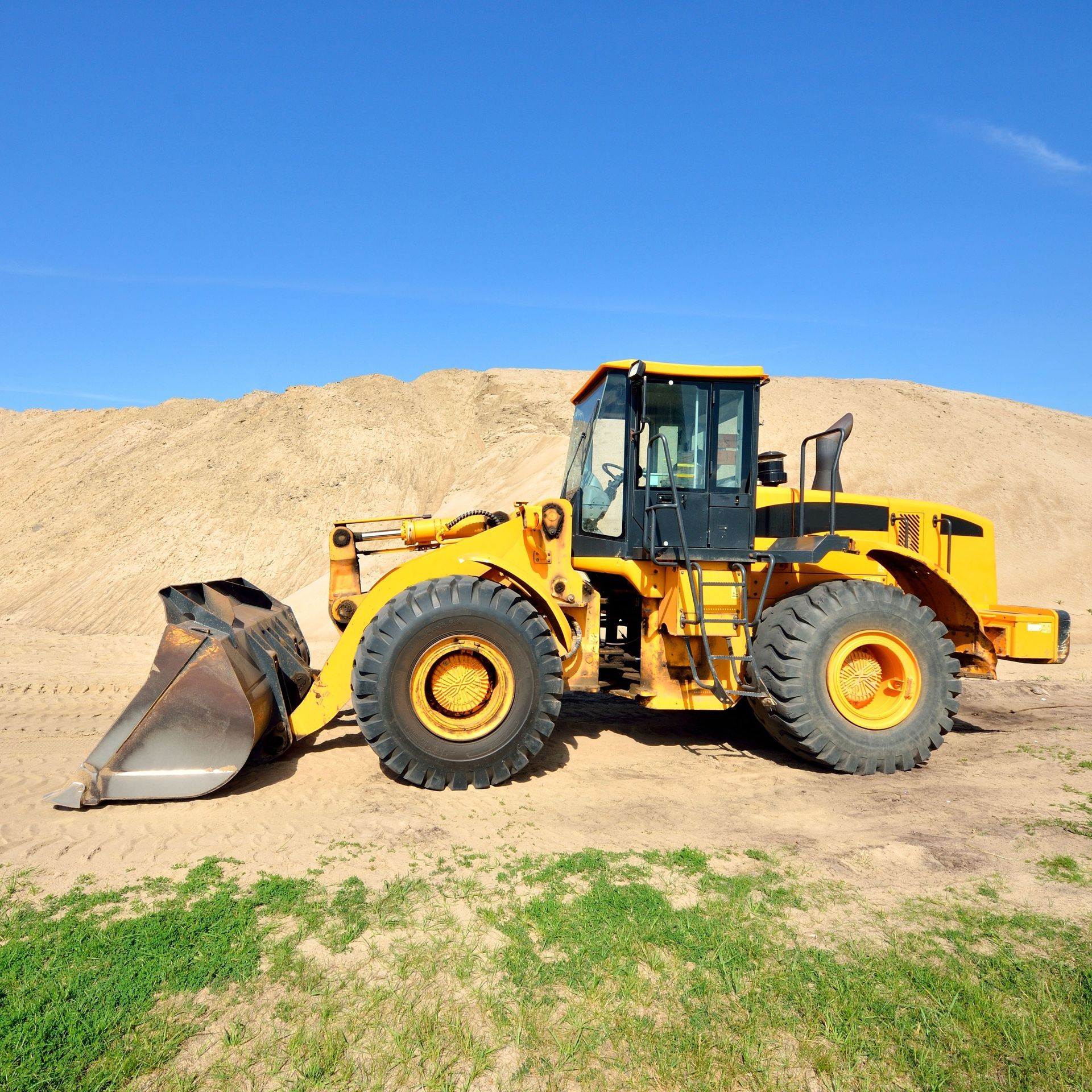
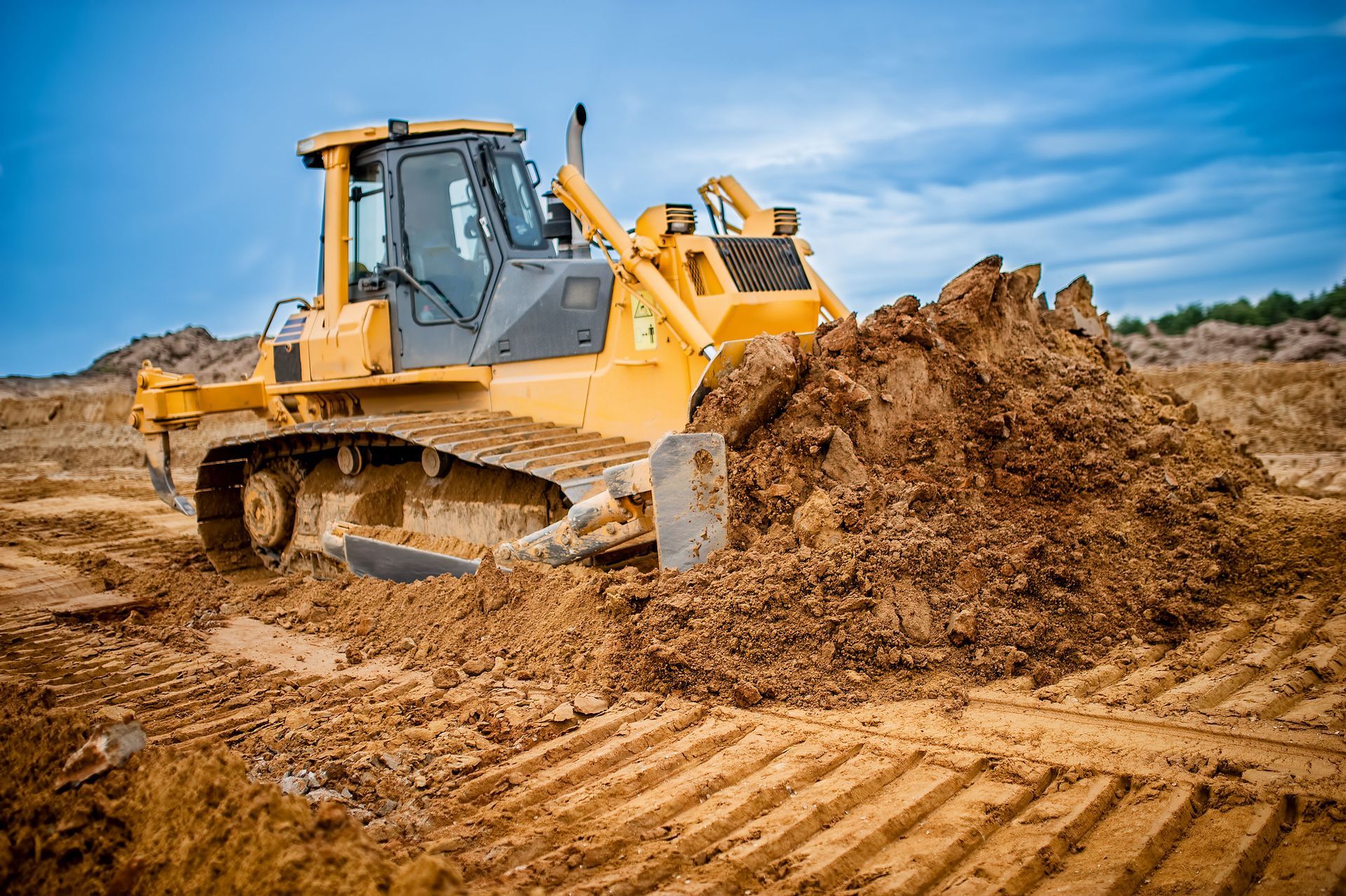
Modern construction preparation relies on a combination of advanced machinery and specialized techniques designed to improve speed and precision. Excavators, bulldozers, and mulchers are commonly used to remove vegetation and level uneven terrain. These machines make land clearing significantly faster and more efficient than traditional manual methods. In some cases, selective clearing is used to preserve specific trees or natural features that enhance the property’s value.
Surveying technology, including GPS mapping and drones, helps contractors assess the land with greater accuracy before work begins. This data allows for better decision-making and reduces the risk of errors during development. Soil testing is also performed to determine load-bearing capacity and drainage conditions. These combined tools and techniques ensure that the site is properly prepared for safe and stable construction. Advancements in equipment continue to improve efficiency while reducing environmental impact and overall project costs.
Long-Term Property Value and Land Development Outcomes
Preparing land correctly has lasting benefits that extend far beyond the construction phase itself. A well-prepared site improves structural integrity, reduces maintenance issues, and enhances overall property performance. When land clearing is done with long-term planning in mind, it supports better drainage, stronger foundations, and more efficient land use.
This can significantly increase property value by making the site more attractive to future buyers or investors. Proper preparation also allows for flexible land use in the future, making it easier to expand or modify structures as needed. Environmentally responsible clearing practices further enhance the appeal of the property in modern markets where sustainability is valued. Properties built on properly prepared land tend to experience fewer structural issues and lower repair costs over time. This makes early investment in preparation a practical decision that strengthens long-term returns.
Project Completion and Professional Support
According to Forbes, clearing a single acre of land may take anywhere from just one hour to several days, depending on conditions and project complexity. Proper site preparation is one of the most important steps in any successful construction project, and it begins with thoughtful planning and professional execution. From improving safety and accessibility to supporting environmental responsibility and long-term property value, each stage of preparation plays a critical role in overall project success.
When land clearing is handled correctly, it creates a strong foundation for efficient construction and reduces the likelihood of costly delays or structural issues in the future. Property owners who invest in proper preparation benefit from smoother workflows, safer job sites, and more durable results. Reliable Septic & Services is committed to helping clients prepare their properties with precision and care, ensuring every project starts on the right foundation. For dependable site preparation and expert assistance, contact us today and move your construction plans forward with confidence.
Share On: