4 Ways Delayed Septic Tank Pumping Leads to Costly Damage
Out of sight, out of mind is the common philosophy for many homeowners regarding wastewater systems. A septic system operates beneath the soil, quietly processing waste and recycling water. However, without regular maintenance, the delicate biological balance shifts. Solid waste builds up beyond what the system can hold indefinitely. Neglecting the schedule to pump out septic tank units is a dangerous gamble, as internal components are constantly subjected to chemical and physical stressors.
The consequences of procrastination are rarely minor. A slightly slower drain can escalate into a catastrophic failure of the entire drainage infrastructure. Homeowners often face thousands of dollars in restoration costs simply because they overlooked routine service. Understanding the mechanisms of failure triggered by overfilled tanks protects your property and your wallet. Staying ahead of sludge accumulation ensures the complex interplay of bacteria and filtration remains functional for decades.
1. Complete Drain Field Saturation and Clogging
The drain field is the most expensive and sensitive component of your wastewater system. Its primary function is to allow pre-treated liquid effluent to seep into the soil for final purification. When you fail to pump out septic tank solids regularly, scum and sludge layers grow thick. Solid particles are pushed into the perforated pipes, creating physical blockages and turning your yard into a swamp of untreated sewage.
Once the drain field soil becomes saturated with waste, biological pores become blocked by a biomat. Thick layers of anaerobic bacteria form an impermeable barrier, preventing any further liquid absorption. The soil loses its ability to filter, leading to surface ponding and foul odors. A saturated drain field cannot simply be cleaned; it usually requires total excavation and relocation to a different part of the yard, costing a fortune.
Furthermore, saturation leads to localized environmental contamination. As the system loses filtering capabilities, untreated bacteria migrate through the soil to groundwater or nearby streams. This poses a significant health risk to the community and can lead to hefty fines from environmental health departments. The cost of environmental remediation and replacing tons of specialized gravel makes this an incredibly expensive penalty for missed maintenance.
Homeowners must prioritize the health of the drainage area above all else. Regular inspections monitor sludge depth, catching issues before solids migrate into the delicate pipe network. Paying for a vacuum truck every few years is far cheaper than paying for backhoes to dig up your entire landscape. Prevention in this context is about preserving the most vital utility infrastructure on your private residential property.
2. Structural Degradation and Tank Collapse
While built to be robust, septic tanks are not indestructible. Constructed from concrete, fiberglass, or plastic, they are susceptible to corrosive environments created by decomposing waste. Accumulated sludge leads to high concentrations of sulfuric acid and corrosive gases. These gases attack the concrete walls and internal baffles. Over time, the concrete becomes brittle and soft, a process compromising the structural integrity of the entire vessel.
A weakened tank is a ticking time bomb under your lawn. If walls become sufficiently corroded, soil weight can cause sudden, catastrophic collapse, creating a dangerous sinkhole. According to HomeGuide, septic tanks should be replaced if they require frequent repairs, are cracked, are over 40 years old, or need to be pumped more often than normal. Delaying the decision to pump out septic tank waste accelerates this internal decay tremendously.
Physical pressure from an overfilled tank also causes cracks to form in the seams. Internal pressure fluctuates wildly during heavy usage, stressing inlet and outlet pipes until they shear off. Once the seal is broken, groundwater leaks into the tank, or sewage leaks out into the surrounding soil. Total system failure requires professional intervention and expensive parts custom-fitted to the aging property infrastructure.
Maintaining structural health requires a proactive approach to waste management. Ensuring the sludge layer never occupies a significant portion of the volume reduces corrosive byproducts. When technicians clear the sludge, they visually inspect baffles and interior walls. Catching small cracks early extends the life of the tank significantly. Ignoring this process essentially allows the tank to slowly digest itself from the inside out.
3. Permanent Damage to Internal Components
Modern systems include effluent filters and specific baffle designs ensuring only clear liquid leaves the tank. The inlet baffle directs incoming waste downward, while the outlet baffle keeps floating solids from escaping. Rising sludge levels can physically break these internal components. Heavy sludge exerts enough upward force to snap plastic baffles, leading to immediate, severe backups directly into the household plumbing network.
An effluent filter is a critical defense line located at the outlet pipe. Its job is to catch lint and small particles before they enter the drain field. If you do not pump out septic tank sludge on schedule, this filter becomes choked with thick grease. The blockage forces water back into the house and can cause the filter to fail completely under extreme pressure.
Repairing internal components is complicated because they are entirely submerged in raw sewage. Replacing a degraded filter requires the tank to be fully emptied before a technician can begin work, adding significant labor costs. If a broken baffle goes unnoticed, solids flow freely into the drain field, leading to expensive clogging issues. Internal mechanics rely on specific flow paths easily disrupted by excessive waste.
Making it a priority to clear out waste protects these vital mechanical safeguards. During a regular maintenance visit, technicians pull the effluent filter and spray it clean, ensuring proper function. They also verify baffles are securely attached and not showing signs of wear. This level of maintenance prevents chain reactions of failure. Replacing a filter during routine visits is cheaper than emergency repairs at midnight.
4. Massive Property Restoration and Interior Damages
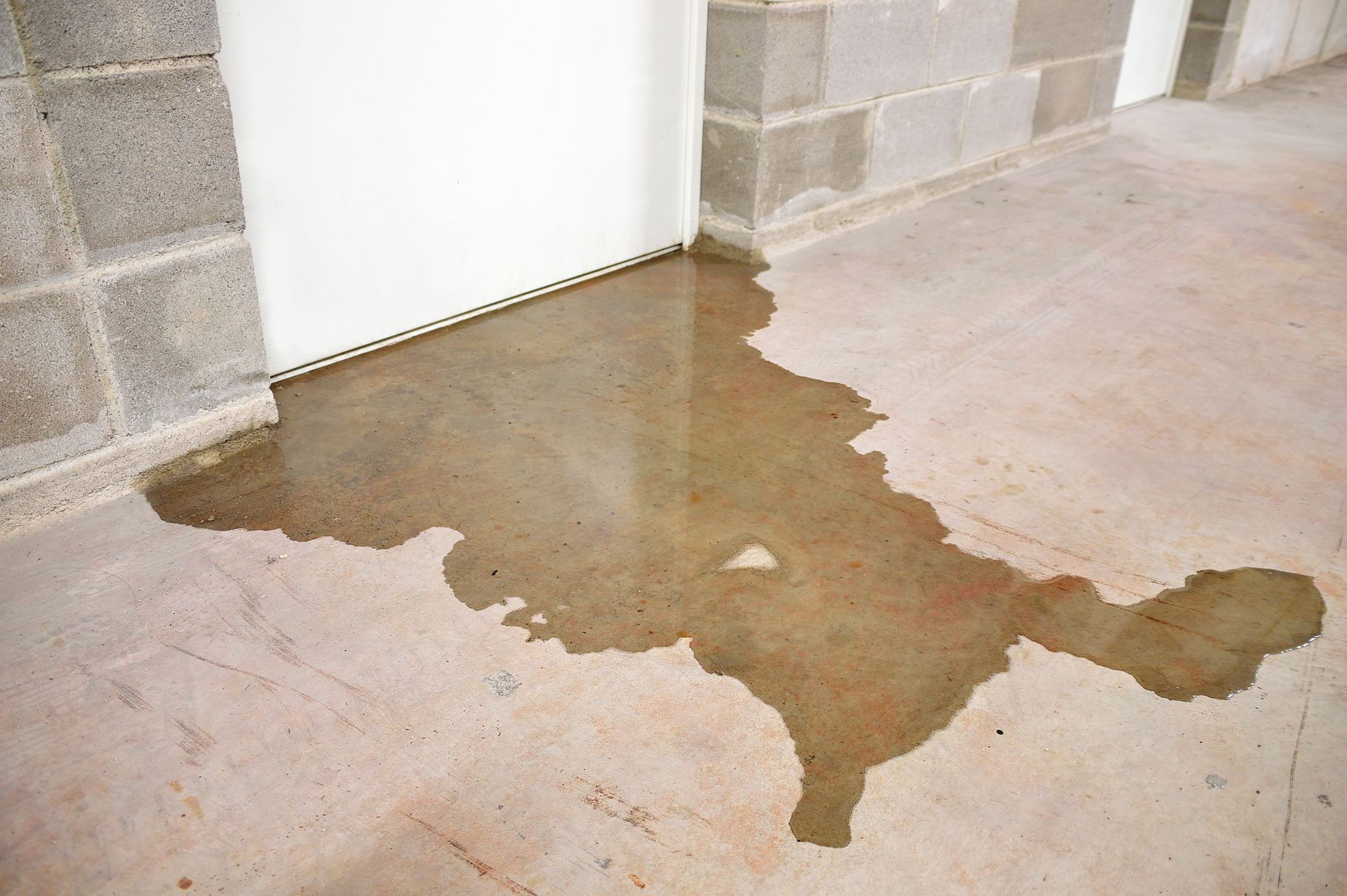
Perhaps the most visceral cost of a neglected system is interior home damage. When the tank cannot accept any more waste, sewage follows the path of least resistance back up the main sewer line. The result is a backup through floor drains, toilets, and showers. This highly contaminated black water requires specialized hazardous material cleanup teams to safely and thoroughly remediate the affected property.
Restoring a home after a sewage backup can easily reach tens of thousands of dollars. Carpeting, drywall, and insulation contacting sewage must be removed and discarded. Hard surfaces must be professionally sanitized to prevent dangerous mold and bacteria growth. The loss of furniture and personal mementos is devastating. This directly results from failing to pump out septic tank contents before the system reaches its maximum limits.
Beyond physical cleanup, hidden damage remains a persistent issue. Sewage seeps into subflooring and behind baseboards, creating odors impossible to eliminate without total demolition. Insurance companies often have strict limits on sewage backup coverage, leaving homeowners to pay out-of-pocket for extensive repairs. The stress of a temporarily uninhabitable home adds a massive emotional toll to the already heavy financial burden.
The septic system is the heart of a home's functionality. When it fails, the entire property is compromised. The cost of professional cleaning and restoration after a backup is drastically higher than a routine maintenance visit. Setting a recurring reminder to manage this task is the most effective way to safeguard your indoor living environment. Protecting your sanctuary starts beneath the surface of your lawn.
The long-term health of your property depends on a consistent commitment to wastewater management. Saving a few hundred dollars today by skipping a service visit is a massive mistake. The four pathways to damage outlined above demonstrate that the risks of delay are simply too high to justify. A well-maintained system is an invisible asset, providing comfort and hygiene for your family without the threat of looming financial disasters.
Finalizing a maintenance strategy requires a proactive partnership with professional service providers. By understanding the condition of your tank and adhering to a strict schedule to pump out septic tank solids, you enjoy absolute peace of mind. Your system is a vital investment in your property’s overall value. Treat it with the attention it deserves, and it will keep your home functional and safe for many decades to come. Don't wait for a costly disaster to strike your property; contact Reliable Septic & Services today to schedule your next appointment to pump out septic tank waste. Let our experienced technicians help you maintain a healthy, functioning wastewater system for years to come.


Share On: