10 Warning Signs You Need a Drain Field Replacement
Septic systems are a crucial part of maintaining a healthy and functional home, particularly in areas without access to municipal sewer systems. A drain field plays a critical role in safely dispersing wastewater into the soil. Over time, however, drain fields can deteriorate due to age, improper maintenance, or overuse, leading to potential health hazards and costly repairs. Knowing the warning signs of a failing drain field can help homeowners address problems early and prevent extensive damage to their septic systems. Let's explore 10 key indicators that your drain field may need replacement.
1. Slow Drains Throughout the Home
One of the earliest warning signs that a drain field may be failing is slow drainage in multiple fixtures throughout your home. According to the EPA, if a drain field is 25-30 years old or more, the natural biomat that forms in the bottom of the trenches or beds can thicken and reduce the ability of the drain field to properly discharge the wastewater into the ground. When sinks, bathtubs, and toilets take longer than usual to drain, it may indicate that wastewater is not moving efficiently through your septic systems. While minor clogs in individual drains may be normal, widespread slow drainage suggests a larger issue with the drain field. Addressing this problem promptly can prevent more serious septic system failures and costly emergency repairs.
2. Sewage Odors in the Yard or Home
Foul odors are a strong indicator that your drain field may be compromised. If you notice persistent sewage smells in your yard, near the drain field, or even inside your home, it could mean that wastewater is not being properly absorbed into the soil. Septic systems rely on healthy drain fields to naturally filter and disperse waste. When the drain field is damaged or overloaded, untreated sewage can surface, posing both health risks and unpleasant living conditions. Detecting odors early can help homeowners schedule inspections before the problem escalates.
3. Standing Water or Muddy Areas
Another visible warning sign is the presence of standing water or muddy patches in the area of your drain field. A functioning drain field should allow wastewater to seep into the soil gradually. When the soil becomes saturated, water may pool on the surface, creating soggy areas that persist even during dry weather. These conditions indicate that your septic systems are struggling to process waste efficiently. Ignoring standing water near a drain field can lead to contamination of surrounding areas and further degradation of the soil’s ability to absorb wastewater.
4. Greener or Lusher Grass
While healthy grass may seem desirable, unusually green or lush patches over the drain field can indicate excessive nutrients from leaking wastewater. Septic systems are designed to distribute effluent evenly, but a failing drain field can cause concentrated areas of waste to surface, providing extra nitrogen and phosphorus that stimulate rapid plant growth. If certain areas of your yard appear unnaturally vibrant compared to the rest, it’s a warning sign that the drain field may be compromised. Prompt inspection and potential replacement can prevent further environmental contamination and damage to the system.
5. Backup of Sewage in the Home
Sewage backups in sinks, toilets, or bathtubs are clear indicators of serious issues with your septic systems. When wastewater cannot properly flow into the drain field due to clogging or failure, it can reverse course and enter your home’s plumbing. This is not only unpleasant but also a health hazard due to exposure to harmful pathogens. Backups may be intermittent at first, but they often worsen over time. If you experience repeated sewage backups, it’s a strong sign that your drain field may need replacement or extensive repairs.
6. Excessive Algae Growth in Nearby Water Sources
Septic systems that fail can affect surrounding water sources, such as ponds, streams, or lakes. If you notice unusual algae blooms or excessive growth in nearby water bodies, it may be due to nutrients leaching from a compromised drain field. Nitrogen and phosphorus from untreated wastewater can enter the environment, promoting algae proliferation. This is a serious ecological concern and indicates that the drain field is no longer functioning properly. Addressing the issue promptly helps protect the local ecosystem and prevents more extensive contamination from affecting your property.
7. Grey Water Pools
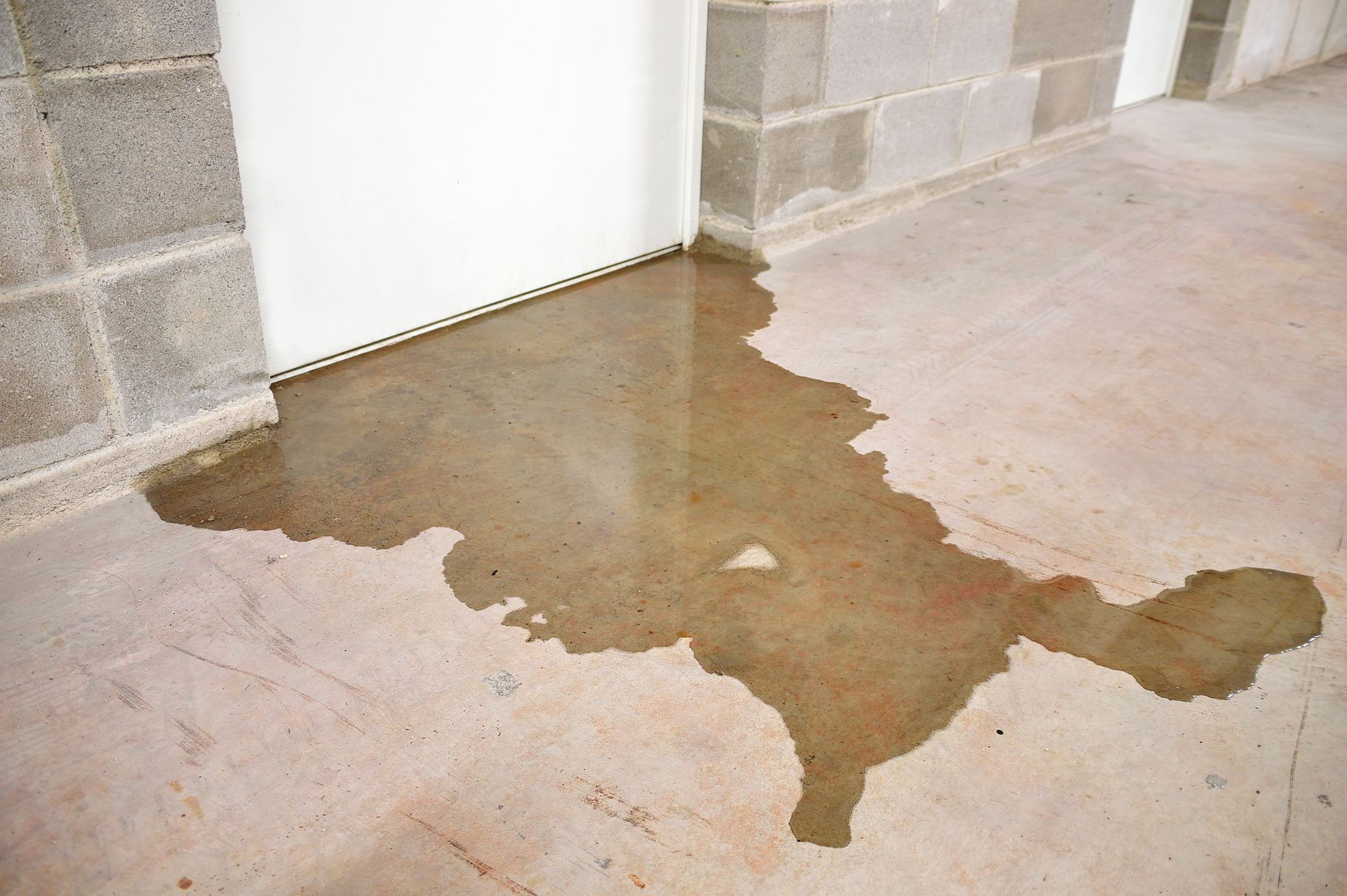
Grey water, which comes from sinks, showers, and washing machines, should also be absorbed efficiently by the drain field. If you notice pooling or slow drainage of grey water around your property, it may signal that the soil is no longer capable of absorbing wastewater. Septic systems rely on the drain field to prevent wastewater from surfacing or causing environmental damage. Persistent pooling should not be ignored, as it can lead to soil erosion, foul odors, and further strain on the septic system, eventually requiring a full drain field replacement.
8. Increased Need for Septic Tank Pumping
While regular pumping is a normal part of septic system maintenance, a failing drain field can increase the frequency required. If you find that your septic tank fills up quickly and requires pumping more often than recommended, it may indicate that the drain field is no longer able to effectively disperse wastewater. This added stress on your septic systems can accelerate wear and lead to early failure of the drain field. Monitoring the frequency of pumping can help you catch potential problems before they become expensive and complicated.
9. Cracks or Sagging in the Ground
Physical changes in the area above the drain field, such as cracks, depressions, or sagging ground, can indicate underlying issues with your septic systems. Over time, failing drain fields can cause the soil to settle unevenly or compact improperly, leading to visible ground deformation. These signs suggest that the system is not distributing wastewater as intended and that the soil structure may be compromised. Early detection of ground issues allows homeowners to schedule inspections and drain field replacement before extensive property damage occurs.
10. Unusual Plumbing Noises
Gurgling sounds, bubbling toilets, or unusual noises from drains can signal that wastewater is not flowing smoothly through your septic systems. When the drain field is failing, air pockets can form in the plumbing, causing these sounds. These noises often precede more serious symptoms like backups or odors and should be taken seriously. Timely attention to plumbing irregularities can help prevent more extensive damage and may indicate the need for drain field replacement. Consulting a professional at the first signs of unusual noises can save both time and money.
Maintaining a healthy drain field is essential for the proper functioning of septic systems. Recognizing the warning signs of a failing drain field, such as slow drains, foul odors, standing water, lush grass, sewage backups, algae growth, grey water pooling, frequent pumping, ground cracks, and unusual plumbing noises, can help homeowners address issues before they become costly emergencies. Regular inspections and proactive maintenance are key to preserving the longevity of your septic systems and ensuring a safe, hygienic, and environmentally friendly property. If you notice any of these warning signs, it’s important to consult our professionals to evaluate your drain field and determine if replacement is necessary. Our team at Reliable Septic & Services serves Vero Beach, FL and the surrounding areas. Contact us today to learn more!


Share On: