5 Factors That Influence Septic System Lifespan
When it comes to owning a home with a septic system, understanding the factors that affect its lifespan is essential. A properly maintained underground sewage system can last for decades, but neglect or improper use can shorten its effectiveness and lead to costly repairs. Many homeowners are unaware that simple choices in maintenance, usage, and environmental factors can significantly influence how long a private sanitation system functions properly. By learning about these X factors, you can protect your investment, prevent damage, and ensure your home remains safe and sanitary for years to come. This guide will cover key elements that determine the longevity of your underground sewage system and what homeowners should keep in mind.
1. Tank Size and Capacity
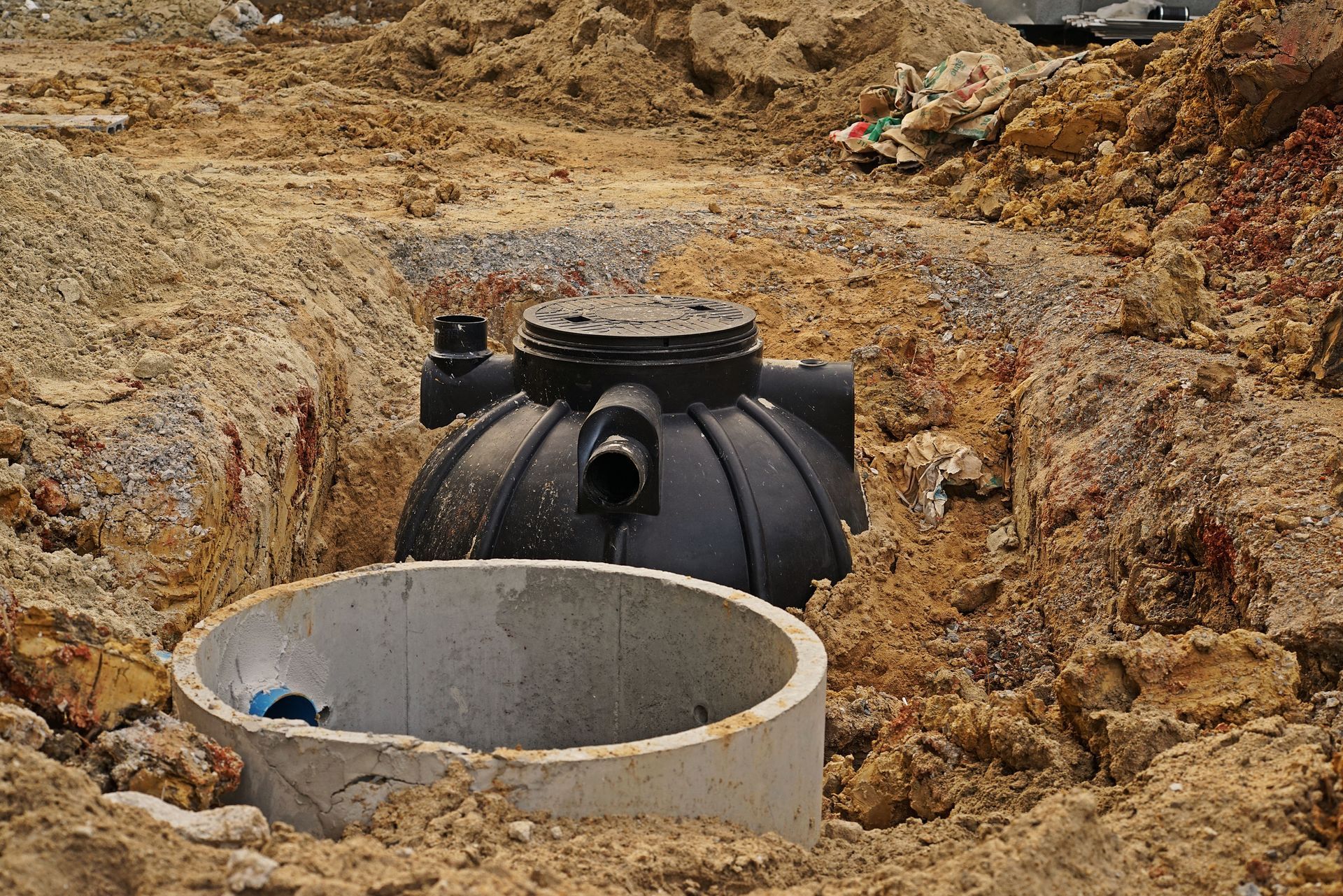
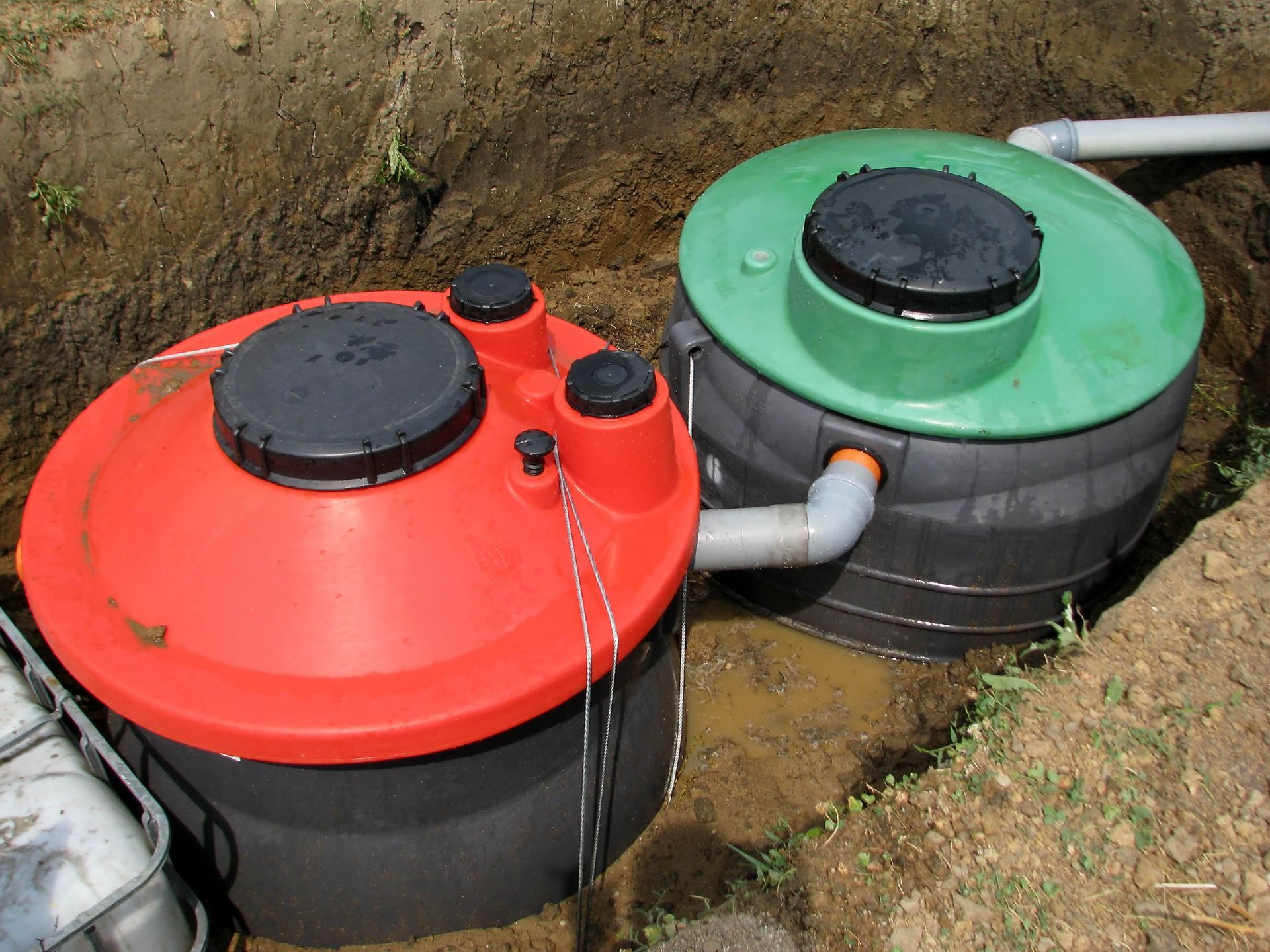
The size of an underground sewage tank plays a critical role in how long it lasts. Tanks that are too small for the household’s needs can become overfilled and fail prematurely. According to Today's Homeowner, numerous states require septic tanks to have a minimum capacity of 1,000 gallons. This ensures the system can handle average household wastewater without being overwhelmed. Homeowners should evaluate their household size and water usage to determine if their tank is appropriately sized. Larger tanks generally have a longer lifespan because they are less prone to frequent overloading.
The soil surrounding your private sanitation system directly affects its performance and durability. Soil that drains poorly can cause the drain field to become saturated, leading to backups and potential system failure. Sandy soils, in contrast, allow water to flow freely, reducing strain on the underground sewage system. Regular inspections can help detect early signs of drain field issues before they become severe. Maintaining healthy soil conditions ensures that your private sanitation system operates efficiently and lasts longer.
Excessive water use in the home can put significant stress on an underground sewage system. High water volumes flush solids too quickly into the tank, preventing proper decomposition and causing sludge buildup. Homeowners should be mindful of water usage, especially during peak periods, and consider installing water-saving appliances. Distributing water use throughout the day can also prevent overloading the private sanitation system. A well-managed water routine is key to extending the lifespan of your underground sewage system.
2. Regular Pumping and Maintenance
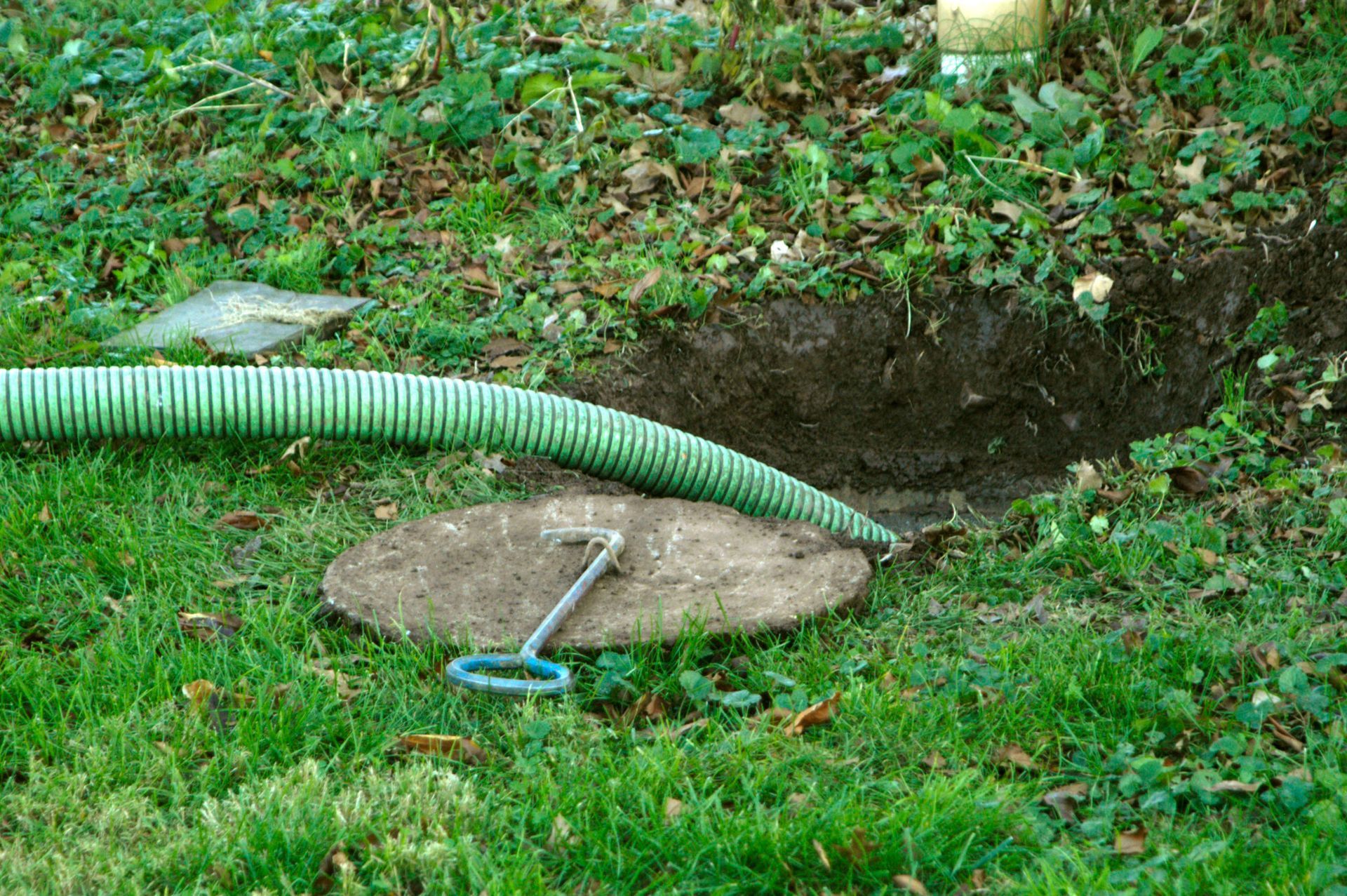
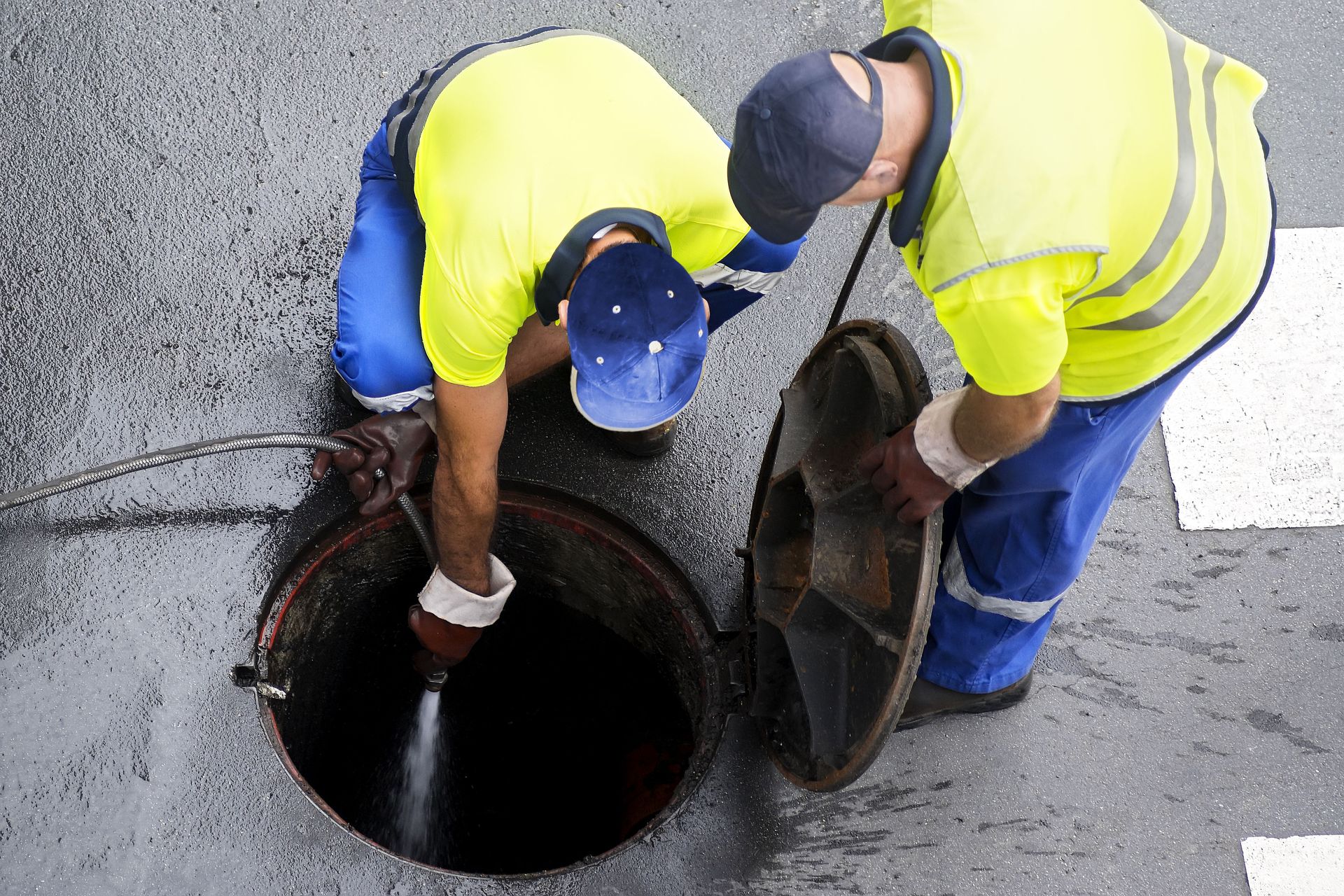
Routine maintenance is essential for a private sanitation system’s longevity. Failing to pump the tank can lead to sludge overflow, which clogs the drain field and reduces system efficiency. Experts recommend pumping a residential underground sewage system every three to five years, depending on usage and tank size. Regular inspections help identify leaks, cracks, or other potential issues before they escalate. A proactive approach to maintenance is a simple yet effective way to prolong the life of your private sanitation system.
The types of chemicals and waste entering a private sanitation system significantly impact its health. Harsh chemicals, like drain cleaners and bleach, can kill beneficial bacteria necessary for breaking down waste. Non-biodegradable items, such as wipes or plastics, can clog pipes and damage the underground sewage system. Homeowners should limit the disposal of harmful substances down drains and toilets. Using eco-friendly cleaning products helps maintain the natural balance of bacteria and keeps the private sanitation system functioning efficiently.
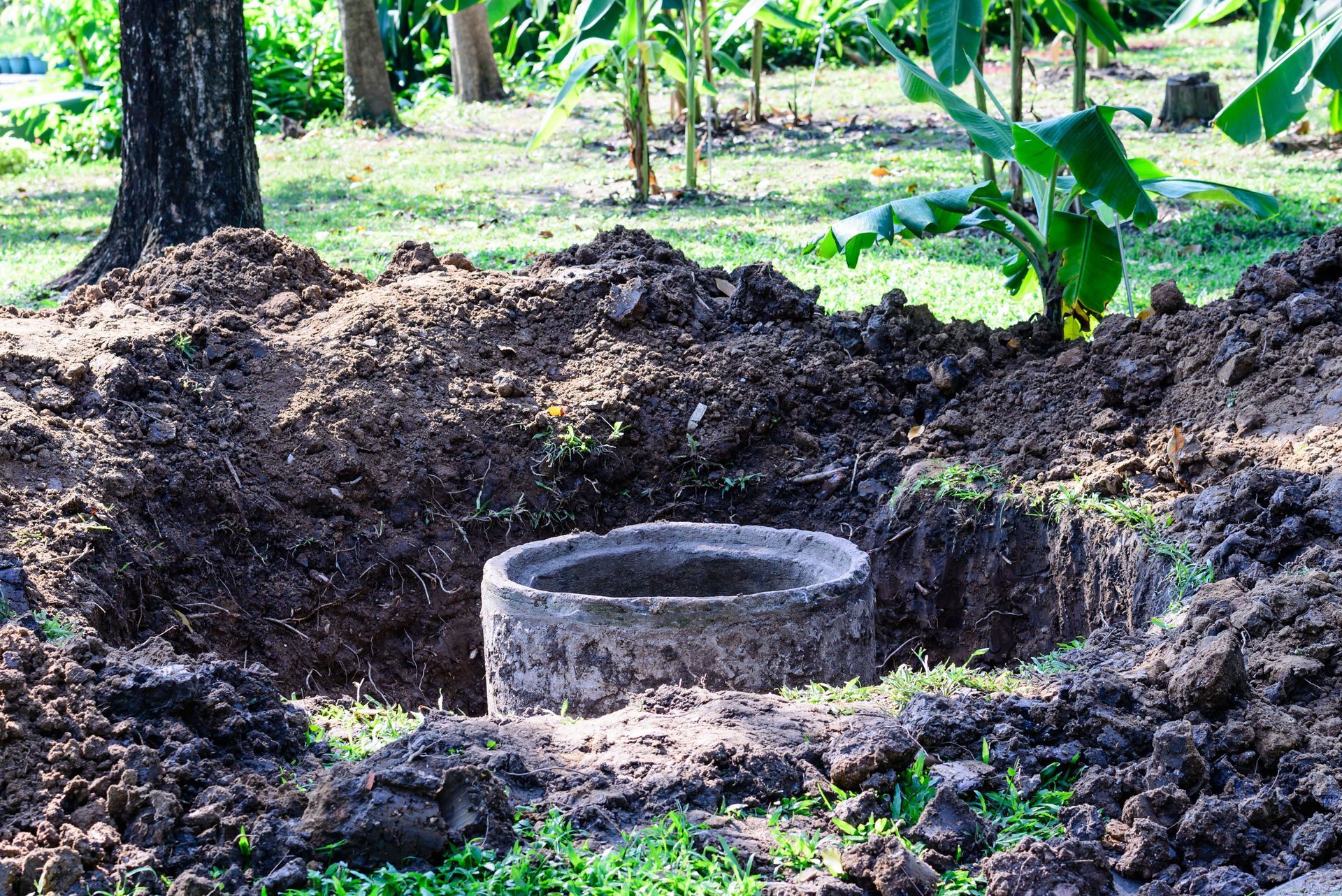
Tree roots and certain landscaping plants can infiltrate septic systems, causing significant damage. Roots seek out moisture and can penetrate pipes and tanks, leading to blockages and leaks. Planning landscaping with deep-rooted trees away from the private sanitation system is crucial. Regularly inspecting for root intrusion can prevent unexpected repairs. Thoughtful landscaping protects the underground sewage system while maintaining a beautiful yard.
3. Environmental and Weather Factors
Heavy rainfall, flooding, and extreme weather conditions can all affect a sanitation system’s performance. Excess water saturates the soil around the drain field, making it harder for the underground sewage system to absorb and treat wastewater. In colder climates, freezing temperatures can cause pipes to crack or clog. Homeowners should consider local environmental conditions when planning maintenance schedules. Adapting to weather-related challenges can prevent premature private sanitation system failures.
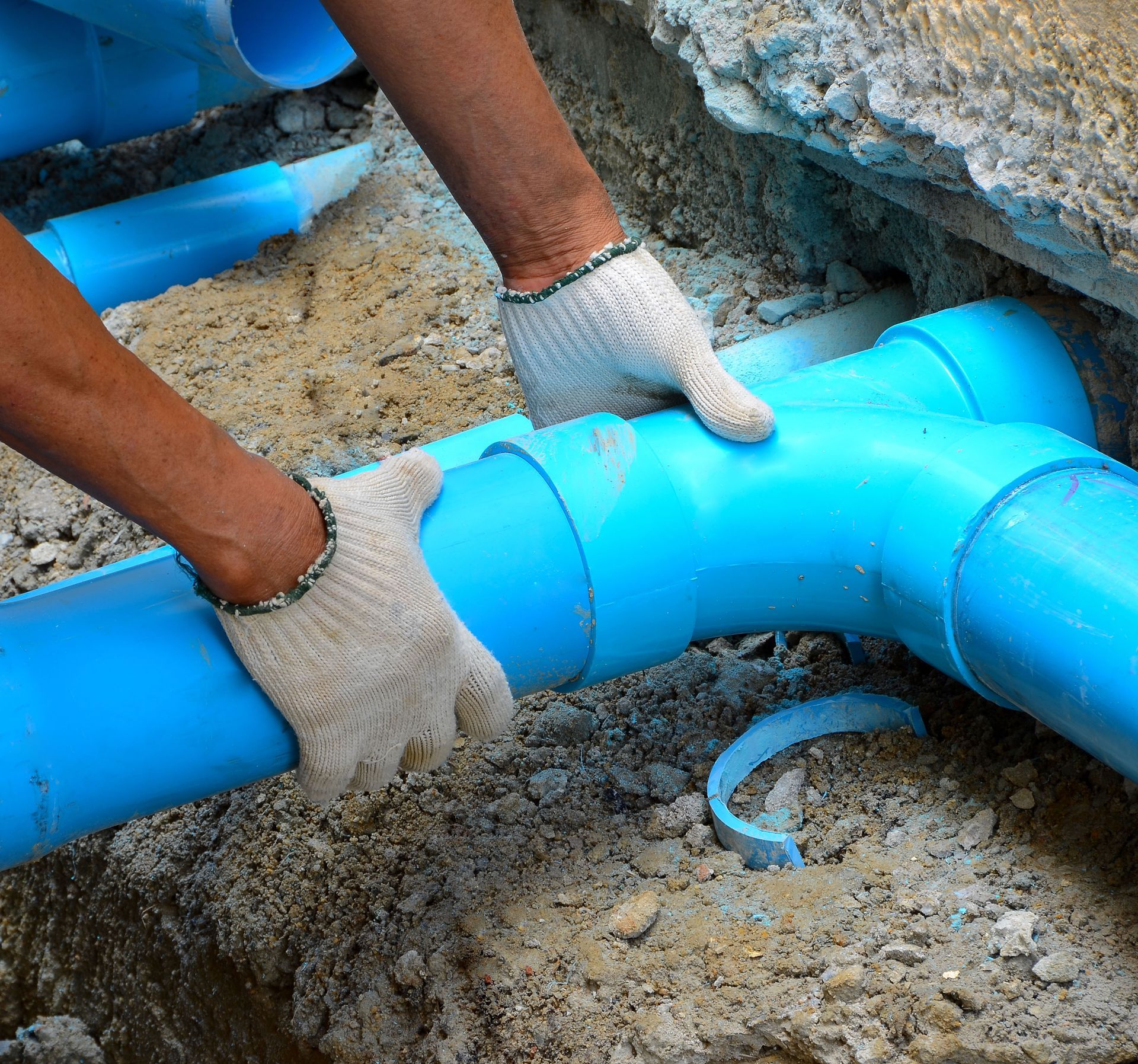
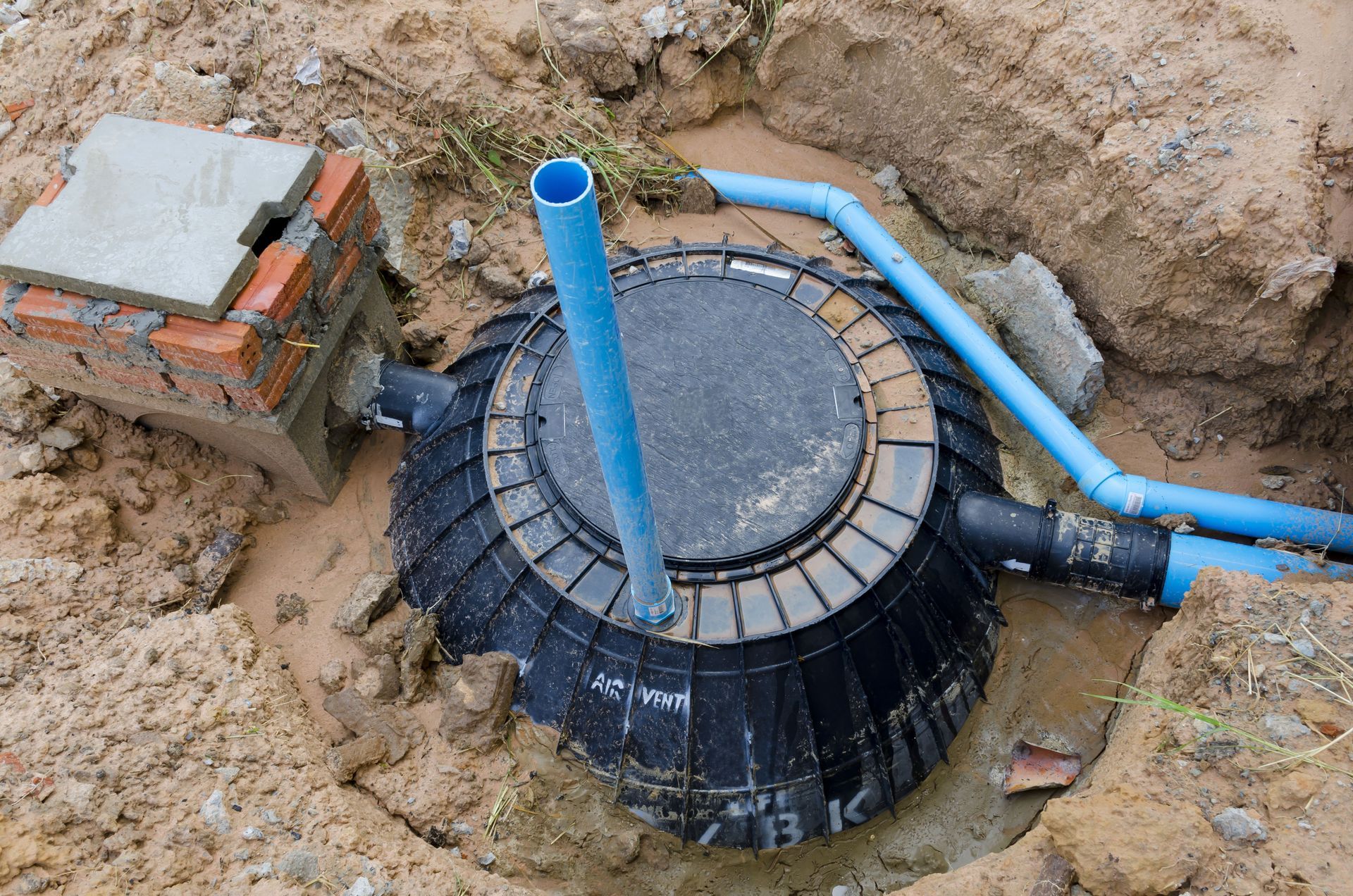
The initial design and installation of an underground sewage system significantly determine its lifespan. Poorly designed systems or improper installation can lead to inefficiencies and early failure. Properly designed private sanitation systems account for household size, soil type, and local regulations. Ensuring the system meets required standards is critical for longevity. Consulting experienced professionals for design and installation is a smart investment for any homeowner.
Professional services play a vital role in maintaining private sanitation system health. Services like real estate septic inspections, grease trap services, Vac-Con services, underground sewage system permitting, and system design help identify and correct potential problems. Regular professional inspections ensure that minor issues do not escalate into costly repairs. Professionals can also advise on best practices for system usage and maintenance. Utilizing these services maximizes the efficiency and lifespan of your private sanitation system.
4. Emergency Response and Preventive Measures
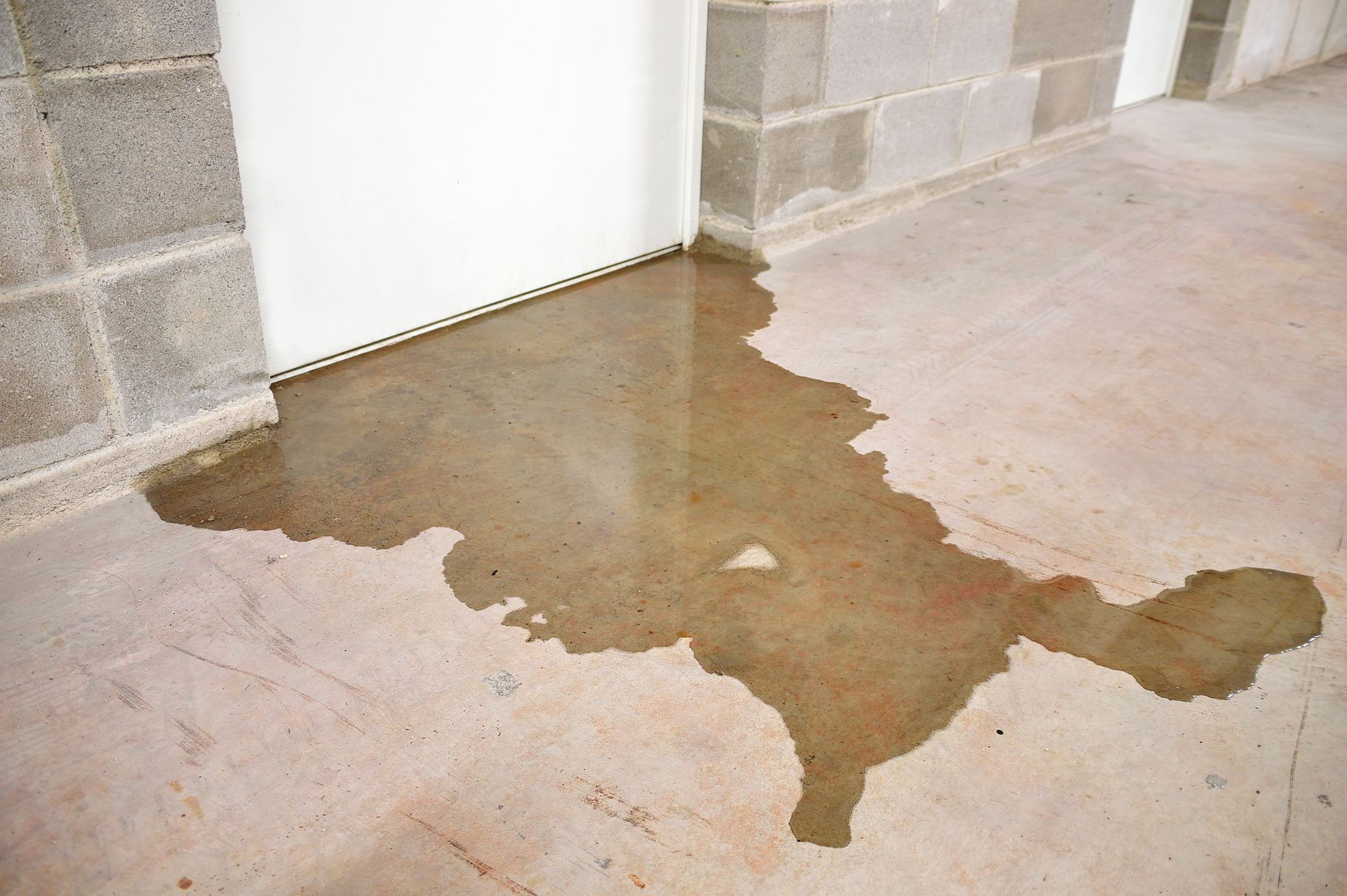
Access to 24/7 emergency service can prevent small issues from turning into major underground sewage system failures. Prompt attention to leaks, backups, or overflows minimizes damage and extends system life. Preventive measures, such as portable toilet rental during high water usage or land clearing for improved drainage, also help protect the private sanitation system. Being proactive about emergencies keeps your underground sewage system functioning properly. Having a plan for unexpected situations is essential for any homeowner.
Meeting or beating competitor prices while ensuring high-quality service encourages homeowners to maintain their private sanitation systems regularly. Affordable access to services like dumpster rental, private sanitation system services, and system inspections ensures homeowners do not delay maintenance due to cost concerns. Free estimates also make planning for regular maintenance more manageable. By balancing cost and quality, homeowners can ensure their underground sewage systems last longer. Investment in preventive services reduces the likelihood of expensive repairs.
Keeping detailed records of maintenance, inspections, and repairs helps extend the lifespan of a private sanitation system. Monitoring trends in system performance can alert homeowners to potential problems early. Documenting pumping schedules, inspections, and any issues ensures consistent care. Tracking the system’s history allows professionals to make informed recommendations for repairs or upgrades. A well-documented approach ensures the septic tank continues to operate efficiently for years.
5. Education and Awareness
Homeowners who are educated about their private sanitation system are more likely to take proactive measures to preserve it. Learning about proper usage, potential warning signs, and the effects of certain chemicals can prevent unnecessary damage. Attending workshops or consulting with experts ensures you are informed about best practices. Educated homeowners are also more likely to schedule regular maintenance and inspections. Raising awareness about underground sewage system care is an important step in maximizing its lifespan.
Utilizing complementary services can help maintain private sanitation system efficiency and longevity. Services such as grease trap services and Vac-Con services prevent clogging and reduce the risk of backups. Land clearing can improve drainage around the underground sewage system, while system permitting ensures compliance with local regulations. These services, combined with regular maintenance, form a comprehensive approach to system health. Homeowners who integrate additional services experience fewer disruptions and longer-lasting private sanitation systems.
Understanding the factors that influence a private sanitation system’s lifespan empowers homeowners to make informed decisions about maintenance and usage. From proper tank sizing to environmental considerations, each aspect plays a vital role in ensuring long-term functionality. Utilizing services such as portable toilet rental, dumpster rental, private sanitation system services, real estate septic inspections, grease trap services, Vac-Con services, land clearing, underground sewage system permitting, and system design contributes to a healthier and longer-lasting system. Reliable Septic & Services provides expert guidance, 24/7 emergency service, free estimates, and competitive pricing to help homeowners maintain their private sanitation systems effectively. For more information, contact us today!
Share On: