Causes of Buildup That Require Septic System Cleaning
Understanding the causes of buildup in septic systems is crucial for timely cleaning and maintenance. In this article, we explore the main causes and provide insights into effective septic system cleaning practices.
How Does Fat and Grease Lead to Buildup?
Impact of Fat and Grease Accumulation
Fat and grease are notorious for creating clogs in septic systems. When these substances cool, they solidify and stick to the inner walls of the plumbing, leading to persistent blockages. These blockages not only hinder the drainage but also exacerbate the wear and tear on the system. Consequently, regular septic system cleaning becomes critical as neglect can reduce the efficiency of wastewater treatment.
The accumulation of fats and greases can attract other organic and inorganic particles, intensifying the blockage. As these deposits build up, they can eventually cause drain field failures. An ineffective drain field can need costly repairs or even replacement. Moreover, a clogged system increases the likelihood of backflows, leading to unpleasant odors and potential health risks.
According to HomeGuide, a properly installed and maintained septic system typically lasts between 20 and 40 years. However, grease and fat buildup can considerably shorten this lifespan by causing frequent failures. A proactive approach to septic system cleaning and careful monitoring of fat disposal can prevent these issues from escalating. Emphasizing preventive measures enhances the long-term durability of a septic system.
Prevention Tips for Homeowners
To minimize fat and grease disposal into the septic system, homeowners should be vigilant about what goes down the drain. Avoid pouring cooking oils, fats, and grease directly into sinks. Instead, consider disposing of them in a dedicated container and then trashing it appropriately. Implementing such practices can significantly reduce the chances of clogs.
In addition, implementing a routine of wiping greasy dishes and pots with paper towels before washing can capture residuals. This simple step intercepts greases before reaching the plumbing. Educating all household members about these habits ensures a collective effort in maintaining a healthy septic system.
There are also enzyme-based products available that break down grease and can be used periodically. Introducing these biological treatments into the septic system can help maintain a clog-free environment. It is essential to pair these strategies with regular septic system cleaning to ensure optimal operation and longevity.
Septic System Cleaning Solutions
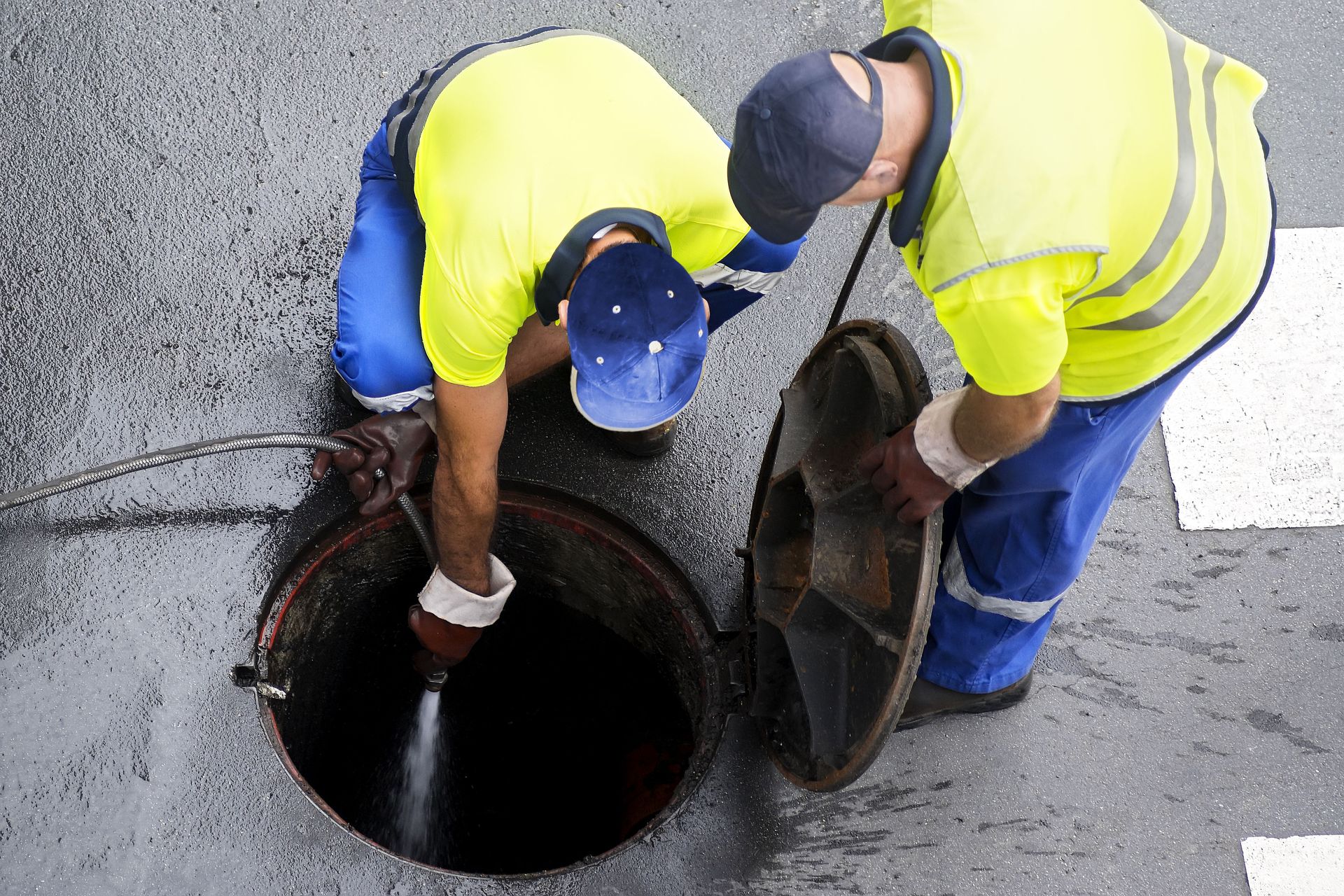
When dealing with buildup from fats and grease, professional septic system cleaning is often necessary. Professional services use high-powered techniques, such as jetting and mechanical pumping, to remove stubborn blockages. These methods ensure the thorough removal of grease buildups while preventing system damage.
Routine inspections by a septic professional can detect grease accumulations early. Early detection allows for targeted removal before blockages become severe. Additionally, these professionals can provide tailored advice on maintaining a greaseless environment, saving homeowners from future damages.
It's important to establish a regular maintenance schedule with a trusted septic cleaning service. This preventive maintenance helps catch early warning signs and addresses them promptly. Regular cleaning not only extends the septic system's lifespan but also promotes its efficient functioning.
Why is Excessive Use of Household Chemicals a Problem?
Impact on Septic System Microbes
The beneficial bacteria within a septic system are vital for breaking down waste. Excessive use of household chemicals can disrupt these microbial populations, leading to inefficiencies. Household chemicals often contain antimicrobial agents that destroy essential bacteria. When bacterial activity decreases, the waste decomposition process stalls.
Common cleaning agents like bleach and disinfectants can have detrimental effects on these microbes. A decrease in microbial activity can lead to sludge buildup, decreasing the system's overall capacity. Left unchecked, this can escalate into a full-blown septic failure. Therefore, it's critical to limit the use of harmful chemicals and opt for more natural cleaning solutions.
Recognizing the Signs of Chemical Buildup
Symptoms of chemical buildup in a septic system can be subtle yet telling. Slower draining sinks, gurgling toilets, and unpleasant odors are common indicators. These symptoms point to a disruption in the microbial ecosystem due to chemical interference. Early recognition can avert severe malfunctions and costly repairs.
Persistent backups are another significant sign that chemical usage should be evaluated. Investigating the household cleaners being used might reveal their harmful impact on the septic microbes. Being proactive about noticing these signs is crucial in maintaining the system's health.
When signs of chemical buildup are detected, immediate assessment and septic system cleaning by professionals are recommended. Addressing the issue swiftly maintains the integrity of the septic system, allowing it to return to normal operations. A timely intervention can prevent minor issues from becoming major catastrophes.
Alternative Cleaning Products
Opting for eco-friendly cleaning products can significantly reduce chemical buildup in septic systems. These products are designed to clean effectively while preserving the microbial balance within the system. They can be as effective as traditional cleaners without compromising the integrity of septic systems.
Natural alternatives such as vinegar and baking soda are excellent choices for everyday cleaning. These alternatives not only clean efficiently but also break down naturally without harming beneficial bacteria. Making these switches can have a long-term positive effect on the health of the septic system.
Several commercially available products are formulated specifically for homes with septic systems. These are often clearly labeled as septic-safe, providing peace of mind to homeowners. Embracing these alternatives can lead to a more sustainable and effective septic management strategy.
What Role Do Non-Biodegradable Items Play in Clogs?
Common Non-Biodegradable Culprits
Non-biodegradable items are among the leading causes of clogs in septic systems. Items like plastic wrappers, feminine hygiene products, and diapers do not break down easily. These materials accumulate within the system, creating blockages that hinder the flow of wastewater.
The persistence of non-biodegradable waste leads to a host of problems, including system backup. Unlike organic materials, these elements remain intact and can even trap other wastes. This exacerbates the issue of blockage, requiring more intensive septic system cleaning.
Properly identifying and avoiding such items is crucial for homeowners. Awareness of what should not enter the septic system is the first step in preserving its functionality and lifespan. Regular checks and balanced waste disposal can prevent costly repairs down the line.
Preventing Non-Biodegradable Waste Entry
To prevent these items from entering the septic system, conscious disposal habits must be emphasized. Flushing only degradable waste, like toilet paper, is an effective practice. Non-biodegradable waste should be disposed of through appropriate refuse channels.
Setting clear guidelines for family members regarding waste disposal is paramount. Educating everyone about the types of waste that can be harmful to the septic system ensures collaborative efforts. Such preventive actions play a significant role in maintaining a clog-free septic system.
Even small reminder signs placed near toilets can serve to reinforce proper disposal habits. These gentle reminders ensure that the septic system is treated with care and responsibility by all household users. Regular septic system cleaning complements these prevention strategies by managing inevitable missteps early.
Addressing Current Blockages
When blockages from non-biodegradable items occur, prompt septic system cleaning is necessary. Hiring professional services ensures that blockages are cleared efficiently and safely without damaging the system. Skilled technicians use various tools to dislodge and remove offending items.
Techniques such as high-pressure water jetting or mechanical augering can be used to remove blockages effectively. These methods ensure that no remnants are left behind to cause further issues. Comprehensive cleaning addresses both immediate and underlying causes of blockages.
After removing blockages, implementing preventative maintenance can prevent a recurrence. Aligning professional cleaning with strategic waste disposal results in sustainable septic management. Encouraging a proactive stance at an individual level protects against setbacks.
Buildup in septic systems arises from various factors ranging from improper waste disposal to excessive chemical use. Regular septic system cleaning, awareness, and preventative measures are key in maintaining a functional system. Reach out to Reliable Septic & Services today to see how we can help you!

Share On: