How to Know If You Need Septic System Cleaning
Managing a residential waste system requires consistent vigilance, yet its underground nature makes it easy for homeowners to adopt an "out of sight, out of mind" mentality. Because a failure in this infrastructure can lead to catastrophic property damage and thousands of dollars in emergency repairs, recognizing the early warning signs of a full tank is essential. Learning to identify the subtle and obvious indicators that your system is reaching its capacity will save your property, your budget, and your peace of mind.
Recognizing Slow Drains Across Multiple Plumbing Fixtures
When a single sink or toilet drains slowly, the culprit is typically a localized clog that can be cleared with a standard plunger or a hand auger. However, when every drain in your household—from the master shower to the kitchen sink—begins to sluggishly move water, the issue is much deeper in your infrastructure. This systemic backup occurs because the solid waste inside your underground reservoir has accumulated to a height that blocks the incoming wastewater pipe. Scheduling a professional septic system cleaning at the first sign of widespread sluggishness prevents the trapped water from reversing its flow entirely. Ignoring these slow drains will inevitably lead to a complete structural standstill, forcing your household to halt all water usage until an emergency technician can pump out the tank.
Identifying Persistent Odors Inside and Outside the Home
A healthy, properly functioning waste containment system is completely airtight, keeping all sewer gases securely trapped beneath the soil. When your tank fills to its absolute maximum capacity, these foul-smelling gases are forced upward through your home's plumbing vents or directly out of the ground. Inside the house, you might notice a distinct, sulfurous rotten-egg smell wafting from your floor drains, laundry room, or downstairs bathrooms. Outdoors, the odor is often strongest directly over the buried tank or around the perimeter of your absorption field. Arranging for a comprehensive septic system cleaning will instantly eliminate these unpleasant aromas by clearing out the decaying organic matter that produces the concentrated gas buildup.
Observing Unusually Lush and Vibrant Lawn Growth
While every homeowner desires a thick, vibrant green lawn, localized patches of hyper-vibrant grass directly over your absorption area are a major red flag. When an underground tank overflows, nutrient-rich liquid waste escapes the boundaries of the system and rises toward the surface of your yard. This liquid acts as an intense, unintentional fertilizer that causes the grass above it to grow at an accelerated rate compared to the rest of your lawn. If you notice a distinct, bright green pathway or a soggy, spongy patch of turf shaped like your drain field, your system is actively discharging untreated effluent. A timely septic cleaning is necessary to reset the liquid levels and protect your yard from becoming a hazardous, marshy swamp of contaminated water.
Detecting Gurgling Noises Emanating From Your Pipes
Your home's plumbing system should operate relatively quietly, with water flowing smoothly through the walls without creating loud acoustic disruptions. If you begin to hear a distinct, rhythmic gurgling or bubbling sound whenever you flush a toilet, run the washing machine, or drain the bathtub, it means air bubbles are trapped in the lines. This sound is the acoustic result of wastewater fighting against a physical obstruction or a high water table inside the main containment chamber. Investing in a professional septic system cleaning clears the path, allowing air and water to move through the drainage network without meeting resistance. These gurgling noises serve as an audible distress signal from your home, warning you that a severe sewage backup is imminent if the tank is not emptied immediately.
Tracking the Time Elapsed Since Your Last Maintenance Appointment
You should never rely solely on physical failures to dictate your home maintenance schedule, as waiting for symptoms to appear means damage has already occurred. Even if your drains are clear and your lawn looks perfectly normal, the sheer volume of usage over time dictates when your system requires attention. This proactive mindset is vital because a massive portion of the population relies entirely on self-contained waste management systems to handle daily household wastewater. According to Circle of Blue, more than 21 million households in the United States use septic systems. For this vast segment of homeowners, keeping a meticulous written log of maintenance dates is the single best way to prevent unexpected failures. If your records show that three to five years have passed since your last septic system cleaning, you are overdue for a service call regardless of how well the plumbing seems to be performing.
Discovering Standing Water and Soft Spots in the Drain Field
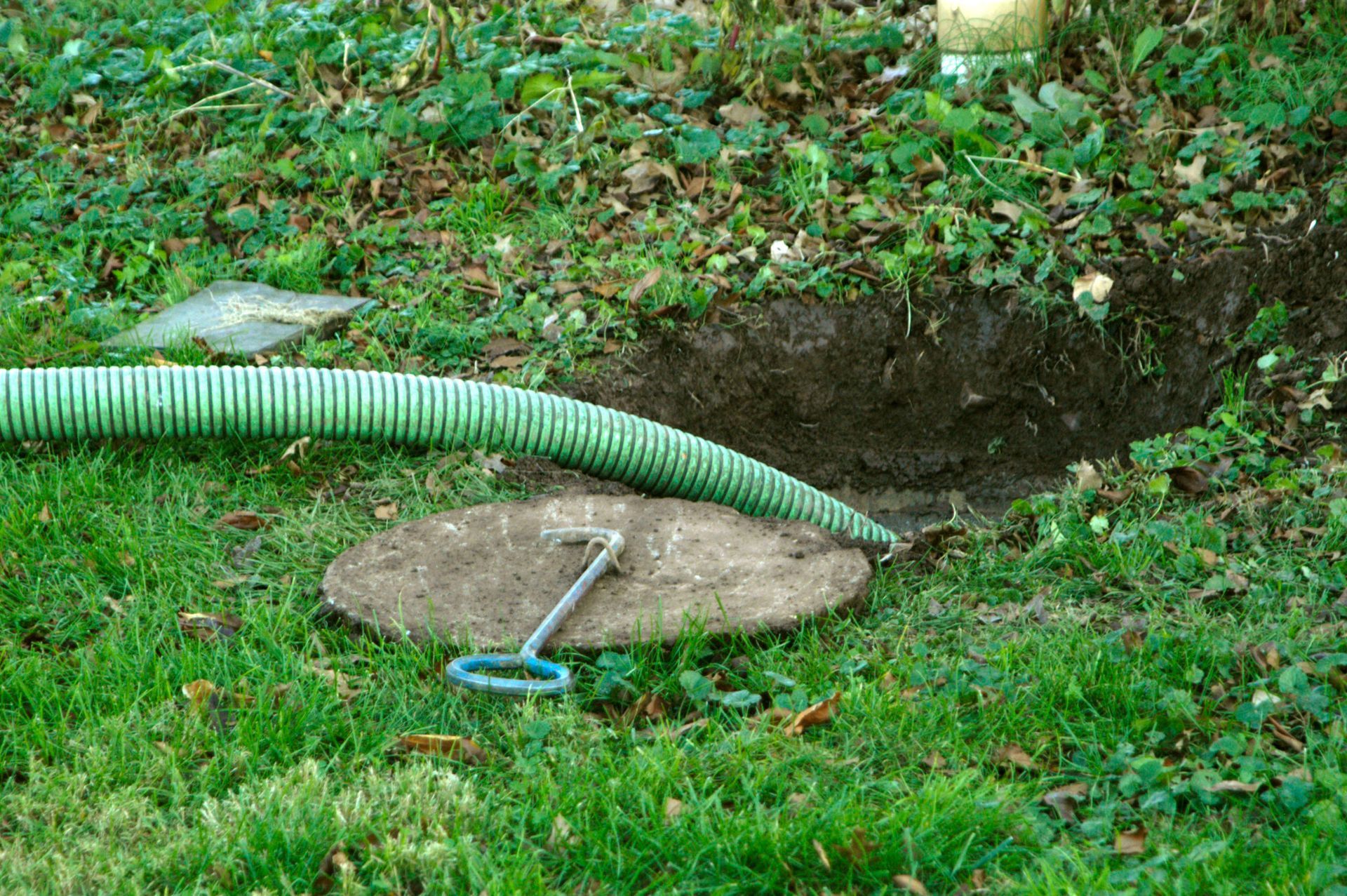
The drain field, or leach field, is designed to slowly filter clarified liquid effluent back into the natural soil through a network of perforated underground pipes. When a tank is neglected, solid sludge escapes the main chamber and flows into these delicate lateral pipes, clogging the perforation holes and fabric barriers. Once the soil becomes entirely saturated and the pipes can no longer discharge liquid downward, the wastewater has nowhere to go but straight up to the surface. Discovering actual standing puddles, mud, or soft spots in your yard means the filtration field is actively failing due to excessive solid waste migration. At this advanced stage of neglect, a thorough septic system cleaning must be executed immediately alongside a professional inspection to determine if the drain field can be saved or if it requires a total, expensive reconstruction.
Confronting Raw Sewage Backing Up Into Lower Level Drains
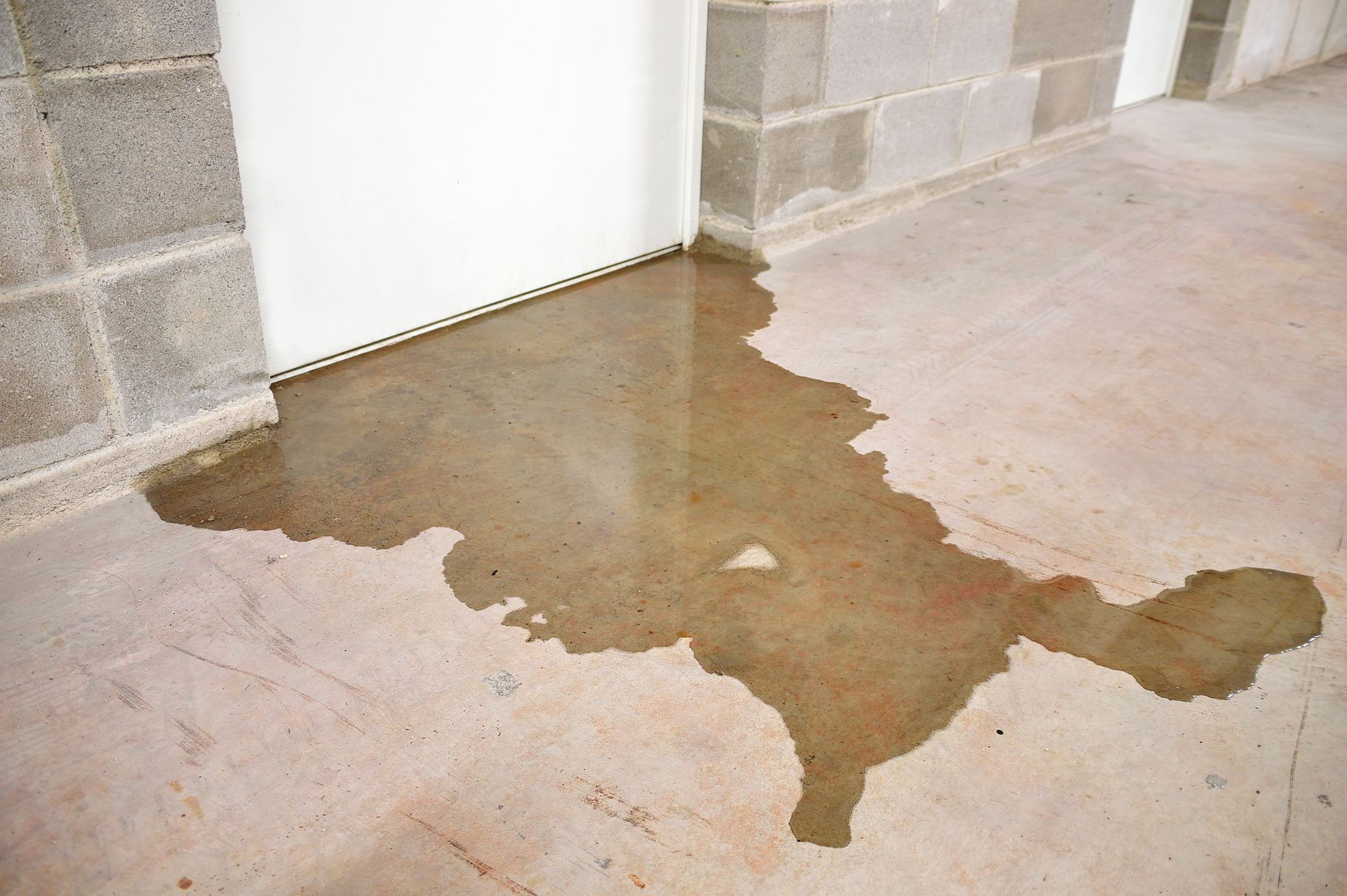
The most severe, costly, and hazardous sign of a neglected waste system is the physical backup of raw sewage into your home's lowest plumbing fixtures. When the subterranean tank is completely packed with solid sludge, incoming waste has nowhere to go and will flow back up your main waste line. This usually manifests first as dark, foul-smelling water bubbling up through basement floor drains, standing shower stalls, or low-level toilet bowls. This situation constitutes a legitimate biological emergency, as raw sewage contains dangerous pathogens, bacteria, and viruses that contaminate your living space and ruin flooring, drywall, and personal property.
Monitoring Household Growth and Increased Water Demand
Sometimes, the need for accelerated maintenance is driven simply by significant lifestyle changes and an unexpected increase in daily water volume inside the house. If you have recently welcomed a new baby, invited extended family members to move in, or completed a major home expansion, your historic maintenance timeline is no longer accurate. More people mean more showers, extra loads of laundry, and frequent use of the garbage disposal, all of which accelerate the accumulation of solids at the bottom of the tank. Proactively scheduling a preventative septic system cleaning after experiencing a permanent increase in household occupancy helps your infrastructure adapt to the new, heavier operational demands without failing.
Maintaining a healthy residential waste system requires an ongoing commitment to observing the subtle physical and acoustic warnings your property provides. Recognizing these critical signs early allows you to schedule routine pumping before minor structural strain transforms into an expensive, hazardous biological backup. By prioritizing consistent maintenance, you ensure that your home remains a clean, safe, and fully functional environment for your family for decades to come. If you want to learn more about septic cleaning, contact Reliable Septic & Services today!


Share On: