What to Expect During a Septic Pumping Service
If your property relies on a septic system, regular maintenance is part of protecting your home, your yard, and your long-term investment. One of the most important services in that maintenance cycle is septic tank pumping. While many homeowners know it needs to be done periodically, fewer people understand what actually happens during the appointment or why each step matters. Knowing what to expect can make the process feel far more straightforward and help you plan around the service with confidence.
Septic systems quietly handle wastewater day after day, breaking down solids and allowing treated water to disperse safely into the soil. Over time, however, solids naturally accumulate in the tank and must be removed to keep the system operating as intended. According to the 2025 Report Card for America's Infrastructure from the American Society of Civil Engineers, more than 66 million Americans rely on on-site wastewater systems like septic systems, which highlights how common and essential proper septic care really is. In this article, you'll learn exactly what happens before, during, and after a septic tank pumping visit, along with how this service supports the overall health and longevity of your system.
Schedule and Pre-Service Preparation
The process begins before the pumping truck ever arrives at your property. During scheduling, the service provider typically gathers basic information about your system, including tank size, approximate location, and the date of the last pumping. Homeowners may also be asked about any recent warning signs, such as slow drains, unpleasant odors, gurgling sounds, or standing water near the drain field.
Pre-service preparation is usually simple and does not require extensive effort. The most important step is making sure the septic tank area is accessible. This may involve moving vehicles, clearing outdoor furniture, or temporarily relocating items such as grills or play equipment. Clear access allows technicians to position their truck safely and operate the pumping equipment efficiently.
If the tank lid is buried, homeowners may choose to mark or uncover it ahead of time, although many providers are equipped with tools to locate buried lids. Pets are often kept indoors or secured away from the work area during the visit, which helps maintain a safe and calm environment while work is underway.
Locate and Access the Septic Tank
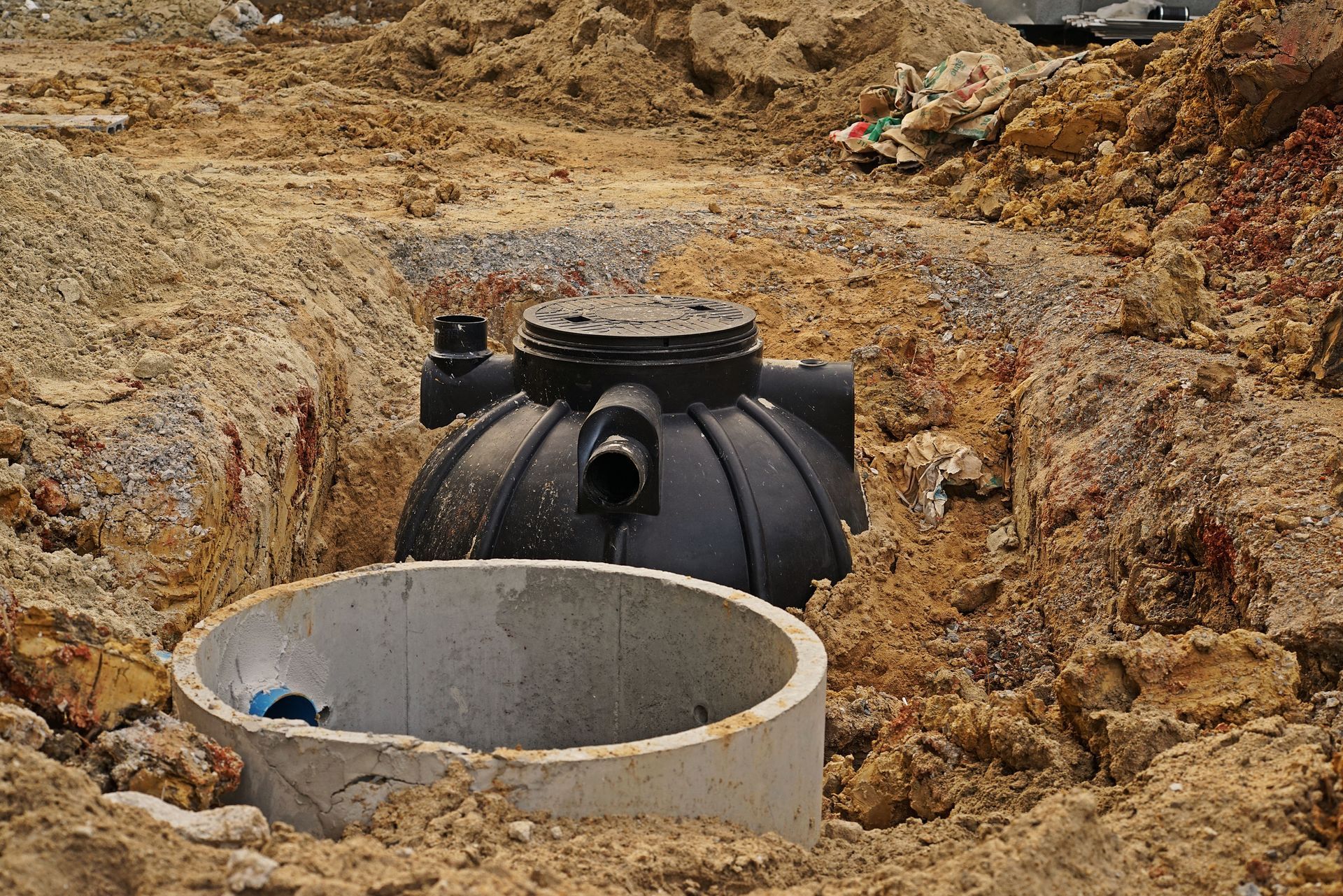
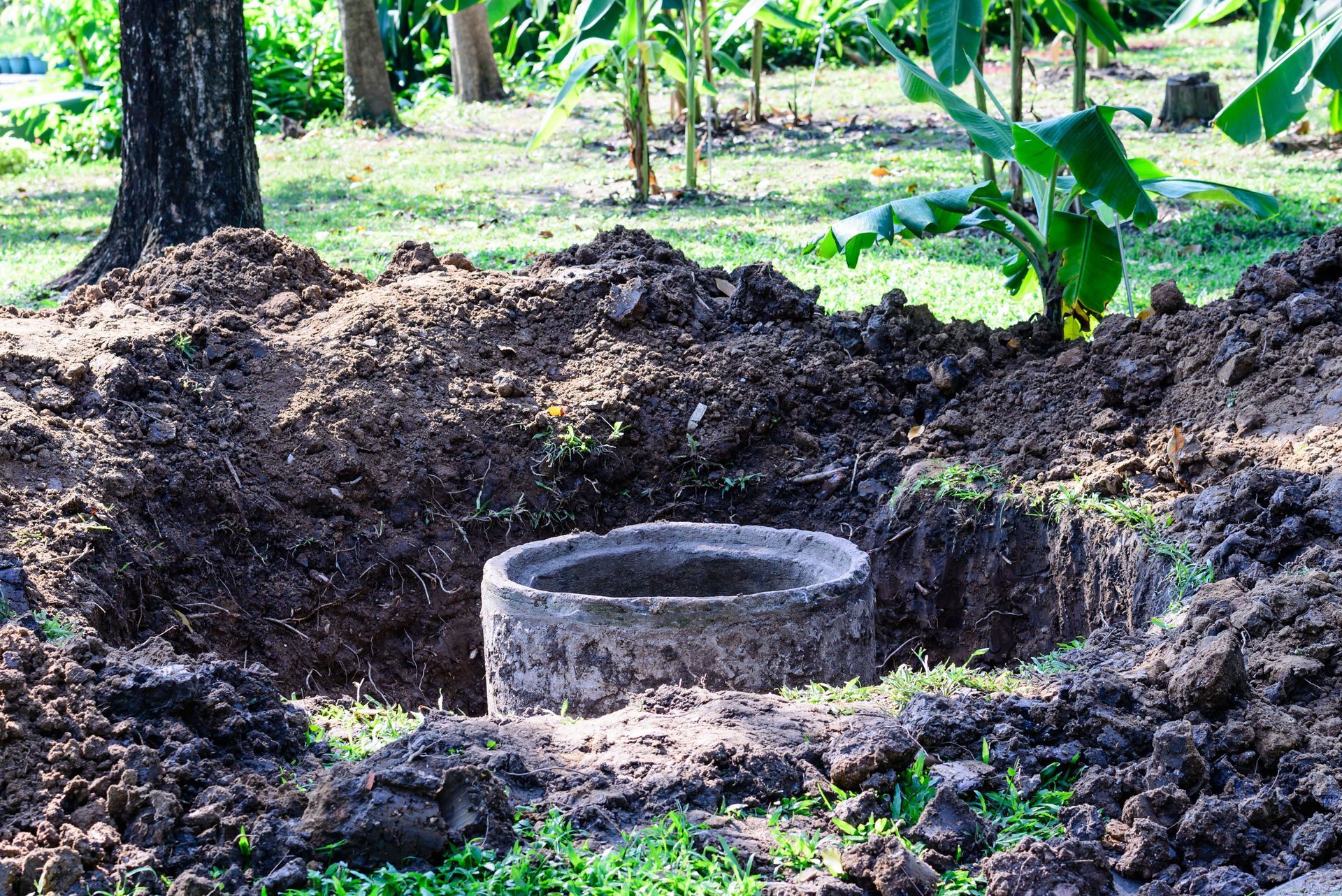
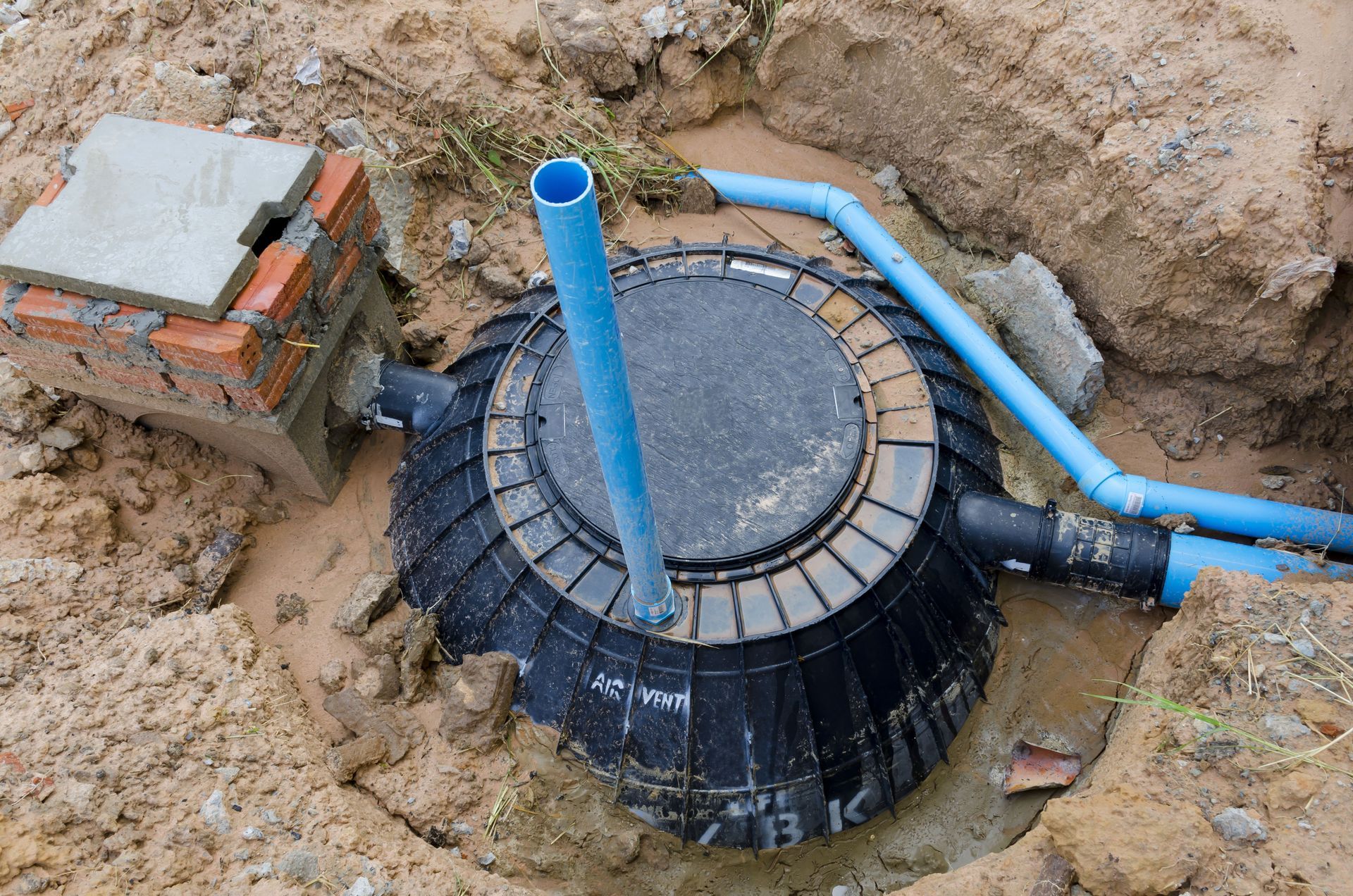
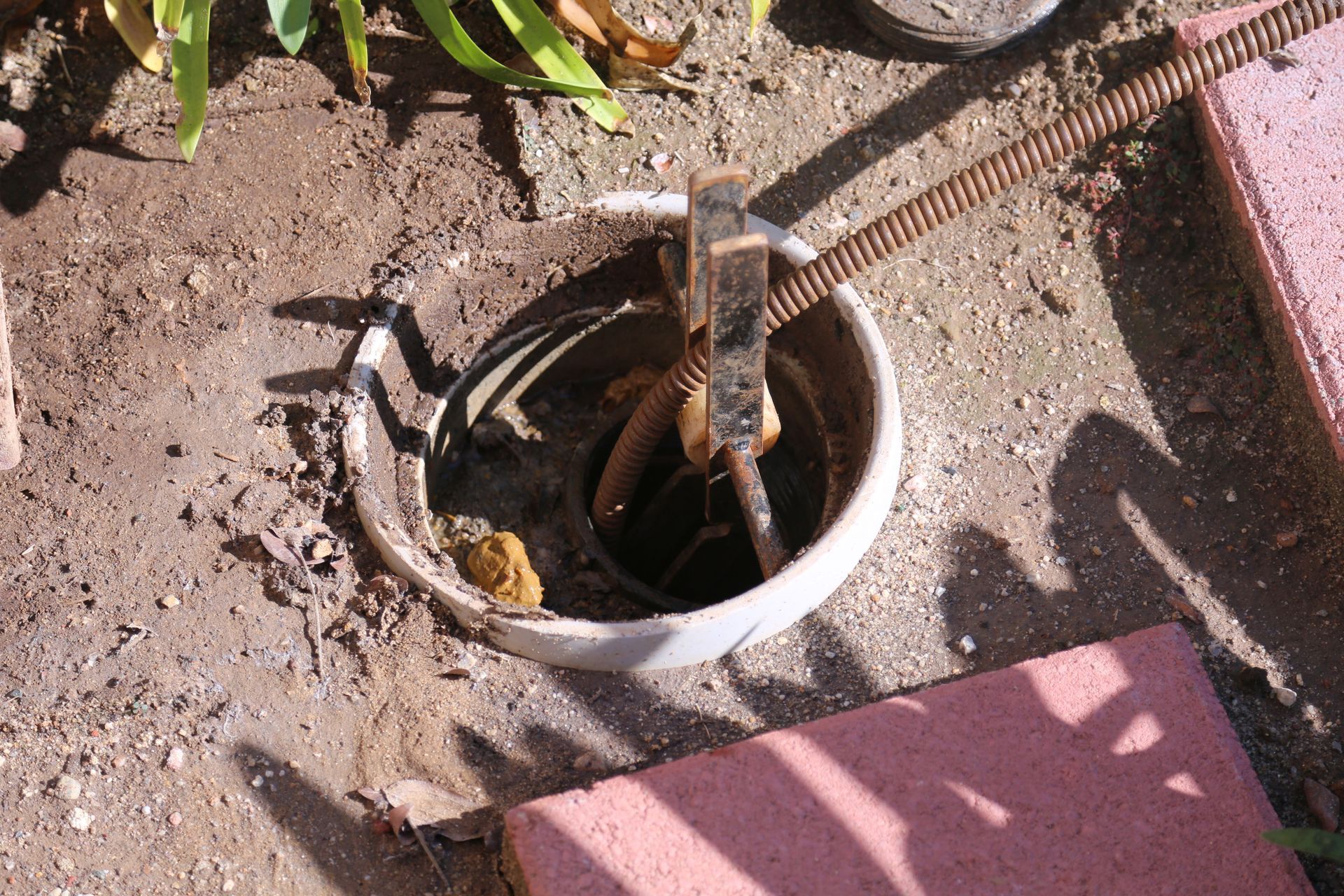
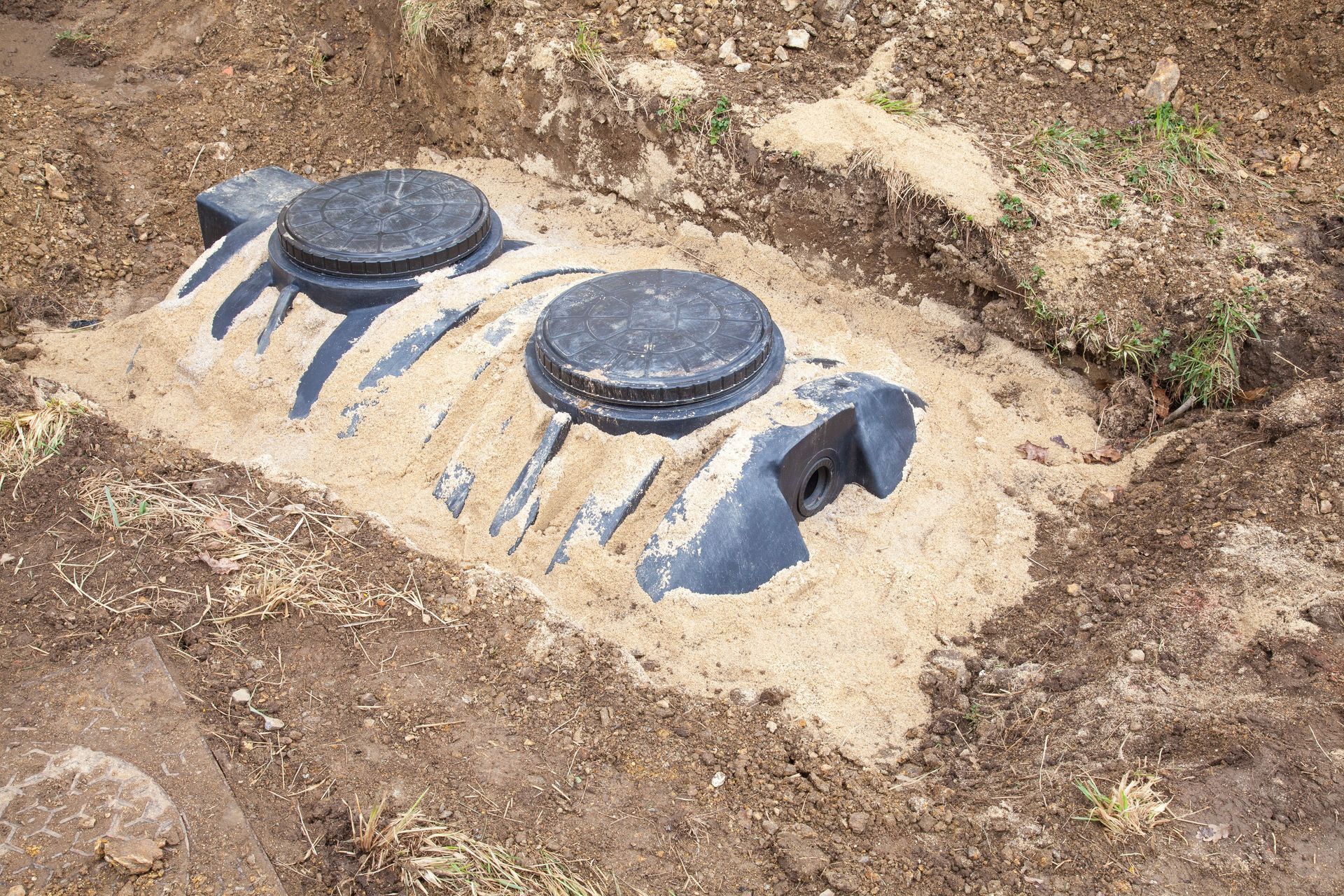
Once the crew arrives, the first on-site task is locating the septic tank and identifying the access points. On some properties, risers extend the access lid close to ground level, making this step quick and straightforward. On older systems, however, lids may be buried beneath several inches of soil, grass, or landscaping.
Technicians carefully uncover the access ports while taking steps to limit disruption to the yard. Soil is typically removed in a controlled manner and set aside for replacement once the service is complete. Opening the tank allows the crew to safely evaluate the contents and confirm that the tank is ready for pumping.
This initial access step is important not only for pumping but also for gaining insight into the tank's general condition. A visual check of the liquid level, scum layer, and sludge depth helps technicians determine how full the tank is and whether the pumping interval has been appropriate for the household's usage.
Inspect Tank Levels and Condition
Before pumping begins, the technician usually measures sludge and scum levels inside the tank. These measurements provide valuable information about how efficiently the system has been processing waste and how quickly solids have accumulated. If sludge levels are higher than expected, it may indicate heavy water usage or that pumping intervals should be adjusted.
In addition to checking waste levels, the technician may visually inspect internal components such as inlet and outlet baffles, tees, or effluent filters. These parts play a critical role in directing wastewater flow and preventing solids from entering the drain field. Although septic pumping focuses on waste removal rather than repairs, identifying worn or damaged components early can help homeowners plan for future service needs.
This inspection phase often offers useful insight into system performance trends. Over time, technicians may notice patterns related to household size, appliance usage, or seasonal fluctuations, all of which can influence maintenance recommendations.
Begin Septic Pumping Process
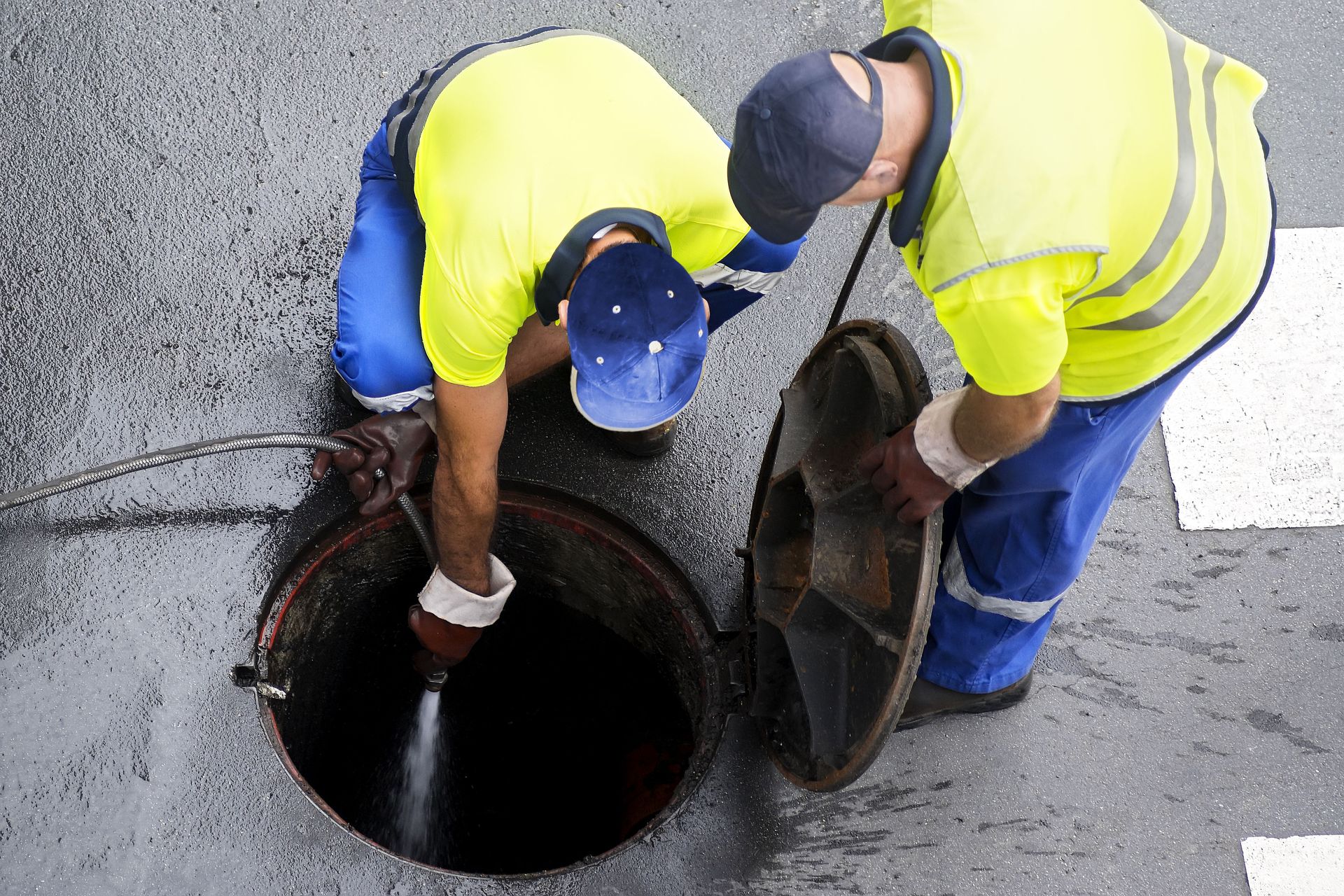
Once the inspection is complete, the pumping process begins. A large vacuum hose is inserted into the tank, and powerful equipment removes liquid and solid waste. This process gradually empties the tank, pulling out accumulated sludge and floating scum that would otherwise continue to build up.
Based on our experience, pumping typically takes anywhere from 20 minutes to an hour, depending on tank size and the amount of material present. Throughout the process, technicians monitor the flow to make sure waste is being removed evenly and safely. This careful approach helps protect the tank structure and connected components.
Septic tank pumping is designed to remove waste without disturbing the tank's integrity. Contrary to common misconceptions, the process does not damage the system when performed by trained professionals. Instead, it restores the tank's capacity, allowing it to resume normal operation once refilled with wastewater.
Monitor During Waste Removal
As the tank empties, additional details about its condition may become visible. Technicians watch closely for signs of cracks, corrosion, or structural wear that could compromise system performance. Root intrusion, shifting soil, or aging materials may also be observed during this stage.
While pumping does not address these concerns directly, identifying them early allows homeowners to explore solutions before problems escalate. In some cases, recommendations may involve monitoring the issue over time, while in others, follow-up service may be suggested.
Technicians also observe how wastewater enters and exits the tank. Proper flow indicates that upstream plumbing and downstream drainage are functioning as expected. Any unusual behavior, such as slow refilling or lingering odors, is noted and discussed with the homeowner after pumping is complete.
Final Checks Before Closing the Tank
Once pumping is finished, the technician conducts final checks inside the tank. In some cases, a light rinse may be performed to remove remaining residue and confirm that the tank has been thoroughly emptied. Internal components are reviewed again, and effluent filters are cleaned if the system includes them.
After these steps, the access lids are securely replaced to maintain safety and system integrity. If soil or turf was removed to reach the tank, it is typically returned and leveled to restore the area's appearance. The goal is to leave the property safe, stable, and as close to its original condition as possible.
Technicians also confirm that all equipment has been removed and that the work area is clear before departing. This attention to detail helps provide peace of mind that the service has been completed properly.
Septic tank pumping is not just a routine task but a key part of responsible property care. By removing accumulated solids and restoring tank capacity, pumping helps protect the drain field, reduce stress on system components, and support safe wastewater treatment. Over time, consistent maintenance contributes to fewer disruptions and more predictable system performance.
Staying informed and proactive with septic care supports both household comfort and environmental safety. If it has been a while since your last service or you are noticing signs of buildup, now is a good time to take action. Reach out to Reliable Septic & Services today to schedule your septic tank pumping service and keep your system operating smoothly for years to come.

Share On: