Signs Your Home Needs Septic Services: What Every Homeowner Should Watch For
A septic system is a critical part of many households, and maintaining it is crucial for home safety and functionality. Failure to service a septic system in time could lead to severe damage, posing both financial and health risks. The significance of early detection of septic system problems can't be overstated, as it not only saves money but also ensures the longevity and efficiency of the home environment. Many homeowners, however, remain unaware of the basic signs of a failing septic system. This article explores key signs that indicate when your home may need septic services, ensuring you catch problems early and avoid costly repairs.
Detecting Foul Odors
Unpleasant odors in your bathroom can be a sign that your septic system needs septic services. The smell of sewage is often associated with a full septic tank or clogged pipes. If you notice any foul odors emanating from your bathroom, it may be time for a septic inspection. Regularly checking for such issues can prevent more significant problems down the line. Ensuring timely maintenance is essential for keeping your home environment pleasant and safe.
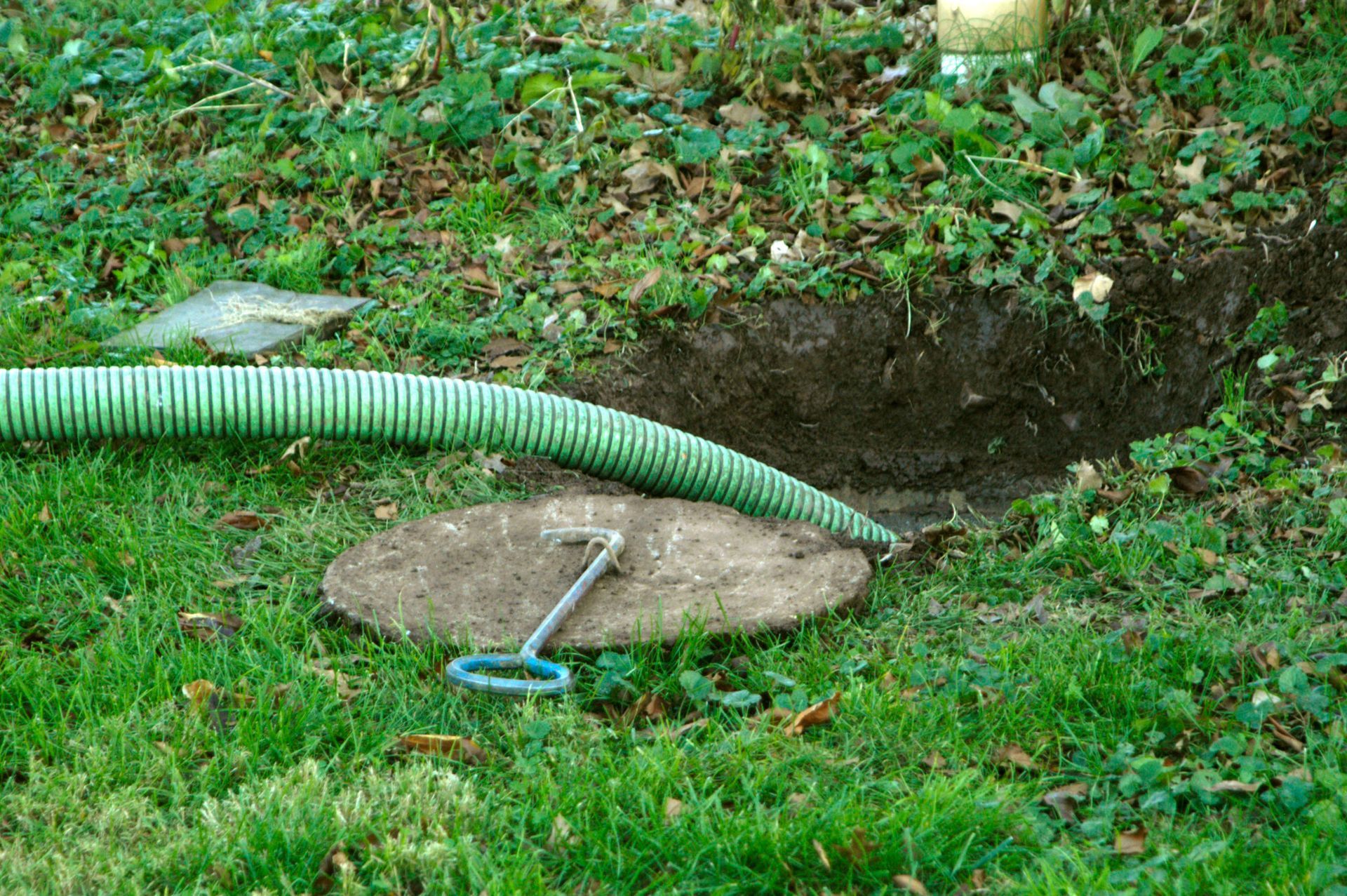
Having persistent sewage odors in your yard indicates a potential leak or overflow from your septic system. This can result from saturated grounds, which may not adequately absorb waste due to a full or malfunctioning tank. Sometimes, these odors are accompanied by visible signs such as raw sewage or lush grass patches over the drain field. Immediate attention and professional diagnosis are necessary to prevent environmental contamination. Regular pumping and maintenance can significantly reduce the chances of encountering such unpleasant surprises.
Odors coming from the drains are also a typical sign of septic issues. They may suggest that the septic system is full or that there's a blockage preventing waste from flowing correctly. When you notice this problem, it's essential to compare it with normal septic functioning. Early intervention can help avoid major system breakdowns and ensure continued system efficiency. Contacting a septic professional for a routine check may provide a clear assessment of the situation.
Understanding the causes of septic odors helps in timely interventions and solutions. Usually, these odors arise because the waste isn't breaking down efficiently due to biological or mechanical failures. Increased water usage or introducing non-biodegradable items into the septic system can exacerbate such issues. Professional septic services often provide solutions such as aeration or bacterial treatments to remedy these problems.
Identifying Slow Drains and Flushing Issues
Slow-draining sinks and toilets may indicate an issue with your septic system. While many might dismiss this as a temporary inconvenience, it often signals an underlying problem. This situation is generally due to a blockage or a full septic tank preventing proper waste flow. Constant slow drainage should prompt homeowners to consider a septic service inspection. Proactive servicing and diagnosis can help identify the root cause before serious damage occurs.
It's crucial to differentiate between simple drain clogs and more severe septic issues. While clogs may occur due to accumulated debris in pipes, septic problems are more systemic, often linked to a full or malfunctioning tank. Proper identification ensures that appropriate measures are taken to address the specific issue. If a drain clog persists despite standard clearing methods, it might be time to look into the septic system. Consulting with experts can help distinguish these problems correctly.
Toilet flushing difficulties often signify septic system challenges. If flushing becomes inconsistent or weak, it could be a sign that the septic tank is nearing capacity. These issues not only inconvenience daily activities but also raise concerns about potential backups. Identifying this problem early allows for necessary measures to be taken before it escalates. Household routines benefit from prompt actions to clear these septic obstructions.
Addressing drainage issues requires a balance of temporary fixes and long-term solutions. While homeowners might use unclogging agents as a quick remedy, recurring problems indicate a need for professional septic services. Long-term solutions involve routine maintenance and septic inspection. According to Today's Homeowner, the average household needs to pump its septic tank every three to five years, depending on usage and tank size. This preventive approach minimizes the recurrence of such problems.
Spotting Unusual Wet Areas in Your Yard
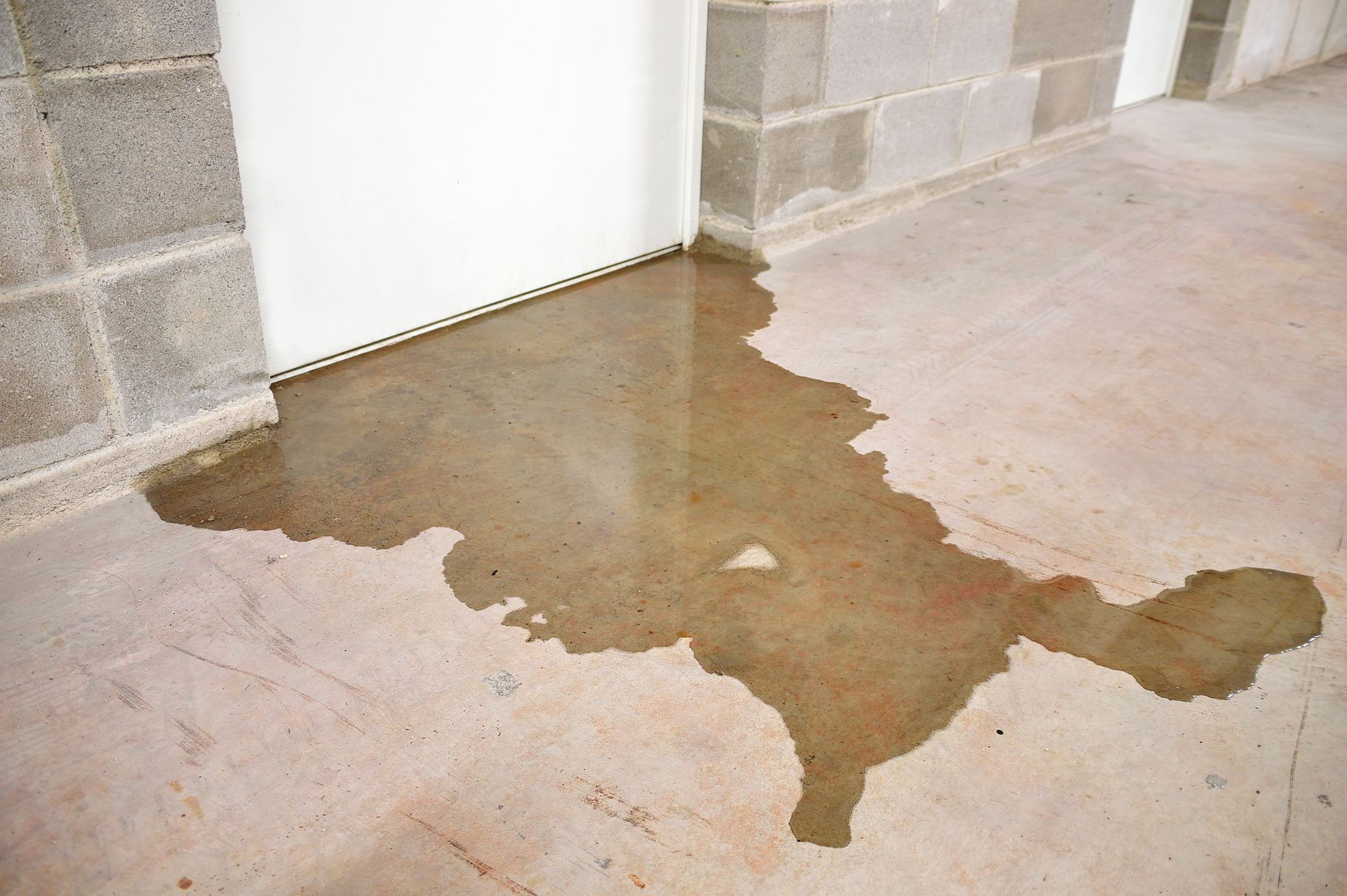
Unusual wet areas in your yard can be an early sign of septic trouble. These spots may appear even during dry weather, signaling a leak or overflow in the septic system. Identifying unexpected water pools or continuously damp spots requires observation and may necessitate immediate professional attention for septic services. Such conditions could result in environmental hazards and property damage if left unchecked. A quick response to detecting these signs helps prevent further complications.
A thorough assessment of potential leak locations is vital in diagnosing septic system failures. Leak points often occur around the septic tank or drain field, but can also be found in unexpected areas. Homeowners should regularly inspect their yards for tell-tale signs, such as unusually lush grass or sudden water saturation. Evaluation by a septic professional ensures that leaks are pinpointed accurately. This helps in implementing targeted repair strategies effectively.
Seasonal changes can impact septic system efficiency and need to be considered in maintenance routines. Rainy seasons may exacerbate groundwater saturation, affecting the drain field’s ability to absorb waste effectively. Dry seasons might reveal other structural issues as the soil contracts, exposing leaks or weak points in the system. Maintaining awareness of how seasonal variations affect septic efficacy enables homeowners to implement preventative measures. Scheduled professional checks can ensure the system adapts to these seasonal fluxes.
Noticing Frequent Backups
Frequent backups in the home usually indicate a troubled septic system. Common causes include clogs in the system, full tanks, or improper system functioning. These backups not only create inconvenience but also pose potential health risks. Homeowners should consider septic services if they notice recurring backups, as it hints at more profound systemic issues. Prompt action will help avoid broader system failure and potential contamination of living areas.
The health risks associated with backups can be severe. Exposure to sewage containing harmful bacteria poses significant health threats to inhabitants. Prolonged exposure can lead to respiratory irritation, skin conditions, and other health issues. Prevention through regular inspections and early intervention is paramount. Ensuring a clean, healthy living environment relies on addressing septic problems swiftly and effectively.
Backups occurring across multiple fixtures often point to broader septic issues. When several areas exhibit backup symptoms simultaneously, it signifies a systemic blockage or a full septic tank. Identifying this pattern ensures that nuanced problems aren't dismissed as isolated incidents. Instead, it highlights a need for comprehensive evaluation by septic professionals. Coordinated inspections address the systemic nature of such problems, offering effective resolutions.
Timely engagement with a septic professional for septic services can mitigate backup incidents effectively. Frequent disruptions in drainage or persistent backups should serve as cues to seek professional help. Certified experts provide insights into specific system problems and suggest appropriate solutions. Regular inspections and adherence to maintenance schedules ensure the longevity and efficiency of system mechanisms. Proactive communication with professionals fosters confidence and sustains an up-to-date septic environment.
Regular septic services for maintenance and awareness of your septic system's condition can prevent severe issues. Identifying potential problems before they escalate not only preserves the home environment but also minimizes financial burdens associated with significant septic failures. Being proactive by recognizing these signs ensures your home's safety, environmental preservation, and potentially saves thousands in repair costs. Homeowners should consider frequent system checks by certified professionals to uphold functionality and efficiency. Reach out to Reliable Septic & Services to learn more today.



Share On: